



Warning: this report mentions self-harm.
More than half of Indigenous young people are experiencing a high level of psychological distress, according to a nationwide study of youth mental health.
3,000 people aged 12-25 from all backgrounds responded to the survey by mental health foundation Headspace.
59 per cent of First Nations young people surveyed reported 'high or very high' levels of distress in 2025.
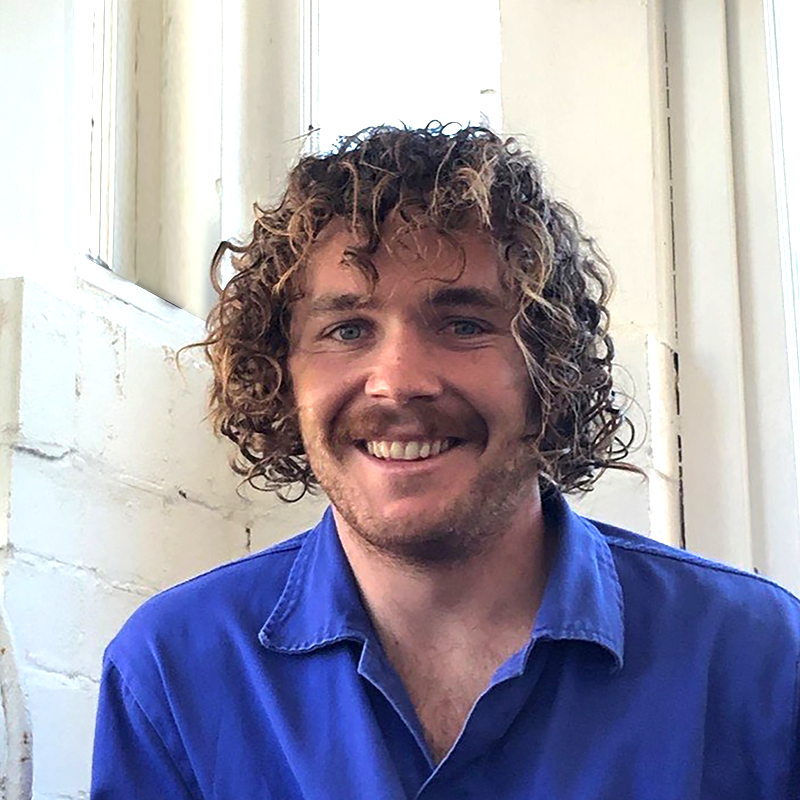
25-year-old Wiradjuri person Ley Laupama knows the challenges personally.
Ley has lived experience with mental health challenges from childhood through to young adulthood.
In 2021 they spent time in hospital through a severe period of psychosis, they told National Indigenous Times.
They were diagnosed neurodivergent in recent years.
"So I've struggled with that throughout my childhood till now, but I have a lot of therapy, a lot of counselling to help with that and to accommodate my needs," they said.
Ley is a member of Headspace's First Nations Youth Advisory Council.
Headspace uses a 10-item psychological distress scale measuring depressive symptoms and anxiety experienced over the previous four weeks of respondents.
The K-10 scale has four defined mental health categories: very high, high, moderate and low distress.
For Ley, hearing more than half of the First Nations young people surveyed fell into the very high and high range was confronting.
"It honestly makes me so sad…to hear that my mob and my people around the country are going through such severe mental health (challenges)," they said.
"And not only that, in a kind of cynical way, it's believable. I can understand why it's happening."
From the ongoing impacts of colonisation, generational trauma - including Stolen Generations, "it makes sense why this is happening, and the stats are so drastic" they said.
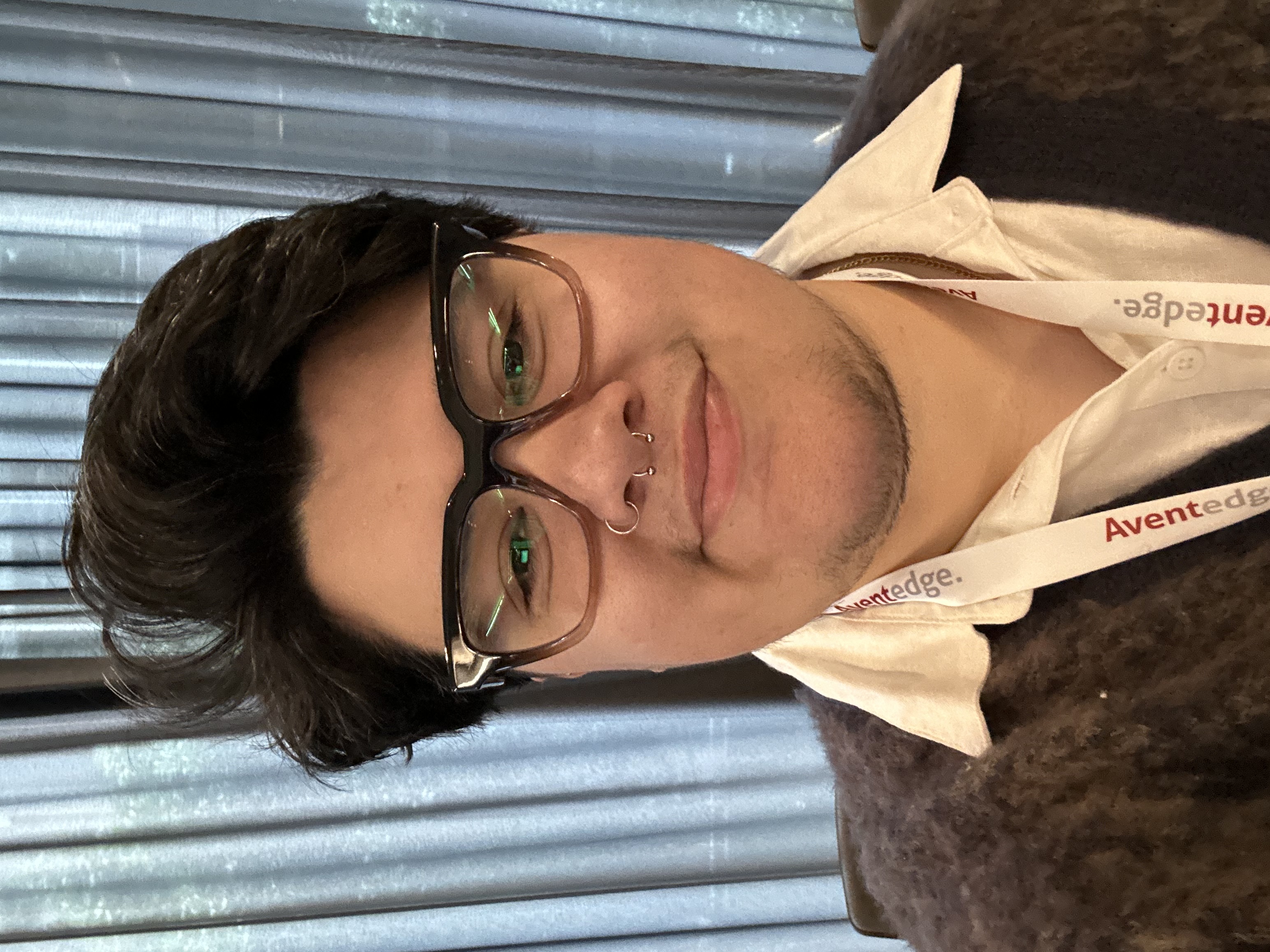
Jacara Egan wasn't surprised by the findings either.
"Not in the times we're living in at the moment, for all young people, from my perspective, but especially for our First Nations young people," she said.
Ms Egan is First Nations cultural practice and engagement head of operations at Headspace.
She highlighted cost of living and climate anxiety as frequent concerns raised in a separate survey conducted by the organisation.
In regional and remote areas, where it's more likely Indigenous people are living on or close to Country - particularly in the Torres Strait and Tiwi Islands, the future of the climate and their home, those anxieties are amplified, Ms Egan said.
Food security, experiences of racism, including that faced within the health system, are among other factors.
Still, people are seeking help to look after their mental health and wellbeing.
Headspace is working to provide culturally safe, positive and effective environments for them to do so.
"Even though 59 per cent of our young people are experiencing those higher levels of distress, more of our young people are seeking help," Ms Egan said.
"That's encouraging for us.
"So yes, (it's) concerning that a large amount of our young people and family are going through that experience…we are encouraged that people are choosing us, choosing Headspace, feeling like it's a safe choice for them to come and seek mental health care and well being support.
"We also know that First Nations families are feeling really confident in talking to their young people about their mental health and putting in strategies to support them to work through some of those more distressing moments and stressful moments."
Broadly, Headspace's National Youth mental health survey found young people's willingness to speak to someone about their mental health has increased since 2022 - notably among 12-17 year olds.
Of respondents who's mental health was improving, around half pointed to increased accessibility to support services.
Around a third cited greater acceptance of diversity, as well as stigma around mental health decreasing.
Early, and barrier-free access to care is essential, Ms Egan added.
Suicide remains a leading cause for Indigenous Australia, and Indigenous young people are an age group.
"It's absolutely essential to getting to people and being available to people early in their experience, so that we're not getting to the acute end and not getting to really kind of tragic outcomes," she said.
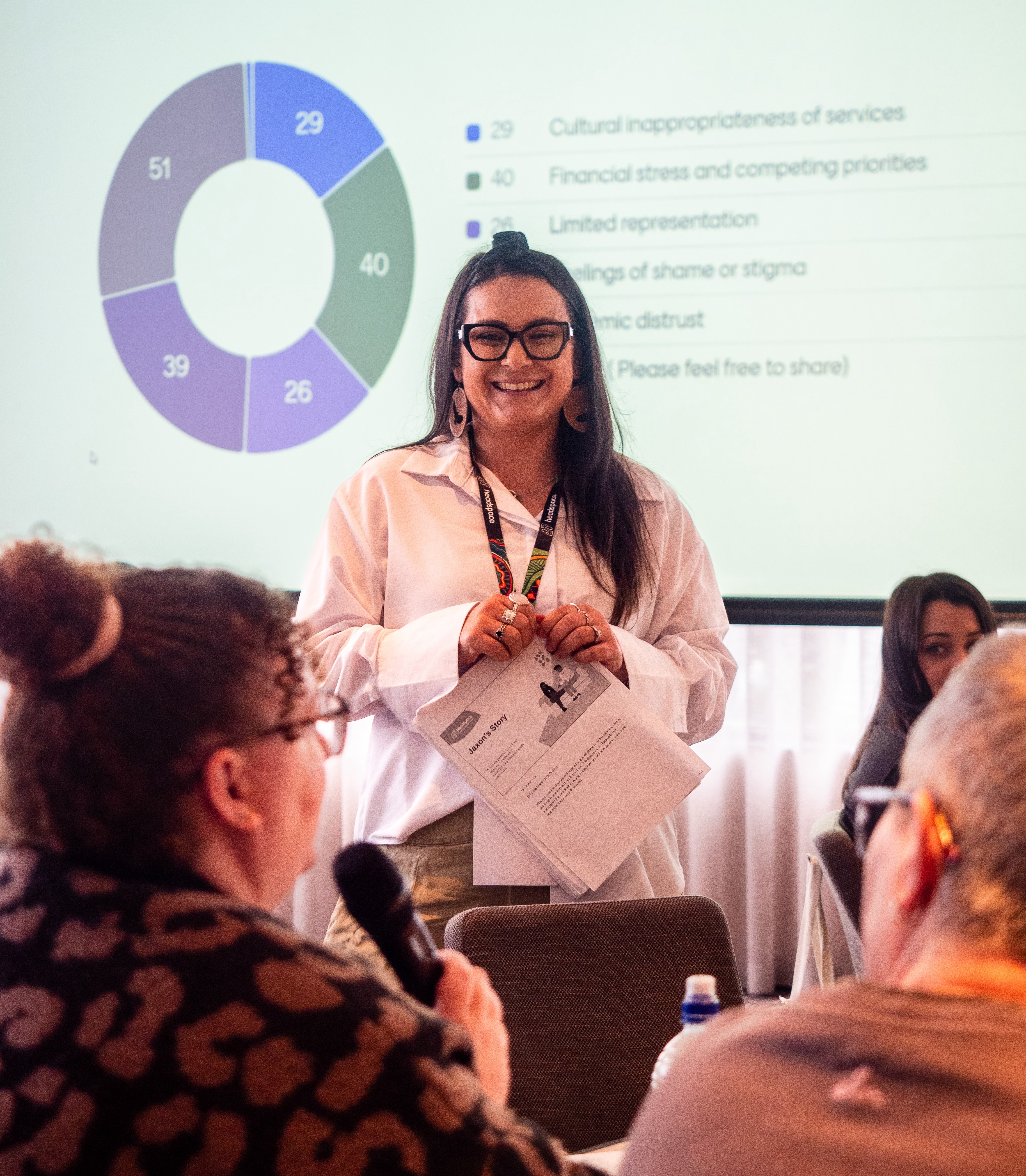
Those barriers can be any from limited availability of culturally safe services to transport getting there.
Young people broadly are also feeling the pressure of social media and their sense of self, Headspace chief executive Jason Trethowan said.
He reiterated the stresses brought by climate change, and cases of family and domestic violence in the home are common challenges faced.
Mr Trethowan acknowledged Indigenous communities, Elders and leaders are best placed to be decision-makers and leading the work in their communities, to go along with support services.
It's also important young people are speaking for themselves and being heard about what they need, and how they're feeling.
In Headspace's First Nations Youth Advisory Group, young people are backed to inform the organisation's policy and direction going forward, he said.
Ley told National Indigenous Times that for a long time, voices like theirs haven't been heard.
"Most of the time we're not in these rooms and not having our voices heard. Most of the time people go 'You're young. You don't understand, you don't get it'. No, take me seriously. I know what I need. I know what my people need as well," they said.
"We're in these communities. We live through it. We are the best people to come to to get this information if you want to be able to help."
Overall, their experiences with mental health services have been positive, Ley said.
Though, there's still room for improvement.
"Our culture, our spirituality and our communities are the basis of our identity. That needs to be taken in a holistic view and an approach," Ley said.
"It's not just putting a dot painting in your doctor's office and acknowledging Country. It's going within your communities and actually uplifting them, empowering them as well, to be a part of your servic, so we know that we can trust you and build rapport with you."
13 YARN (13 13 92 76)
Lifeline - 13 11 14
Kids Helpline - 1800 551 800
Headspace - https://headspace.org.au/online-and-phone-support/



