


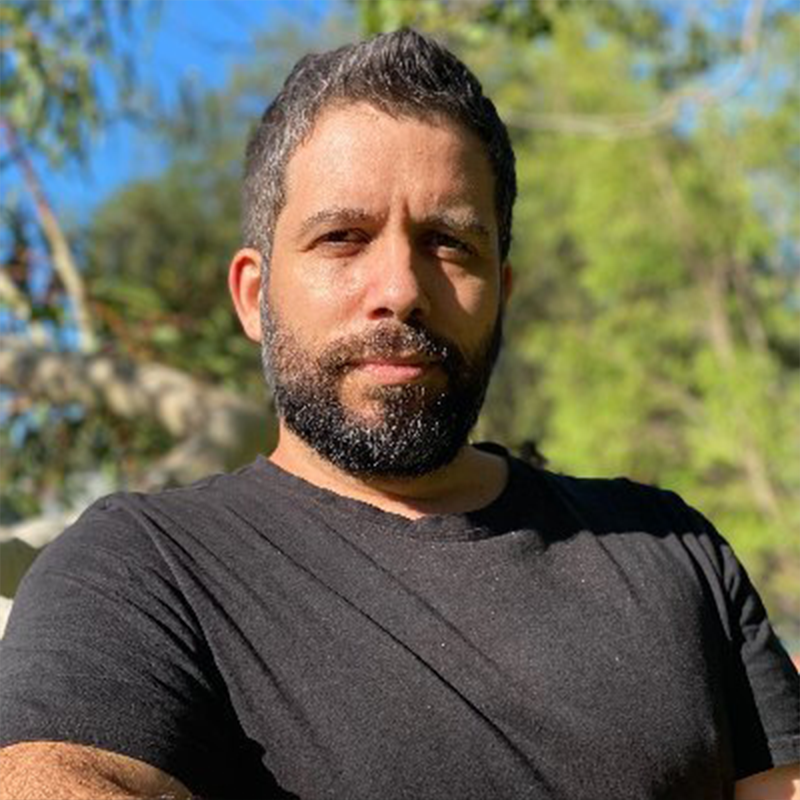

As Kiribati Language Week is celebrated across Aotearoa / New Zealand this week, University of Auckland doctoral candidate Roi Burnett hopes people will look beyond familiar narratives about rising seas and climate change to recognise the depth, richness and resilience of I-Kiribati culture.
For Ms Burnett, language is a vessel for knowledge, identity and cultural practice, carrying generations of wisdom across oceans and through time.
"Language is one of the ways we hold onto who we are," she said. "It carries our stories, our values and the ways we understand the world."
Now in the second year of her PhD in Pacific Studies, Ms Burnett (Beru, Onotoa, I-Matang) recently passed her doctoral confirmation milestone and is preparing for fieldwork in Kiribati. Her research focuses on menstrual experiences and reproductive health, exploring how cultural understandings and language shape the ways menstruation is discussed, understood and experienced in Kiribati.
Over the past year, her research has evolved.
"When we last spoke, I was really wanting to look at menstrual health," she said.
"Now that I've done a lot more reading and talking with people, where I've landed is that I'm really interested in the way how we talk about menstruation influences menstrual health practice."
The work sits at the intersection of health, culture and Indigenous knowledge systems, examining both the challenges and strengths within I-Kiribati society.
"On the one hand, it is taboo, but on the other hand, we have our own practices in Kiribati that celebrate menstruation. It's part of our culture that we celebrate when a girl first gets her period," Ms Burnett explained.
That complexity is what fascinates her.
Rather than viewing culture as a barrier, Ms Burnett's research seeks to understand the nuanced ways cultural knowledge, language and social practice shape women's experiences.
To support the work, she is partnering with a trusted community organisation in Kiribati, Nei Mom Uprising, that began by supporting teenage mothers and has since expanded into reproductive and menstrual health initiatives.
"Working with an already trusted community group that's doing that kind of work is a really good way to build trust to be able to have conversations like that," she said.
As she prepares to begin interviews and community engagement, Ms Burnett says the prospect she is most looking forward to is simple: listening.
"Honestly, just talking to people. I think that's the most exciting part about research - when you actually co-produce knowledge with knowledge holders and experts. You learn so much through the process."
Ms Burnett's journey into academia has been shaped by both sides of her family.
Her mother, Takeua, will accompany her during fieldwork, playing a crucial role in helping facilitate conversations with elders and navigating cultural protocols around discussing reproductive health.
In many settings, Ms Burnett explained, it can be difficult for younger, unmarried women to discuss such topics with older generations.
"I'll be bringing my mum with me to do my fieldwork," she said.
"When you're talking about reproductive health, it can be a little bit taboo to talk to a younger woman, especially an unmarried younger woman."
Ms Burnett is quick to acknowledge the expertise her mother brings to the project.
"I told her, 'Mum, you're a researcher now,'" she said.
"She never sees herself as being someone that has a lot of knowledge or expertise. And I'm like, 'No mum, you do.' That knowledge, that skill - that is research."
For Ms Burnett, recognising community knowledge is a vital part of decolonising research and valuing the expertise that exists beyond universities.
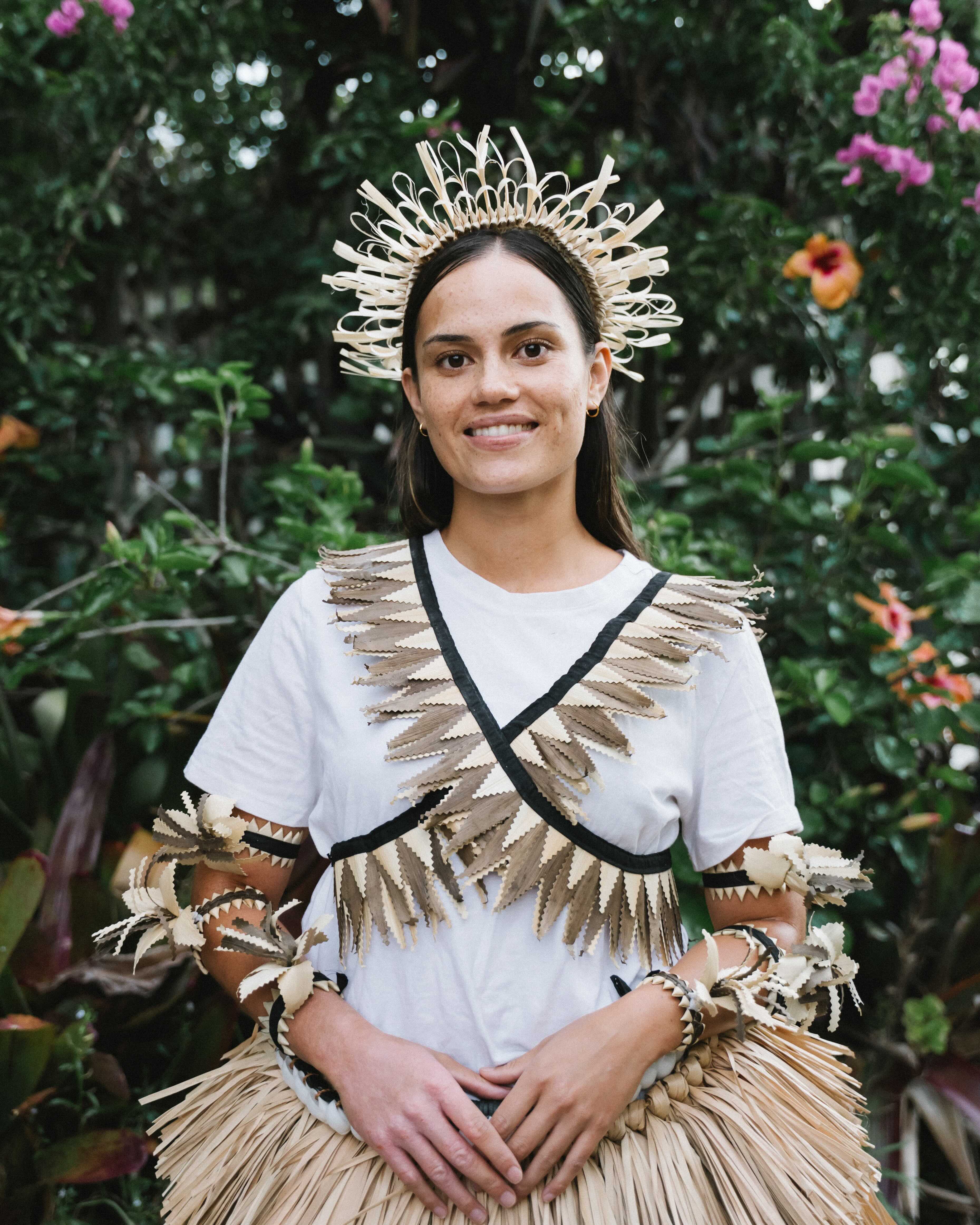
Ms Burnett also credits her father, educator and academic Greg Burnett, with inspiring her own path into research.
"My dad is a big part of my research journey also. It seems I'm following in his footsteps," she said.
"He's an academic and educator, and the only person in our family to have completed a PhD."
Her parents met on her mother's home island of Beru in Kiribati while Greg was working as a high school teacher.
"He really embraced the island lifestyle - learning how to climb coconut trees and cut toddy. He learnt the language and our customs," she said.
"His love for Kiribati and the Pacific inspired me to also pursue research that centres our people and our voices."
Toddy, known in Kiribati as te karewe, is a sweet sap harvested from coconut blossoms and remains an important part of everyday life and culture. It can be consumed fresh, transformed into syrup known as kamaimai, or fermented into kaokioki.
Dr Burnett grew up in Wollongong, Australia, and has spent decades teaching across the Pacific, including in Nauru, Kiribati, Fiji, Aotearoa/New Zealand and Australia. He later completed a doctorate focused on education and now teaches and researches at James Cook University, specialising in Pacific education, culture and social difference.
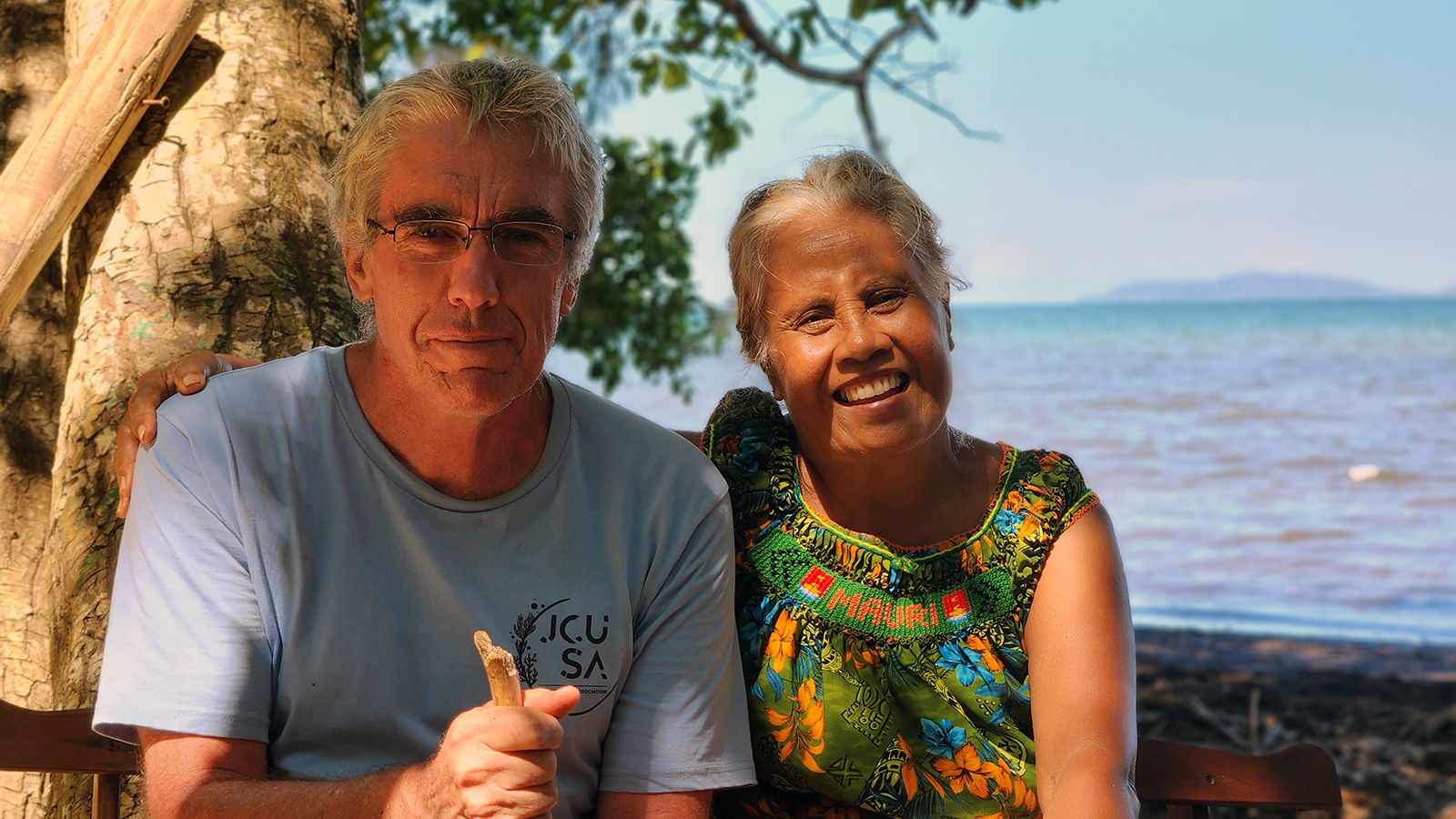
Under the supervision of Professor Yvonne Underhill-Sem and Associate Professor Emalani Case, Ms Burnett believes research should create space for Pacific communities to tell their own stories in their own ways. That commitment feels especially important during Kiribati Language Week.
Too often, she says, discussions about Kiribati focus exclusively on vulnerability and climate impacts. While those issues are real, they are only one part of a much larger story.
Kiribati's language, traditions, knowledge systems and cultural practices continue to thrive across generations and across the Pacific diaspora. For Ms Burnett, protecting and celebrating those forms of knowledge is itself an act of cultural resilience.
As she prepares to return home for fieldwork, she hopes her research will contribute to a deeper understanding of I-Kiribati women's experiences while demonstrating the value of Indigenous knowledge and community expertise.
"When you actually co-produce knowledge with knowledge holders, you learn so much," she said.



