




Three years in, the RISE project - the largest Indigenous-led education evaluation in Australia - has released its 2025 Impact Report, revealing how targeted support is boosting outcomes for Indigenous students.
Launched in 2022 by Aurora Education Foundation in partnership with Paul Ramsay Foundation, RISE is an Australia-first initiative aiming to redefine Indigenous student success through culturally-led and sustainable Indigenous education models. With data measured across 47 partnering schools, RISE has generated one of Australia's largest datasets on what works in Indigenous education.
RISE has been supported by funding from the Paul Ramsay Foundation, the Commonwealth Department of Education, Industry Super Holdings, and the National Indigenous Australians Agency (NIAA), alongside support from several other donors and partners.
To test how different levels of assistance affected outcomes, RISE delivered three program models to 800 Aboriginal and Torres Strait Islander high school students in select NSW partner schools. These models ranged from basic tutoring to intensive in-person support, including academic mentoring, cultural camps, and connections with Elders.
Leila Smith, a proud Wiradjuri woman and Aurora's CEO, reflected on the impact of the initiative.
"We now have the evidence to back what communities have long known, which is that strong relationships, high expectations and systems designed with us can deliver real change," she said.
Although recent years have seen significant improvements in some Indigenous high school education outcomes, they are still markedly below those of the non-Indigenous population.
"Australia's education system continues to fail Indigenous high school students on several important measured outcomes," the 2025 RISE report states.
"There is also a range of education outcomes that matter to Indigenous students and families, such as connection to culture and social wellbeing, but are not systematically measured or considered in the design of education policies, practices and institutions."
The 2025 findings from the report confirm the foundational principle behind RISE: that Indigenous student outcomes can be redefined through tailored, comprehensive support.
Significant improvements were recorded across three key areas: financial aid, attendance and comprehensive support for students and families.
Even modest investment in students drove measurable change, with every $1000 per student every semester linked to a 10% increase in happiness at school and a stronger belief in the value of effort.
Similarly, student attendance increased alongside higher levels of support.
Only 17 per cent of students in the most intensive program wanted to stay home from school at least once or twice a week, compared to 35 per cent in the least intensive program.
Students in the most supported programs also reported stronger feelings of school belonging (47 per cent vs 41 per cent) and confidence in their future (76 per cent vs 59 per cent).
These positive trends were reflected not only in attendance and belonging but also in how students engaged with available academic support. such as tutoring.
Students in higher-need areas, particularly at schools with fewer RISE programs, made the most use of tutoring support, especially in mathematics. Motivation also played a role, with more driven students engaging more frequently.
Year 10 Indigenous students stood out, accessing more than twice as much tutoring as those in other year levels.
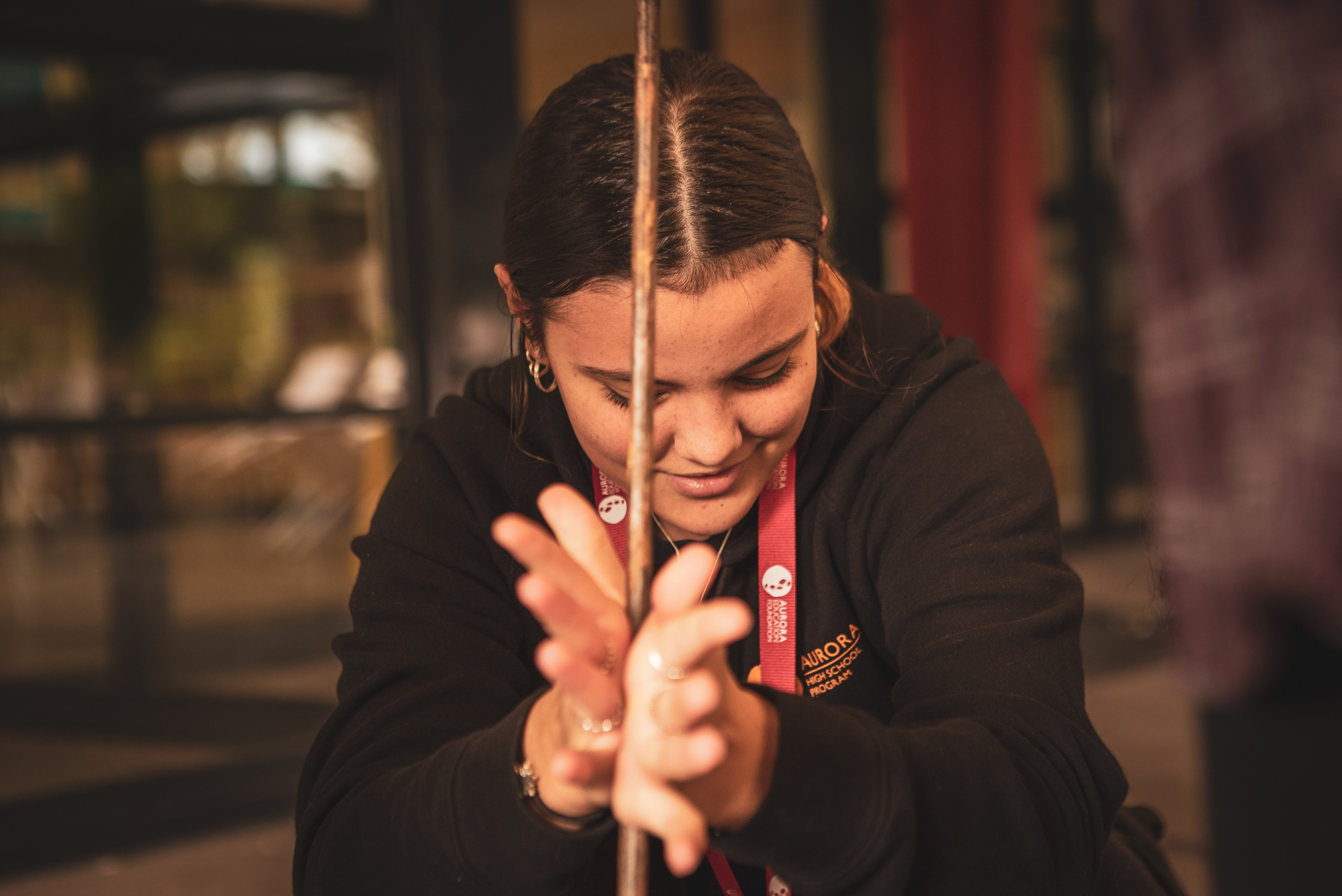
Parents and carers also reported greater confidence as program support increased. Engagement with student academics and schools rose from 53 per cent to 75 per cent with more intensive support, showing the necessity of support for communities, not just the students.
"RISE has changed Emiliah's life for the better. Her grades have gone up, her attendance has improved, and she's a lot more confident with public speaking," said one parent in the Report.
"Emiliah is more engaged and feels more confident to ask questions in class. She's now coming first in her classes," they continued.
Reflecting on the stories of success from RISE, Ms Smith said:
"Every student's story in this data is shaped not just by what happens in classrooms but also by family, culture, and the drive to create something better."
She added that the 2025 RISE Report is both a call to action and proof of what culturally responsive support can achieve.
"This year's RISE Report shows what's possible when Indigenous students and families are heard, valued and supported. Targeted, culturally grounded support works," she said.
"RISE is more than a study. It's an act of self-determination and a challenge to the education system: to expect Indigenous excellence and enable it."
More information about the RISE project is available online.



