



Advocates have criticised the Northern Territory and Queensland governments for refusing to meet United Nations officials during their visits to youth detention centres.
It marks the second time in less than 12 months that the Northern Territory Government has blocked a UN delegation from inspecting detention facilities.
The UN Special Rapporteur on the rights of Indigenous Peoples, Albert K. Barum, is in Australia conducting visits to Canberra, Adelaide, Broome, Darwin, the Torres Strait Islands, Townsville and Sydney.
However, in a statement, the UN said Mr Barum "expressed regret that meetings with Government officials in Darwin, the Torres Strait and Townsville, and visits to youth detention centres in Holtze and Cleveland, will not take place due to refusal by [the] state governments of [the] Northern Territory and Queensland to engage with the mandate".
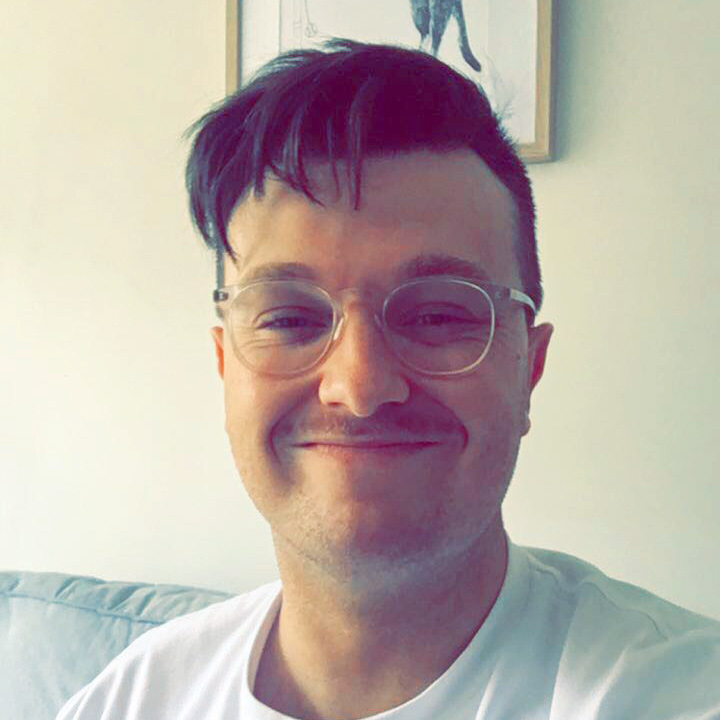
In response, Indigenous Rights Advisor at Amnesty International Australia, Rodney Dillon, said governments should be opening their doors to inspection.
"We should be opening our doors to international scrutiny, not shutting them."
The Palawa Elder said it was "deeply disappointing" that UN inspectors weren't allowed into the places of detention, particularly in the wake of reports of abuse and ill-treatment of prisoners.
"We've already documented children being locked in prolonged isolation and subjected to cruel and degrading treatment that falls well below international human rights standards," he said. "We know what is happening to our kids, and we know these systems are failing them."
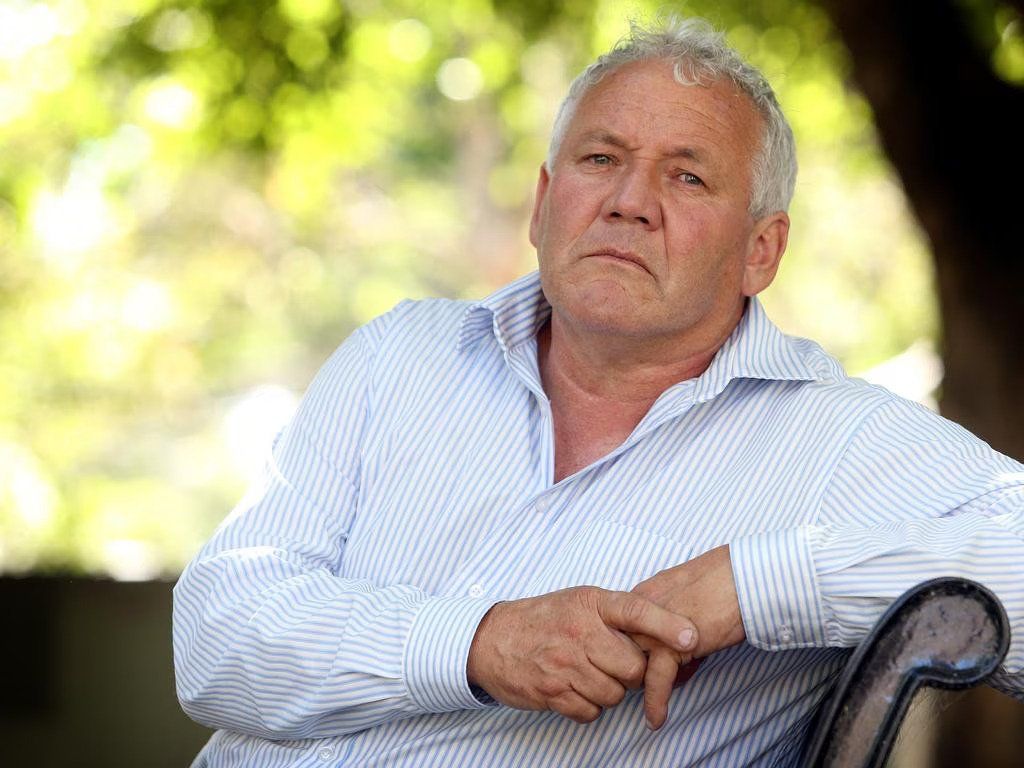
Writing on social media, Steven Caruana, the ACT's National Preventive Mechanism Coordinator for the Commonwealth Ombudsman, said, "Yet again, a UN representative is denied access to places of detention on an upcoming official country visit to Australia."
"This time to youth detention centres in QLD and the NT. The UN Working Group on Arbitrary Detention were denied access to places they had planned to visit in the NT and WA in 2025, and before that, the UN Subcommittee on Prevention of Torture in QLD and NSW in 2022."
Last year, the United Nations Working Group on Arbitrary Detention was denied access to all government-run facilities in the Territory while attempting to assess Australia's compliance with international standards on the "deprivation of liberty".
The NT Government defended the decision, arguing the UN's request could not be approved due to "operational capacity, safety and workforce resourcing priorities".
It came less than a month after then-acting ombudsman Bronwyn Haack called for all inmates held in NT watch houses to be removed "as a matter of urgency" and argued that nobody should be subject to the conditions currently seen in the facilities.
In response, Senator Lidia Thorpe said at the time: "We've all seen the images of people locked in filthy, overcrowded cells in the NT."
"Across this country, children are being isolated for long periods, bound and hooded, women are shackled during childbirth, and people, including children, keep dying in custody."
In Queensland, recent bail laws have continued to put pressure on the prison system, a situation acknowledged by Premier David Crisafulli during last month's Press Club address.
In March, the Queensland Police Union (QPU) lodged a formal complaint with the state's workplace watchdog, citing severe overcrowding and unsafe staffing levels inside watch houses. Meanwhile, in 2025, the Inspector of Detention Services highlighted issues at the Cleveland Youth Detention Centre, including instances of inmates having to urinate in a drain when their requests to use a bathroom went unanswered.
"Our children deserve protection, dignity and justice," Mr Dillon said.
"The Northern Territory and Queensland governments must reverse their decisions and allow the Special Rapporteur full access to these facilities.
"Australia cannot claim to uphold human rights while refusing to be held accountable for them, and both the Queensland and Northern Territory governments must face repercussions."



