




The Federal Government must respond to Queensland's new bail laws, the peak body for Indigenous legal services says, arguing that more children will be locked up for longer under the latest reforms.
On Friday, Queensland's LNP Government passed its latest tranche of bail laws, known as "Breach Bail Go to Jail", with the support of Labor. Under the reforms, offenders — including children — who commit serious offences while on bail face a mandatory minimum one-year prison sentence.
Courts and police will also be required to refuse bail unless they are satisfied, to a high degree of confidence, that the individual will not reoffend.
Not for the first time, a Queensland government will override the Human Rights Act to implement the laws.
"Faced with the choice of people being able to roam free and maraud and create destruction or, having extra people in a cell, I'll always choose the safety of Queenslanders," Premier David Crisafulli told the state's press club last month.
In response, the National Aboriginal and Torres Strait Islander Legal Services (NATSILS) said more children would be incarcerated under the reforms, going against key Closing the Gap targets.
Currently, Queensland locks up more Aboriginal and Torres Strait Islander children and young people than any other state or territory.
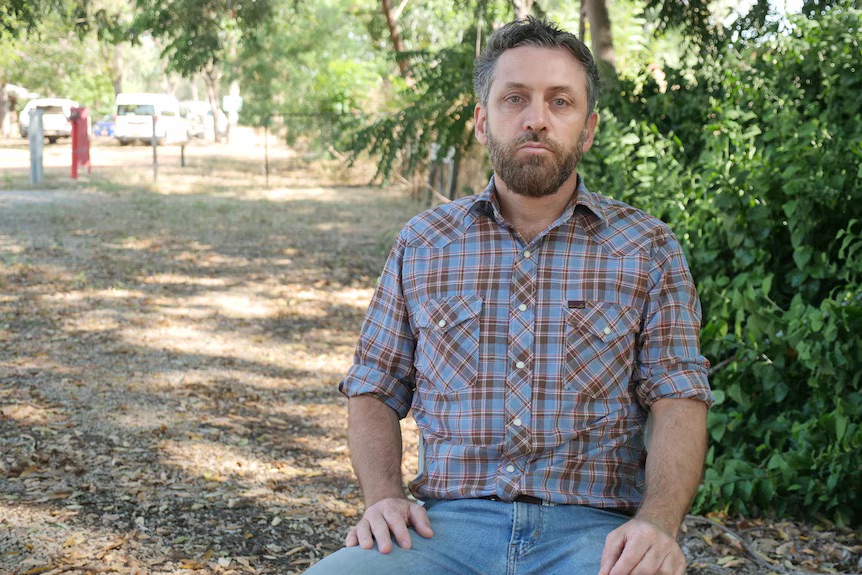
Nick Espie, Executive Director of NATSILS, said the latest laws fly in the face of evidence about what prevents crime. He argued the announcement was purely about votes rather than community safety.
"The evidence is absolutely clear: when a child spends time behind bars, they are more likely to become trapped in ongoing cycles of criminalisation and imprisonment," Mr Espie says.
"Making it easier to lock up children and making it easier to keep them there longer makes the community less safe and hurts children."
More than 250 submissions were made to Parliament on the proposed bail laws, with legal, policing, human rights and medical experts widely criticising the legislation.
The Bar Association of Queensland submitted that the "high degree of confidence" threshold had "no clearly established meaning in criminal law", while others cited the pressures on the already overstretched prison and watch house systems.
Introducing the bill in Parliament in September, Attorney-General Deb Frecklington said the government had listened to victims of crime who had "expressed their grief, pain and loss".
"We have registered their anguish at the fact that repeat offenders are responsible for the majority of youth crime and, what is more, many of these serious offences are committed while on bail," she said. "This must be confronted."
Mr Espie said that if the Queensland Government was serious about reducing crime, it would invest in holistic approaches.
"Governments have a responsibility to keep communities safe, and clearly, we can't rely on the states and territories to do that," he said.
NATSILS called on the Federal Government to speak out, arguing that the Commonwealth has a legal obligation to keep children safe.
"We're urging him to call a national emergency summit on youth justice, so that leaders from all states and territories can come together to listen to the experts about what actually works to make communities safe," Mr Espie said.



