


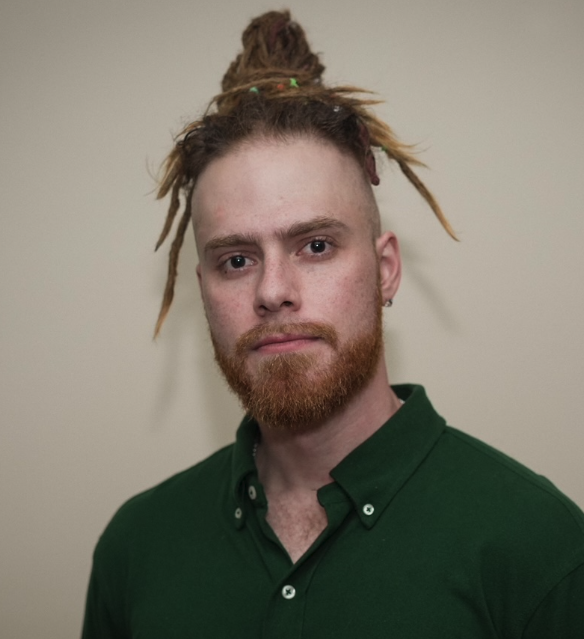

Torres Strait Islander nurse, health leader and academic Dr Ali Drummond has been recognised at the 2026 Queensland University of Technology Outstanding Alumni Awards for his work strengthening the Indigenous nursing and midwifery workforce.
Dr Drummond, a Meriam and Erubam man of Zenadth Kes (Torres Strait) and a Wuthathi man from Far North Queensland, was honoured at a ceremony held at QUT's Gardens Point campus in Brisbane on October 29.
The award recognises his national leadership in improving Aboriginal and Torres Strait Islander representation in healthcare and addressing barriers to culturally safe health services.
Dr Drummond is the Chief Executive Officer of the Congress of Aboriginal and Torres Strait Islander Nurses and Midwives (CATSINaM), the national peak body representing Indigenous nurses, midwives and students.
Through his role, he works with governments, healthcare regulators, universities and professional organisations to strengthen Indigenous participation and influence across Australia's healthcare system.
Originally from Thursday Island, Dr Drummond now lives in Canberra, where he works to ensure First Nations perspectives are represented in national healthcare discussions.
"I come from Thursday Island, but I now live in Canberra because it's important to be here, to be included in important conversations and to elevate the voices of our communities in discussions about what our needs are," he said.
Growing up on Thursday Island alongside seven siblings, Dr Drummond developed an interest in healthcare through his mother, who worked as a Torres Strait Islander health worker.
Her role in supporting the community influenced his decision to pursue nursing.
"Mum was very well respected by the community," Dr Drummond said.
"Looking back, I understand those people respected mum because of the important role she played in delivering healthcare to our community.
"For me, that was an important part of deciding on a career in health."
Dr Drummond began his career delivering primary healthcare and aged care services in the Torres Strait while completing his nursing studies.
His early experiences working with communities helped shape his commitment to improving healthcare through Indigenous leadership.
He later completed a Graduate Certificate in Academic Practice at QUT in 2015 and a PhD in 2023.
Today, much of his work focuses on embedding cultural safety and anti-racism into nursing and midwifery education, regulation and professional practice.
Dr Drummond believes creating culturally safe healthcare environments is essential to supporting both Indigenous healthcare workers and the communities they serve.
"One of the significant roles I play in supporting the next generation of nurses and midwives is providing national leadership in cultural safety and anti-racism within nursing and midwifery," he said.
"It's about creating the right conditions. We work with key institutions, regulators, accreditation bodies and practice areas so they understand what cultural safety truly means and embed it into everything they do."
He identified a lack of trust in healthcare services, linked to historical and ongoing experiences of racism, as one of the major barriers facing Aboriginal and Torres Strait Islander patients.
Dr Drummond warned that improving health outcomes would remain difficult unless Indigenous people felt safe accessing healthcare.
"If we can't connect Aboriginal and Torres Strait Islander people with the services they need because they feel unsafe, there's no way we can get anywhere close to closing the gap," he said.
Despite the challenges involved in influencing national healthcare policy and practice, Dr Drummond remains focused on improving opportunities and outcomes for First Nations communities.
His work involves contributing to national discussions and challenging institutions to address the needs of Aboriginal and Torres Strait Islander people.
"I get to influence a lot of institutions - I sit at a lot of tables providing advice and guidance, and sometimes those conversations are difficult," Dr Drummond said.
"But I persevere because I enjoy the work and because I know that if our communities are going to benefit, someone has to have those hard conversations.
"That's my biggest motivator. I want better opportunities and better outcomes for my community and my family."



