




Concerns continue to be raised about New South Wales Government proposals for Crown Lands in the state, which the state's Land Council peak body says pose a major threat.
Adjusted proposals, following pushback from the Land Rights Network and the New South Wales Land Council (NSWALC, the state peak), were circulated by the state government on June 19.
NSWALC and their network said the July 17 cut-off to respond fell short of adequate time to "consider the amendments and provide responses back". This concern has been acknowledged, and the process has been paused in Parliament.
Alarm regarding the proposals dates back to March, when the changes to the Crown Land Amendment Bill were tabled in the state parliament.
It prompted significant pushback from the New South Wales Aboriginal Land Council and individual land councils, emergency meetings and, eventually, a delay from the government to pursue amendments.
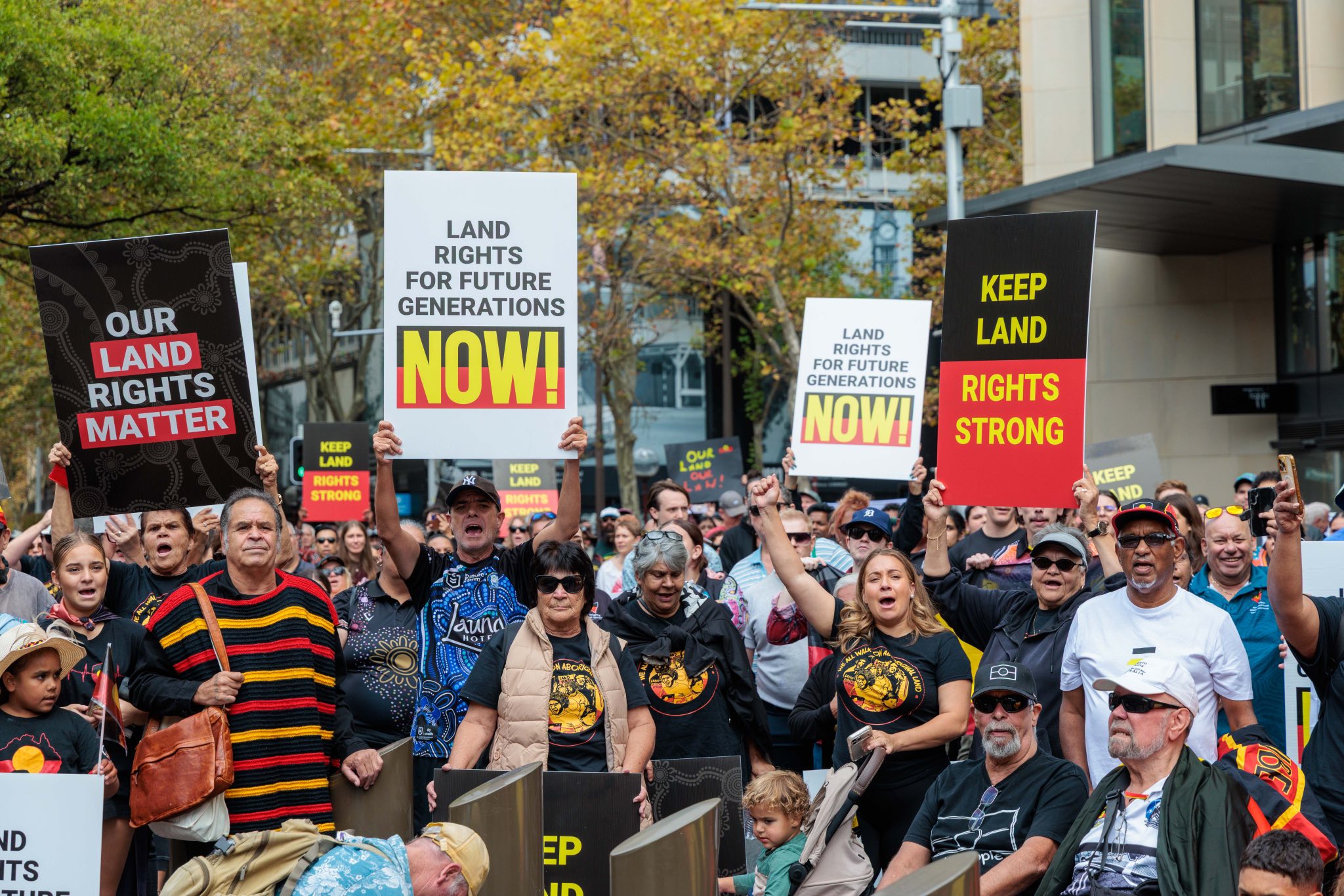
NSWALC's call for more time on refreshed proposals was made on Monday.
A Government Crown Lands representative signalled a commitment to work closely and respectfully with Land Councils, extending the cut-off by a fortnight to July 31.
NSWALC has consistently opposed proposed changes, stating adjustments, they say were tabled without consultation, could "hollow out our Rights in this state forever".
The body acknowledged "unified and sustained advocacy undertaken by NSWALC and the Aboriginal Land Rights Network" which has already delivered them an isolated "win".
They're not entirely behind other proposed changes, however.
"NSWALC acknowledges the proposed amendment to remove one of the most egregious provisions of the Bill (s.5.20B(4)) which provided that a lease alone (without any physical activity on the land) makes land lawfully used. This contravened High Court decisions and allowed the Government to block land claims even where land wasn't used."
Lawful use with leasehold had been central to legal battles regarding a recent successful handover of a site in Sydney to La Perouse Local Aboriginal Land Council.
NSW Minister for Crown Lands Steve Kamper said in March proposed changes were only intended to address "edge cases" in a "broken" Aboriginal Land Claims system.
"The Act was designed as a reparation mechanism, prior to the introduction of Native Title," he said at the time.
"The idea was that if there is Crown Land sitting unused, it should be claimable and provided to the Local Aboriginal Land Council. We stand by this principle.
"The proposed changes we have put forward are there to address edge cases that became claimable due to technical non-compliance, such as an invalid sub-lease."
In addition to the removal of lawful use provisions, the Government is currently welcoming feedback on proposed amendments regarding
In their statement on Monday, NSWALC, in addition to calling for a longer consultation period, made some calls for further amendments.
These are:
1. That any decisions made to validate or change a Crown land holding that may affect Aboriginal land claims can only be made with the concurrence (agreement) of the Minister for Aboriginal Affairs.
2. Where there is an undetermined land claim and before exercising powers to validate or change a Crown land holding, that the Minister must consider whether a community facility, service or activity is already protected through existing laws, planning controls or zoning and whether there are other ways to protect a community facility, service or activity without affecting an Aboriginal land claim.
3. That Aboriginal Land Councils must receive all relevant information during consultation, including copies of any lease or licence and details of the claimed community benefit.
4. That consultation periods must be a minimum of 28 days and not be reduced in regulations.
5. That any land that is validated because it provides a community benefit must remain restricted to that purpose. That decisions to validate Crown land holdings must be made by the Minister and not delegated to another person.
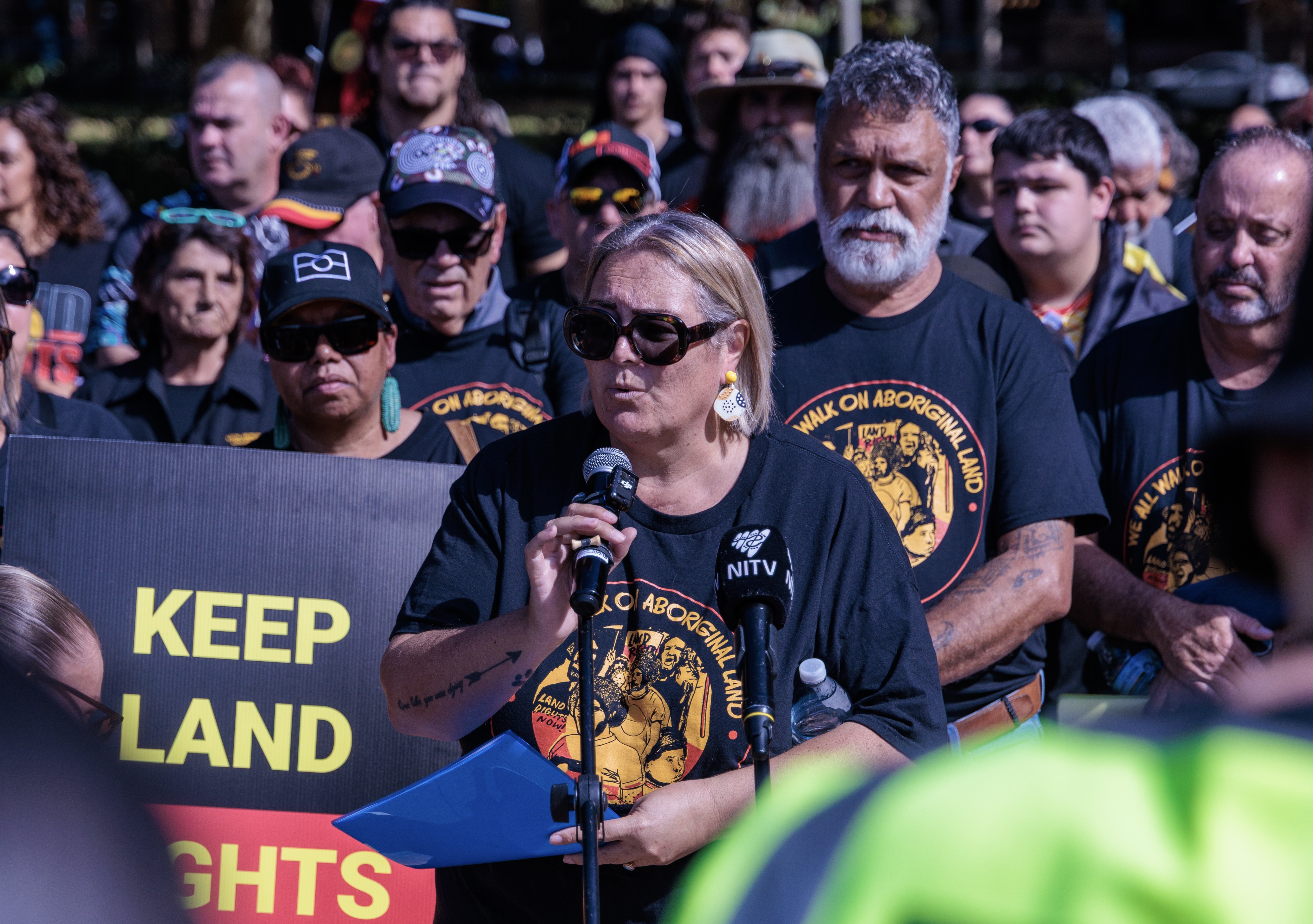
NSWALC Chair Raymond Kelly said after a tireless week of work to consider the state government's proposals, with the support of the Land Rights Network, extra time was needed to consult with 121 Local Aboriginal Land Councils and over 3,000 members across NSW.
Deputy chair Leeanne Hampton added: "Any decisions to validate or alter Crown land affecting Aboriginal land claims needs meaningful consultation with Aboriginal Land Councils, and with full transparency."
The NSW Government said it is seeking Crown Lands legislation where regularly used community assets remain public, while "balancing this with supporting and protecting Aboriginal Land Rights".
The government said feedback is "welcomed on proposed amendments regarding additional decision-making criteria and considerations for Minister decision on validation powers within the bill".
"After receiving feedback on the Bill, the Government decided to pause the process in Parliament to allow further consultation," a Crown Lands spokesperson said this week.
"We are committed to working closely and respectfully with Local Aboriginal Land Councils to ensure there is time to consider the proposals and provide feedback, as such we have extended the consultation period to 31 July.
"The NSW Government will consider all proposed amendments and feedback in good faith."
There have been examples of satisfaction with the Government's proposals. On June 22, Orange Local Aboriginal Land Council said those circulated in the days previous "restore fairness and balance to the Bill".
OLALC had held conversations and arranged sit-downs with the Minister — NSWALC, in response, respecting "the autonomy of every Local Aboriginal Land Council to advocate for their interests", though they advocated for for a unified Network approach.
"Orange was very concerned that the previous version of the Bill would narrow Land Rights by treating leased or licensed abandoned and derelict Crown Land as lawfully used," OLALC chair Jamie Newman said last week
"We're very pleased that the Minister has listened to these concerns so that claims like the one over the disused Paddington Bowls Club site will continue to be lawful."
Orange provided their own suggestions in response to the Government's initial proposed changes, but are now "happy with where the Bill is at", Mr Newman said on June 22.



