




Fears for the future of Aboriginal land rights remain in New South Wales, with state Minister Steve Kamper due to meet with a local land council while the state's peak body calls for a unified approach.
On Friday, Orange LALC issued an invite to Aboriginal Land Council leaders across NSW to meet with the state's Lands Minister later this month to discuss proposed changes to Crown Lands legislation.
A major backlash, protest and a statewide land councils conference saw the The Crown Lands Management Amendment (Statutory Review) Bill 2026 scrapped last month, days after it had been introduced into parliament.
The NSW government had described the proposals as minor changes to address circumstances like 'edge cases' where land had become claimable due to technical non-compliance.
Land council network representatives have however labelled the proposals an "immediate threat" made without consultation which could "erode Land Rights in NSW".
In its wake, Orange LALC sat down with Minister Kamper and offered their proposed changes to the legislation.
The Local Land Council's chair Jaime Newman said they were told by government there are plans to reintroduce the Bill, and an agreement to delay this by four to six weeks was met.
"The Government's proposed changes could severely impact local Aboriginal Land Councils. It's vital the views of our network are understood before the legislation returns to the Parliament," Mr Jaime Newman said on Friday.
"As Land Councils, we can't sit on the sidelines and watch this Bill sail through parliament without having our voices heard. We ask government to listen to our concerns in good faith and work with us to address them."
Orange LALC raised their "strong concerns about the effects of the Bill" for their local region.
"However, we explained to him that Orange could only speak for our own community," Mr Newman said.
"Local Aboriginal Land Councils know what's best for our own communities. We're hosting this forum to ensure local Aboriginal voices are heard at the highest levels of government."
A spokesperson for Minister Kamper told National Indigenous Times Orange Local Aboriginal Land Council "raised concerns around potential consequences of the NSW Government's Bill" at the meeting, and "proposed further engagement with land councils to understand their concerns and how they can be addressed".
"As the Minister previously stated, the NSW Government will take the time to engage with stakeholders including Local Aboriginal Land Councils prior to the Bill being debated in the upper house," the spokesperson said.
National Indigenous Times understands an invitation to the subsequent meeting in Orange has been accepted by the Minister.
The previous and planned sit-downs appear at odds with the preferred approach of the NSW Aboriginal Land Council (NSWALC).
In a Land Rights Network update on Friday afternoon, NSWALC, while respecting "the autonomy of every Local Aboriginal Land Council to advocate for their interests", called for a unified approach.

In that update, NSWALC flagged it was set to host online regional forums starting from April 20, with a demonstration against the Bill at state Parliament scheduled for May 6.
The peak land rights body stated they were aware of an individual land council meeting with Minister Kamper, and an invitation sent to all LALC chief executives and chairs across the state.
NSWALC did not endorse the previous and upcoming meetings.
The first "undermined the campaign against the Bill", NSWALC alleged.
An individual position put forward at this meeting was "contrary to that agreed by delegates at the State-wide Conference", proposed "ineffective and ill-conceived amendments to the Bill" and offered up an opportunity for "for tick-a-box consultation", NSWALC added.
"We respect the autonomy of every Local Aboriginal Land Council to advocate for their interests, but we cannot stand by silently when those actions will detrimentally impact all other Local Aboriginal Land Councils in NSW."
State peak respects individual land council autonomy, but makes 'Call for Unity'
NSWALC Council meetings to consider their ongoing strategy against the bill took place on April 14 and 15.
"The strength and unity of the Land Rights Network succeeded in pausing the progress of the Bill through Parliament to allow the NSW Government to consult on the Bill," NSWALC stated. "But the fight is far from over."
"We know that when our rights come under attack, success relies on our unity. Despite differences, our Network always comes together to fight for our common cause, and that is what is called for now."
In a statement to National Indigenous Times, NSWALC chief executive Clare McHugh pointed to the organisation's continued work with LALC network leadership in efforts to "defeat these provisions" at the regional forums and demonstration at Parliament in May.
"Minister Kamper deceitfully introduced discriminatory amendments into the NSW Parliament without consultation and with the hidden agenda of hollowing out Aboriginal Land Rights," Ms McHugh said.
"We respect the autonomy of all Local Aboriginal Land Councils to represent their communities. However, that authority does not extend to acting on all Local Aboriginal Land Councils' behalf and to proposing amendments that affect all Local Aboriginal Land Councils and all communities, without consultation."
The peak made a 'Call for Unity' across the network.
Minister Kamper's office did not respond to this outlet by time of publication on NSWALC's network update and Ms McHugh's comments.
Roy Ah-See, a former chair of NSWALC and current consultant to Orange LALC, told National Indigenous Times he "couldn't stand by while the organisation I dedicated my life to was driving Land Rights over a cliff", referring to the NSWALC.
"We quickly realised that NSWALC's analysis of the political situation and of Minister Kamper's motivations was deeply flawed and potentially fatal to Land Rights in this state."
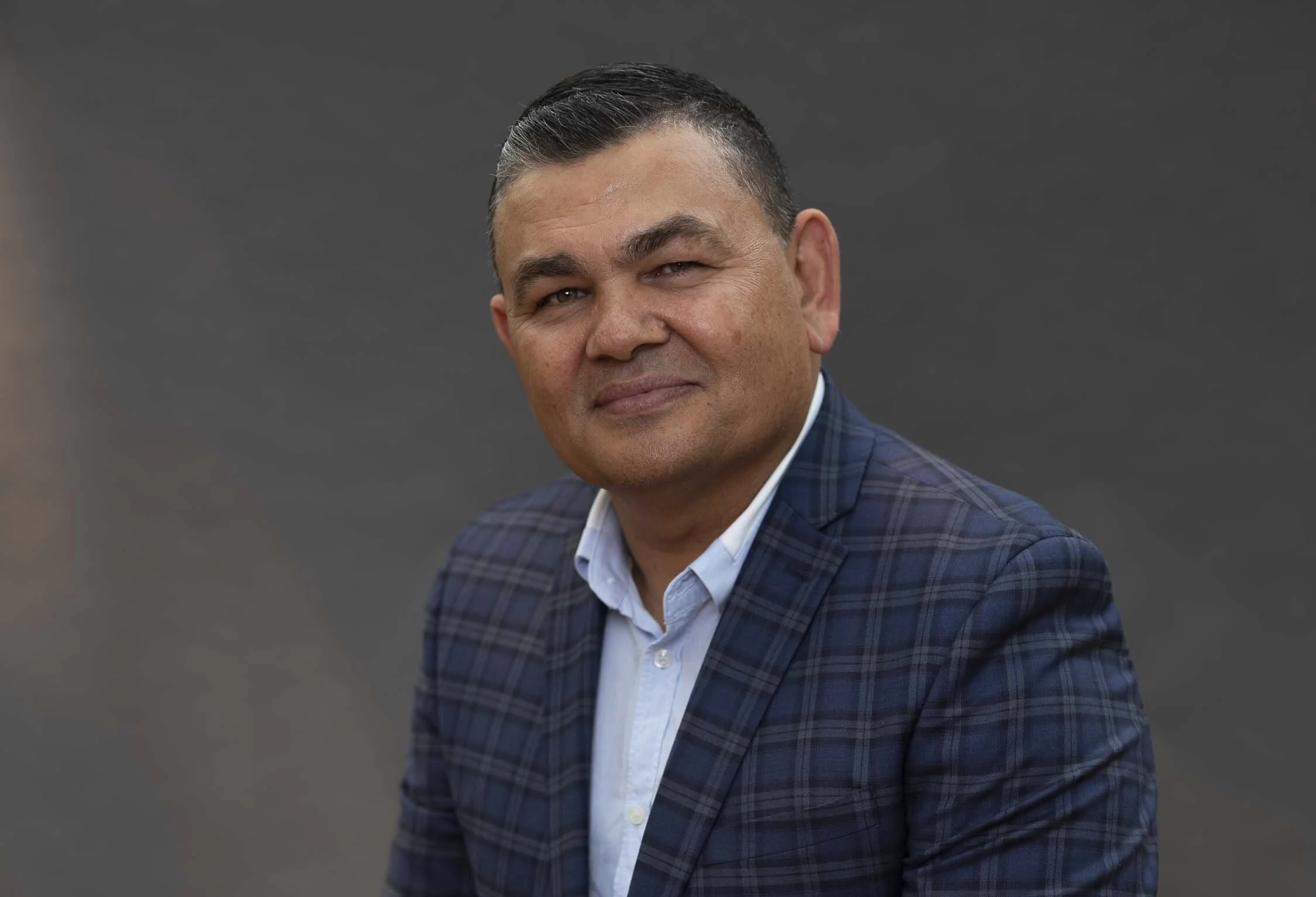
"The government had the numbers and could ram the Bill through with no changes. The only hope was to negotiate a better outcome for Local Aboriginal Land Councils. NSWALC said they would rather protest than negotiate. So Orange had to step up and do both," Mr Ah-See added.
"Our forum will allow all Local Aboriginal Land Councils to communicate their concerns direct with Minister Kamper."
The NSWALC said Mr Ah-See was "entitled to his opinions" but "not entitled ... to negotiate amendments on behalf of the (Land Rights) Network".
"Roy suggests that NSWALC has misinterpreted Minister Kamper's motivations, and yet the Minister himself has admitted in the media that his intended target is Aboriginal Land Rights," Ms McHugh said.



