
Young Indigenous psychology students from some of Australia's most remote communities gathered in Sydney this month for a three-day conference focused on building a culturally informed mental health workforce.
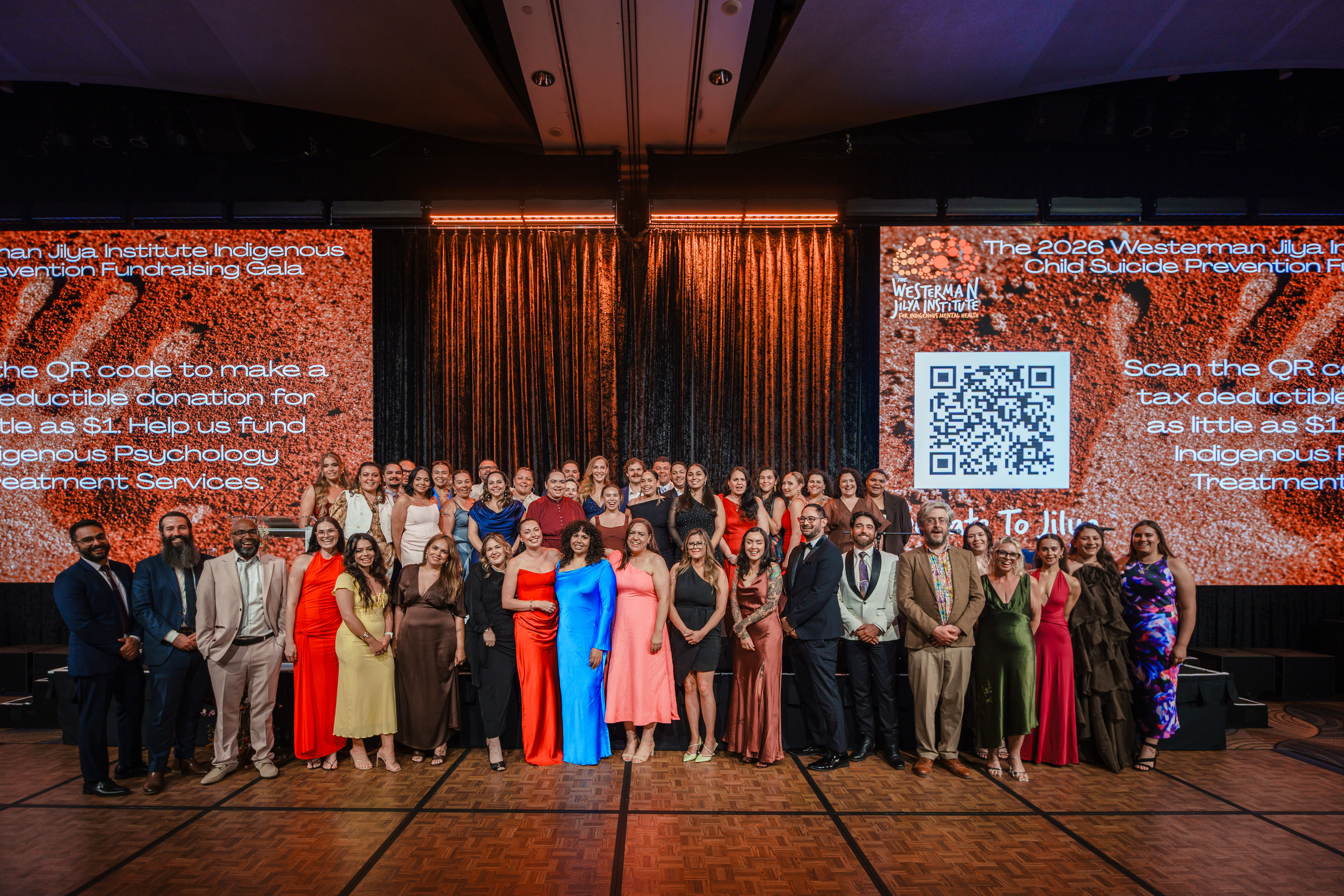
The 2026 Westerman Jilya Student Conference brought together around 70 current and former recipients of the Dr Tracy Westerman Indigenous Psychology Scholarship Program, culminating in the 2026 Westerman Jilya Institute Indigenous Child Suicide Prevention Fundraising Gala, which saw a special performance from Midnight Oil.
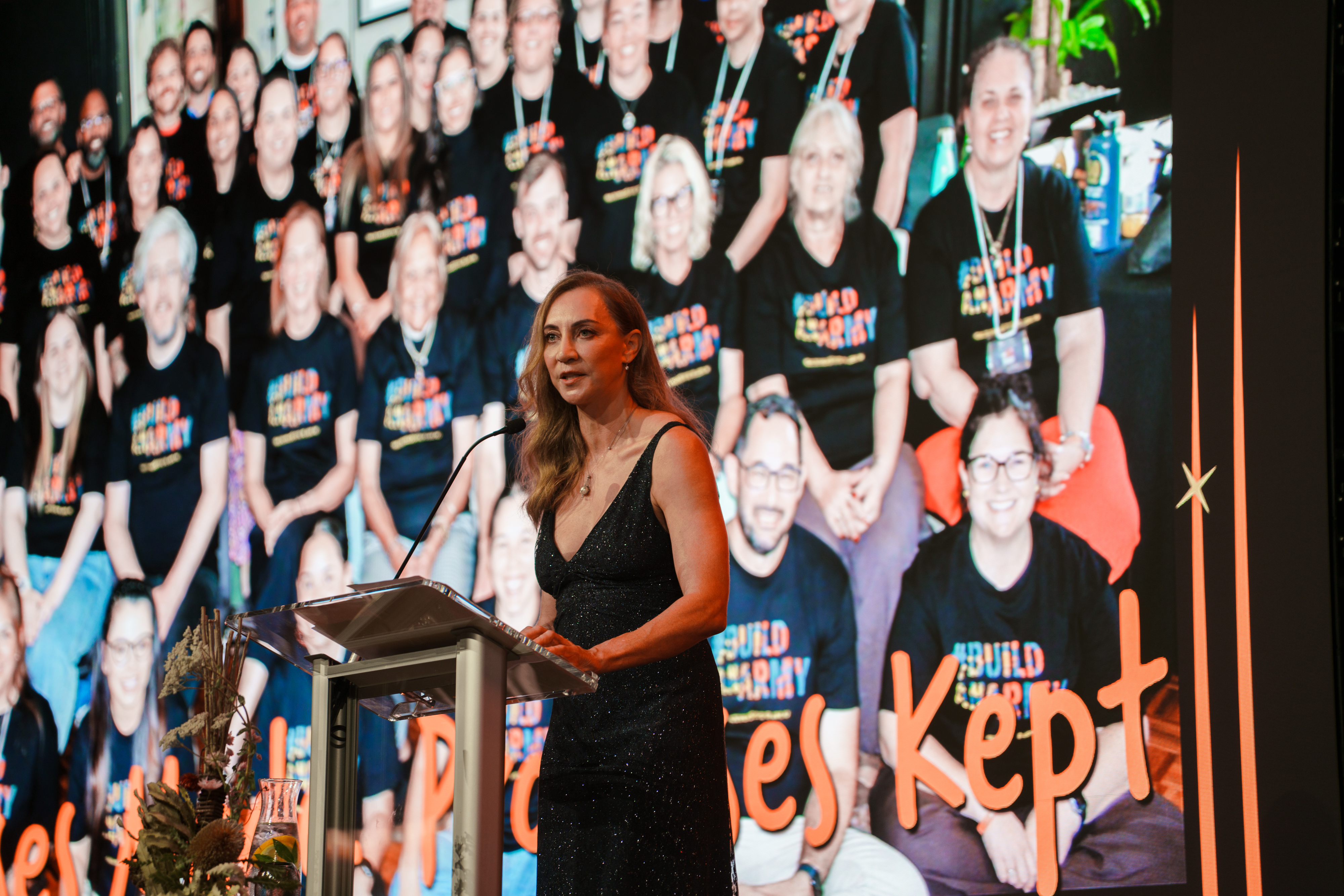
The event marked a milestone for the program, with 33 new students joining in 2026 following a record 74 applications. More than half of the new scholarship recipients come from remote communities across the country.
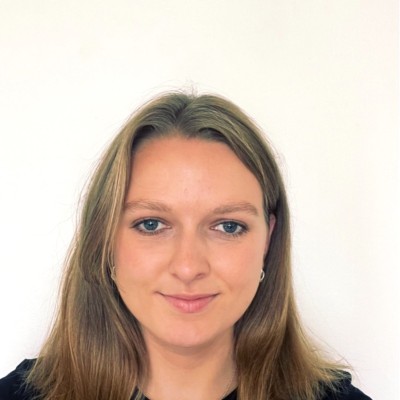
Among them is Lesley-Anne Bernard, a proud Yawuru and Kija woman who told National Indigenous Times the scholarship offered an opportunity to turn her own experiences with mental health challenges into support for others.
"I wanted to do it for years, and I've just never had the confidence or the right support," she said.
Ms Bernard, who currently works in the mental health sector, said culturally informed Indigenous practitioners were vital, particularly in communities where appropriate services could be difficult to access.
"It makes a big difference having an Aboriginal person in the room as well," she said, describing how some clients felt more comfortable with her.
The scholarship will help her build on her existing experience, develop new skills and strengthen her ability to support people navigating mental health challenges.
"I'm not doing it alone," she said, pointing to the support of Dr Westerman and previous scholarship recipients who were paving the way for others.
Growing support for future psychologists
For Tex Garstone, a Bardi and Jaru man and 2020 scholarship recipient, the conference highlighted the program's growth since its early days.
When he first joined, the cohort had seven students, and the first conference was held in Dr Westerman's lounge room.
"Now, just seeing the room filled with people, and it's being held over in Sydney, it's pretty crazy," he said.
"I think that's my biggest takeaway, is just how big this movement has gotten."
Mr Garstone said the connections between students were among the program's greatest strengths, providing a network of people who understood the challenges of studying psychology while balancing family and community responsibilities.
"Being able to talk to people who actually get it and understand where you're coming from" made a significant difference, he said.
Originally from the Kimberley, Mr Garstone said witnessing the impact of suicide in his community had inspired him to pursue psychology.
He urged young people considering a career in mental health not to be discouraged by the barriers they might face.
"There's never too many barriers," he said. "It's important to rely on your support networks, remember to reach out and ask for help, and you can do anything, really," he said.
Building a culturally informed workforce
Founded by Nyamal woman and psychologist Dr Tracy Westerman AM, the Jilya Institute for Indigenous Mental Health launched its scholarship program in 2019 in response to high rates of Indigenous youth suicide and a lack of specialist mental health services in high-risk communities.
Dr Westerman personally contributed $51,800 to establish the program following the Fogliani Coronial Inquiry into the deaths of 13 Aboriginal children in the Kimberley, which highlighted systemic failures and gaps in access to specialist support.
What began as a single scholarship grew through her fundraising efforts, attracting more than $800,000 in corporate and private donations.
The program provides financial stipends, mentoring, tutoring, research and placement opportunities to help students complete their degrees an
d build careers in communities where culturally informed care is needed.
Since 2019, the program has supported 79 Aboriginal and Torres Strait Islander psychology students, who have completed 67 qualifications, including 11 clinical master's degrees.
In March 2026, the program received its first federal funding through the National Indigenous Australians Agency, enabling the introduction of two additional support pathways.
Addressing students at the conference, Minister for Indigenous Australians Senator Malarndirri McCarthy highlighted the importance of self-care for those entering the mental health workforce.
She described the decision to pursue a career helping others as "really courageous", warning students they would face complex challenges while supporting people through difficult circumstances.
Senator McCarthy also urged students to understand the different challenges facing Indigenous communities, from Australia's history and the diversity of clan groups to the complexities of delivering support in remote, regional and urban areas.
"Make sure your light never goes out," she said. "Look after one another."
Dr Westerman said every scholarship recipient represented an investment in future generations.
"Every Aboriginal and Torres Strait Islander psychologist we support is an investment not only in one student, but in the families and communities who will benefit from their skills for generations to come," she said.