



'On Country: Photography from Australia' will make its Australian premiere at Melbourne's Immigration Museum next month after being shown at the Rencontres d'Arles photography festival in France.
The exhibition brings together 17 Indigenous and non-Indigenous artists and collectives whose work explores Country, colonialism, community and identity through photography.
Indigenous artists featured include Maree Clarke (Yorta Yorta/Wamba Wamba/Mutti Mutti/Boonwurrung), Michael Cook (Bidjara), Brenda L Croft (Gurindji/Malngin/Mudburra Nations), Robert Fielding (Yankunytjatjara/Western Arrernte), Ricky Maynard (Pakana), Tace Stevens (Noongar), James Tylor (Kaurna) - Collectives - Tony Albert (Kuku Yalanji) and David Charles Collins, Elisa Jane and Sonja Carmichael (Ngugi/ Quandamooka), The Huxleys: Will and Garrett (Gumbaynggirr/Yorta Yorta) - and - Ying Ang, Atong Atem, J Davies, Liss Fenwick, Adam Ferguson, Lisa Sorgini, wani toaishara.
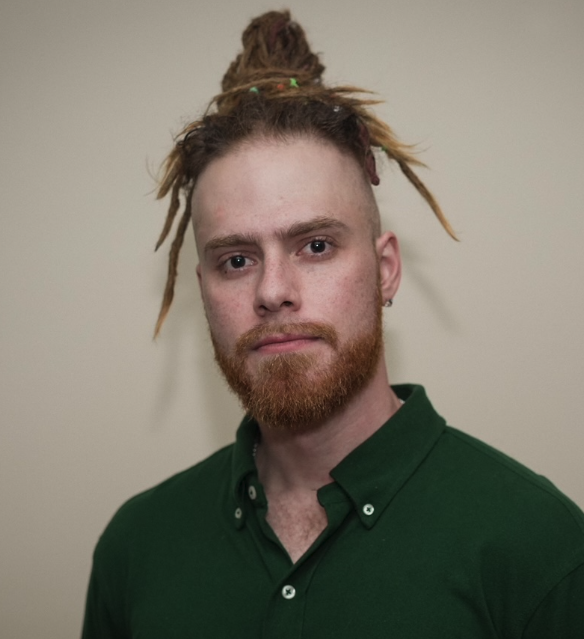
Noongar and Spinifex photographer Tace Stevens is among the artists whose work will be presented when the exhibition opens in Melbourne on October 16.
For Ms Stevens, the Australian premiere carries particular meaning after the exhibition's international presentation in France.
"Exhibiting the work at Rencontres d'Arles and sharing it with international audiences was an incredible experience, but bringing the exhibition home to Australia feels especially meaningful," she said.
"These are Australian stories and lived experiences, told through many perspectives, so I'm excited to see how audiences who know these places and histories connect with the work."
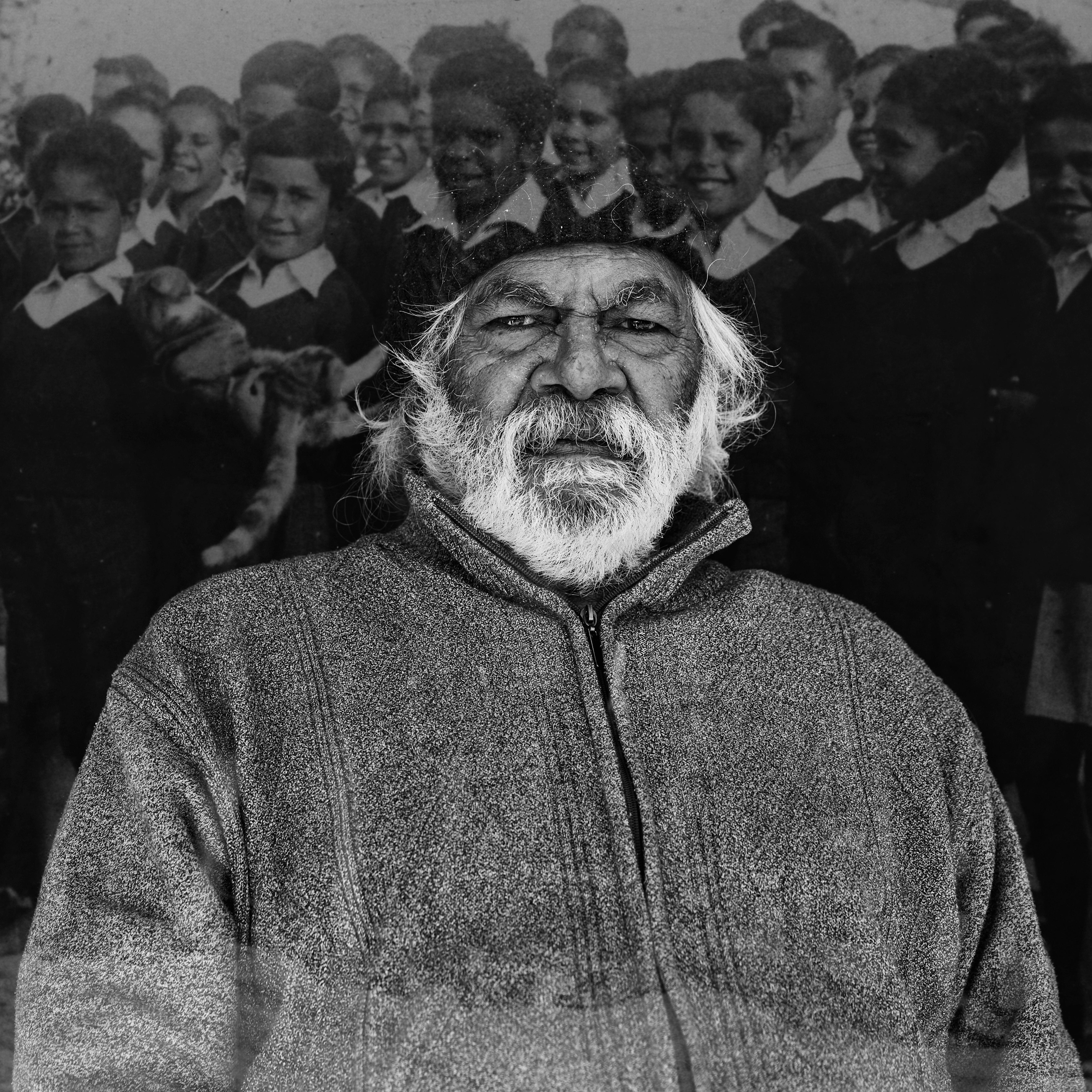
Ms Stevens' contribution, 'We Were Just Little Boys', was created in collaboration with Survivors of the Kinchela Aboriginal Boys Training Home.
The NSW state-run institution operated from 1924 to 1970 and received hundreds of Aboriginal boys who had been forcibly removed from their families.
The institution was part of assimilation policies which contributed to what are now referred to as the Stolen Generations.
Although Ms Stevens' family did not go through Kinchela, her grandparents were affected by similar policies in Western Australia.
The connection shaped the way she approached the project and the responsibility she felt in helping share the survivors' stories.
"Even though my family didn't go through Kinchela, my grandparents were impacted by these same policies in Western Australia," Ms Stevens said.
"This project wasn't just a job. As an Aboriginal woman, it was a cultural responsibility.
"It's important for audiences to know that the Uncles' stories aren't just Aboriginal history. It's Australian history."
.jpg)
The exhibition also examines who has historically controlled the representation of Aboriginal people, Country and community through photography.
Ms Stevens said Indigenous artists being able to tell their own stories was important because Aboriginal and Torres Strait Islander experiences had often been documented from outside their communities.
"Most of our stories have been documented by non-Indigenous people. That's a problem, because it doesn't reflect the diversity and nuance of our cultures and lived experiences," she said.
"It matters who tells the story, and it's important that the right person tells it.
"Aboriginal and Torres Strait Islander individuals and communities are diverse, and we have so many stories to tell."
View this post on Instagram
A post shared by Immigration Museum (@immigrationmuseum_melb)
Bringing the works together also gives audiences the opportunity to see a range of Indigenous perspectives, practices and experiences within the same exhibition.
Ms Stevens said she hoped the collection would show audiences the diversity within Aboriginal and Torres Strait Islander communities.
"This exhibition includes the work of some incredible Indigenous artists. As an emerging Aboriginal photographer, I'm so inspired by their practices and the stories they tell," she said.
"Seeing our work together, I hope audiences realise that we're not just one thing, we're multifaceted.
"We have a diversity of cultures, stories, knowledges, and ways of living and seeing the world."
'On Country: Photography from Australia' opens at the Immigration Museum in Melbourne on Friday October 16.



