
The NBL Indigenous Round jerseys have been unveiled by nine of the 10 clubs ahead of Round 10 of the 2026-27 season, with Aotearoa's New Zealand Breakers yet to reveal their design.
The jerseys feature artwork by First Nations artists from across Australia, highlighting connections to Country, community, cultural knowledge and the histories of the clubs.
Each design incorporates cultural symbols and stories reflecting the artists' heritage, alongside representations of the players, supporters and communities involved in basketball.
From the waterways of Far North Queensland to the cultural landscapes of Lutruwita (Tasmania), the jerseys bring Aboriginal storytelling onto the basketball court.
Adelaide 36ers - Kaurna Country
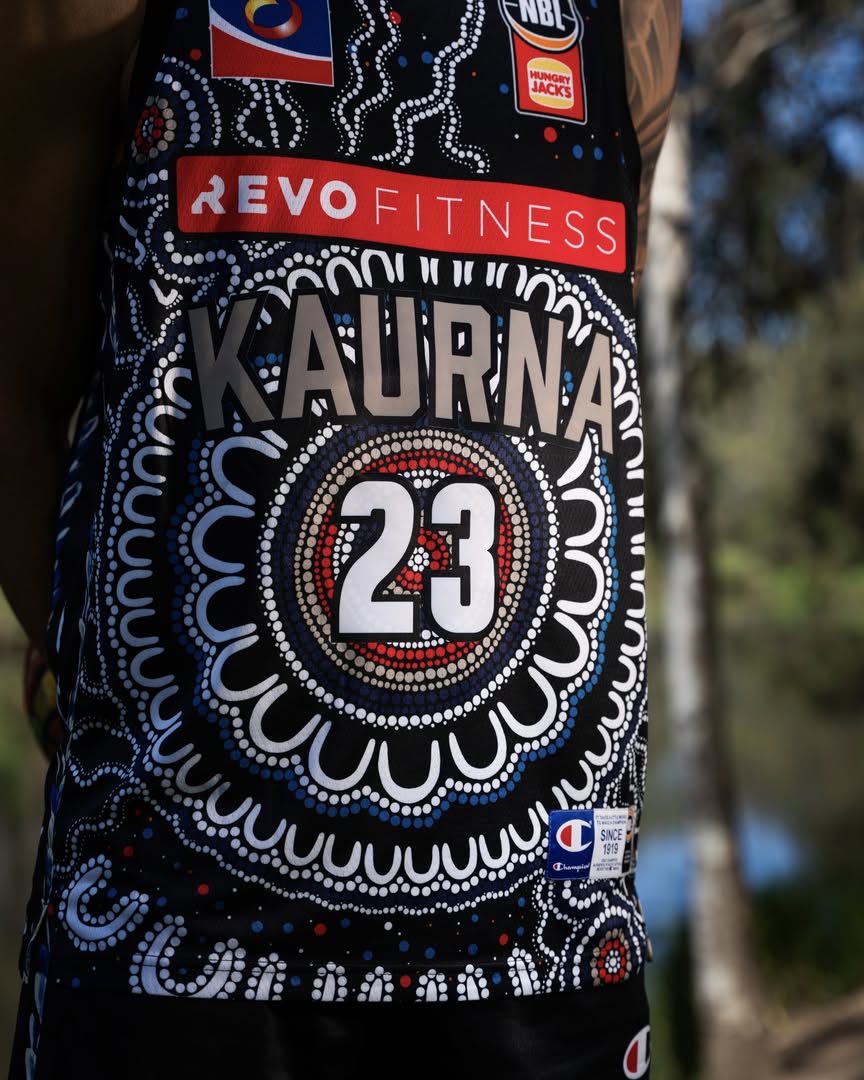
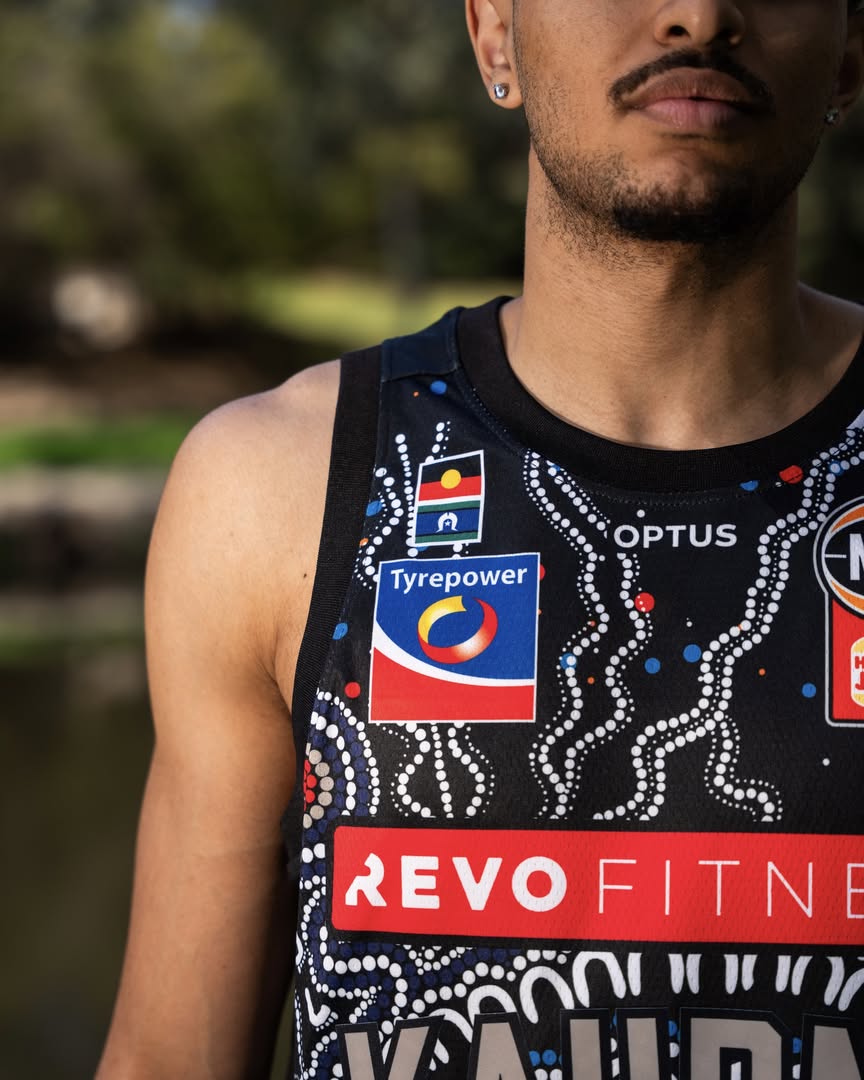
Ngarrindjeri, Kokatha and Warlpiri artist Stephanie Singh-Highfold has designed the Adelaide 36ers' Indigenous Round jersey, reflecting the club's connection to Kaurna Country.
The Adelaide-based artist operates Nabanunga Contemporary Aboriginal Art, which she established in 2020 to celebrate First Nations culture through art.
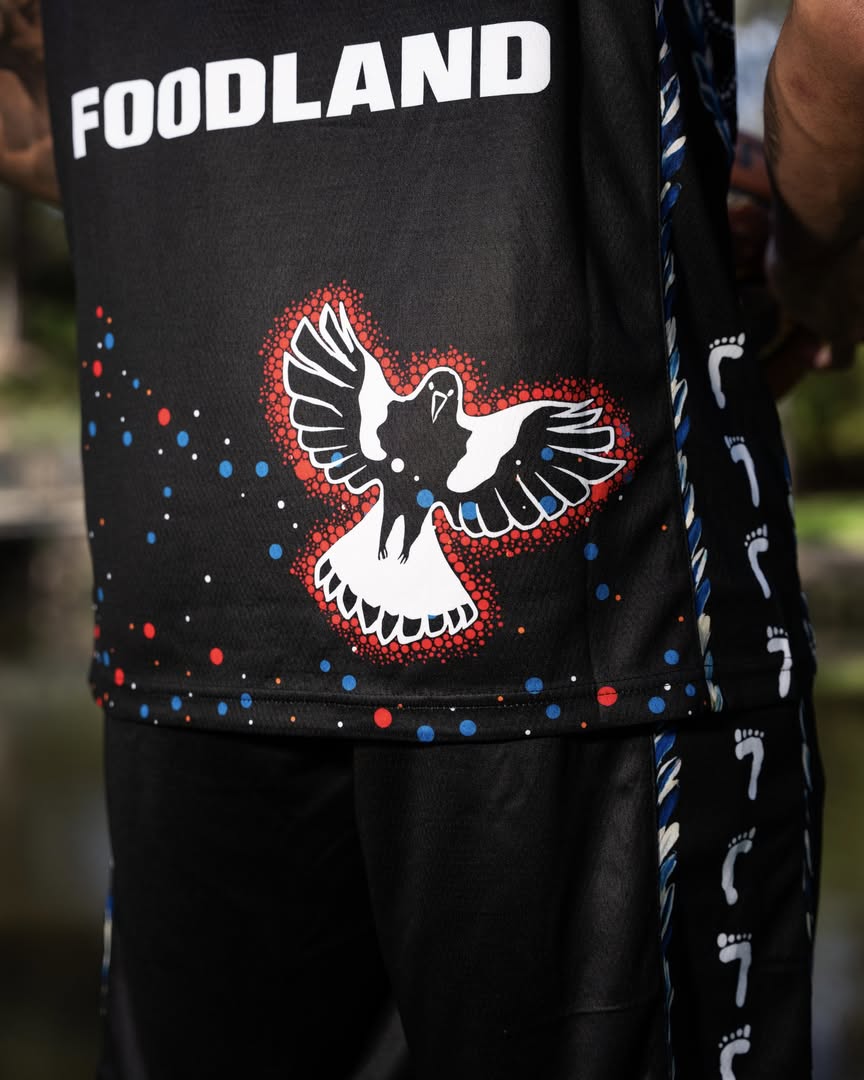
Her design places the stadium at its centre, surrounded by figures representing players, coaches, volunteers, members and the wider South Australian community.
A magpie watches over the club, while footprints represent the journey from previous venues to its new home.
Five U-shaped figures along the bottom honour club legends, while blue leaves represent healing and strength.
The artwork also features a trail of white dots.
The design notes describe these as representing "the club's journey, achievements, and enduring connection to Kaurna land."
Brisbane Bullets - Magandjin (Brisbane)
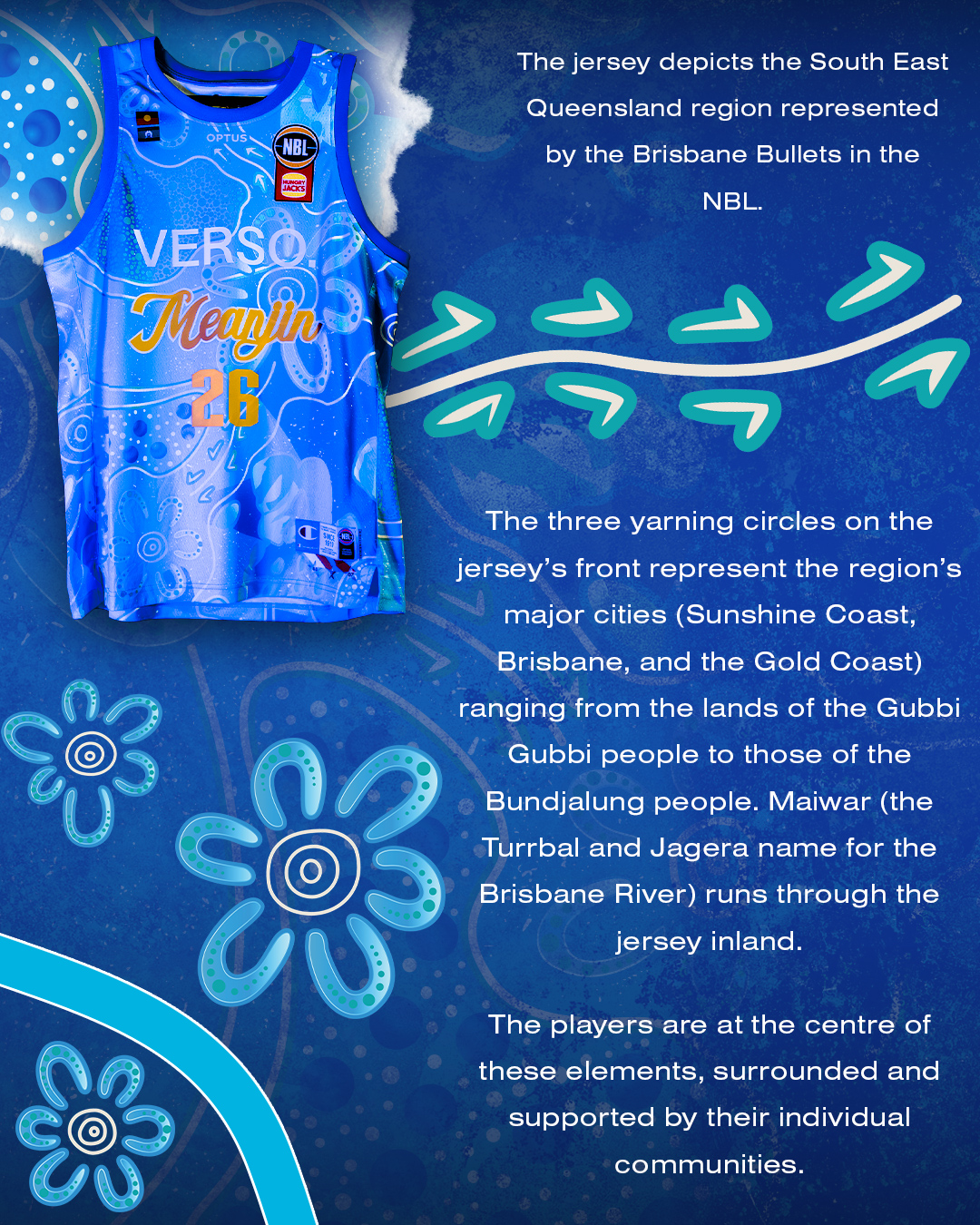
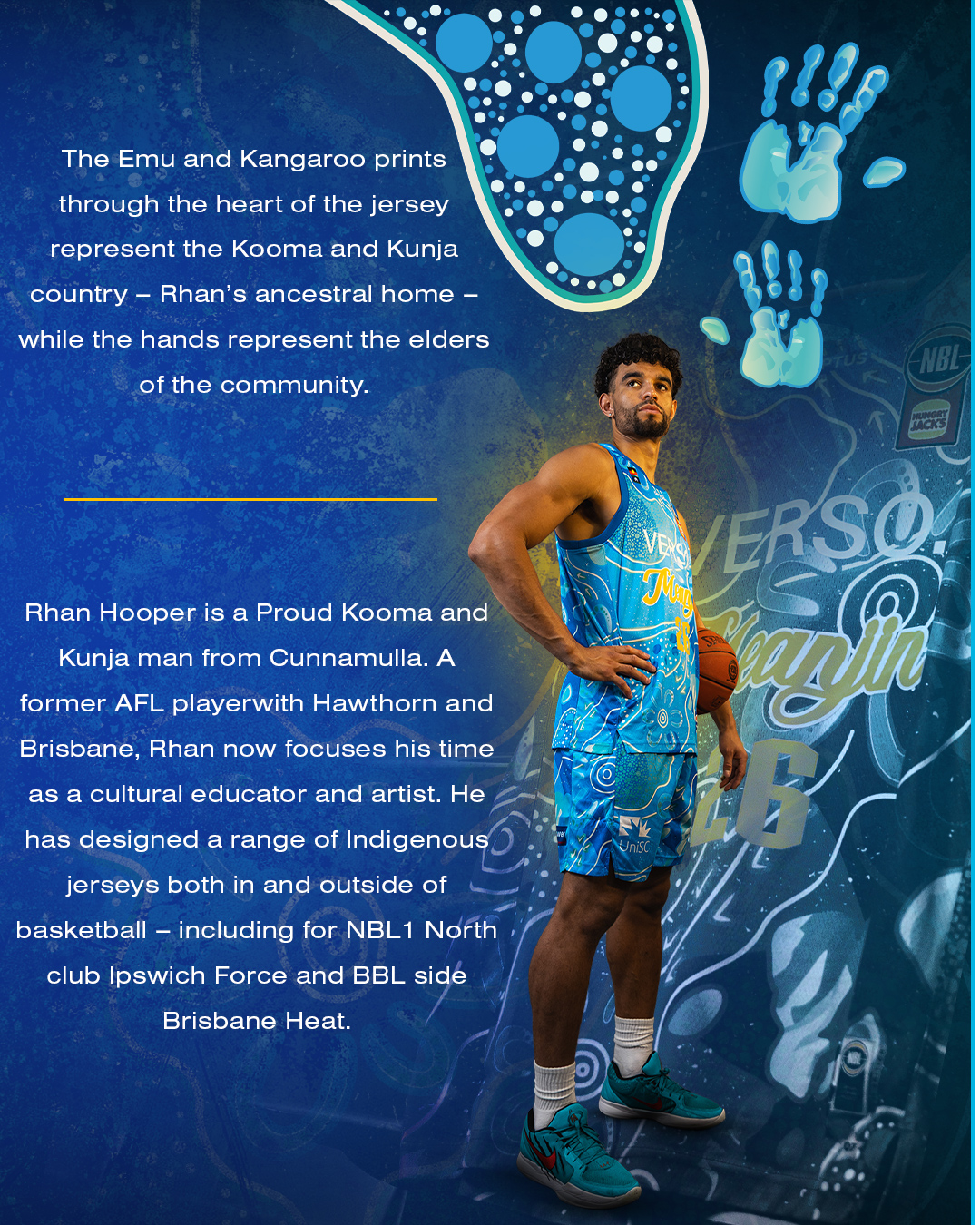
Kooma and Kunja artist Rhan Hooper has designed the Brisbane Bullets' Indigenous Round jersey, drawing on the communities and landscapes of South East Queensland.
Originally from Cunnamulla, the former AFL player has previously created Indigenous sporting uniforms for the Ipswich Force and Brisbane Heat.
The jersey features three yarning circles representing the Sunshine Coast, Brisbane and Gold Coast, acknowledging Gabi Gabi, Turrbal and Yugambeh Country.
The Brisbane River, known as Maiwar, extends through the design towards Wakka Wakka and Yagera lands.
Hooper's artwork also incorporates emu and kangaroo tracks representing his ancestral Country, while handprints acknowledge community Elders.
The artist's notes place the players at the centre of the design.
"The players are at the centre of these elements, surrounded and supported by their individual communities," he said.
Cairns Taipans - Gimuy (Cairns)
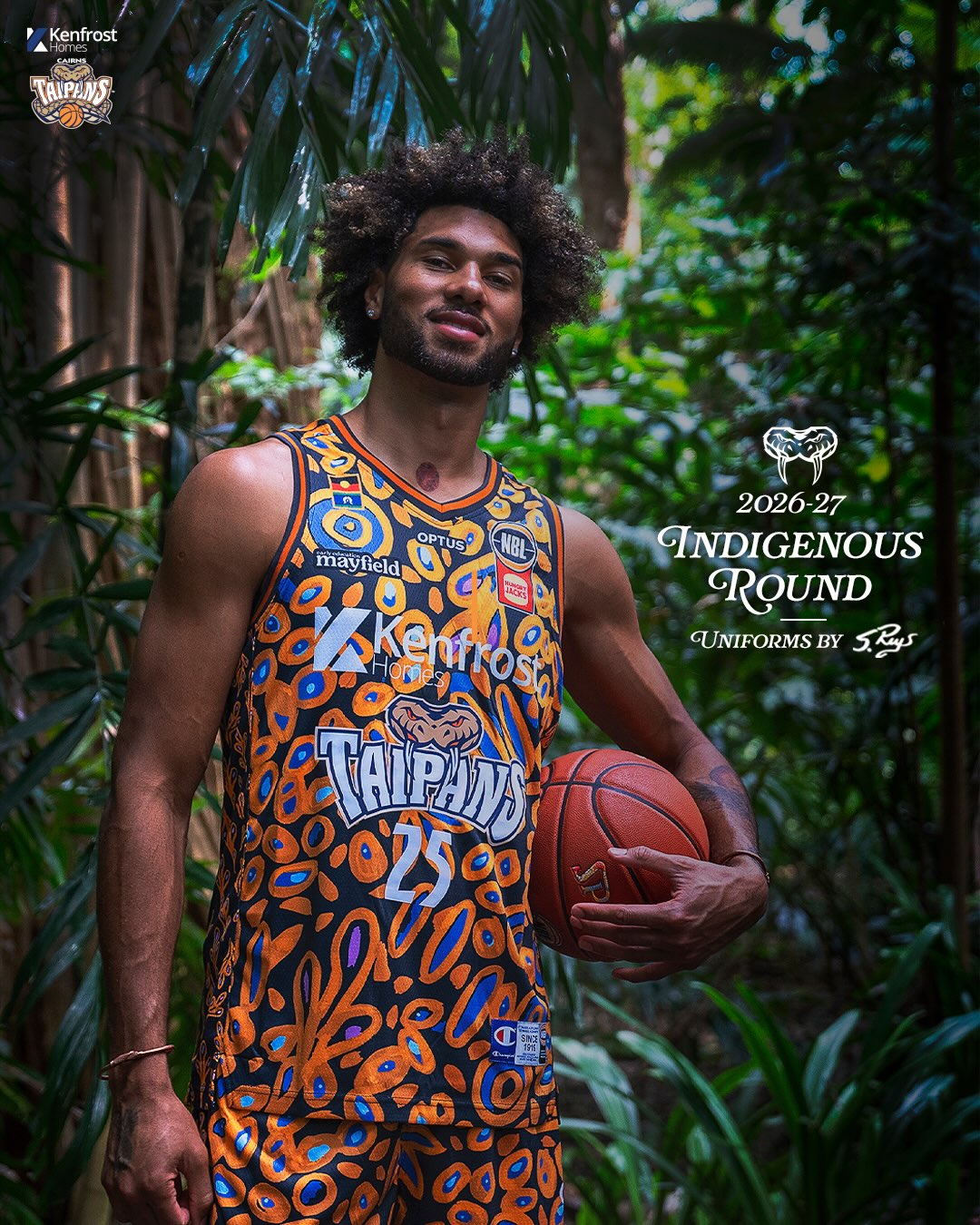
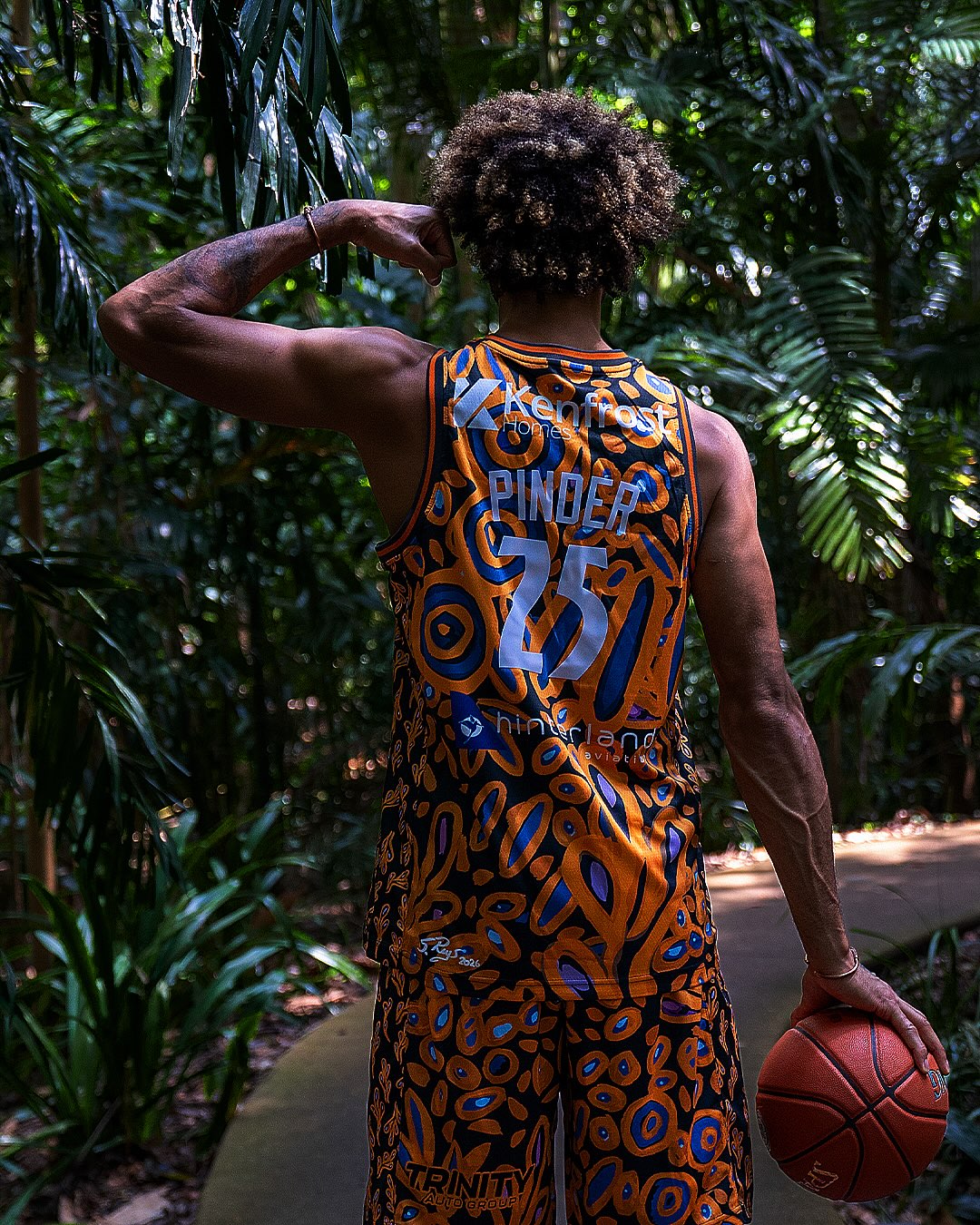
Jirrbal and Butchulla artist Susan Reys, also known as Duliny, has created the Cairns Taipans' jersey, titled The Spirit of Country We Wear.
Born and raised in Cairns, Reys draws on her family's cultural connections and traditional storytelling practices in her artwork.
The design combines blues, purples and warmer earth tones to represent the mountains, waterholes and landscapes of Far North Queensland.
Three message sticks sit at the centre, representing responsibilities to care for Country, support one another and maintain cultural practices.
Flowing patterns reflect waterways and native plants, connecting basketball with the natural environment.
Reys' artwork highlights the relationship between culture and sport.
"These elements anchor the design, reminding us that culture is not separate from sport — it is carried, worn, and lived," she said.
The jersey also acknowledges the importance of passing cultural knowledge to future generations.
Illawarra Hawks - Dharawal Country
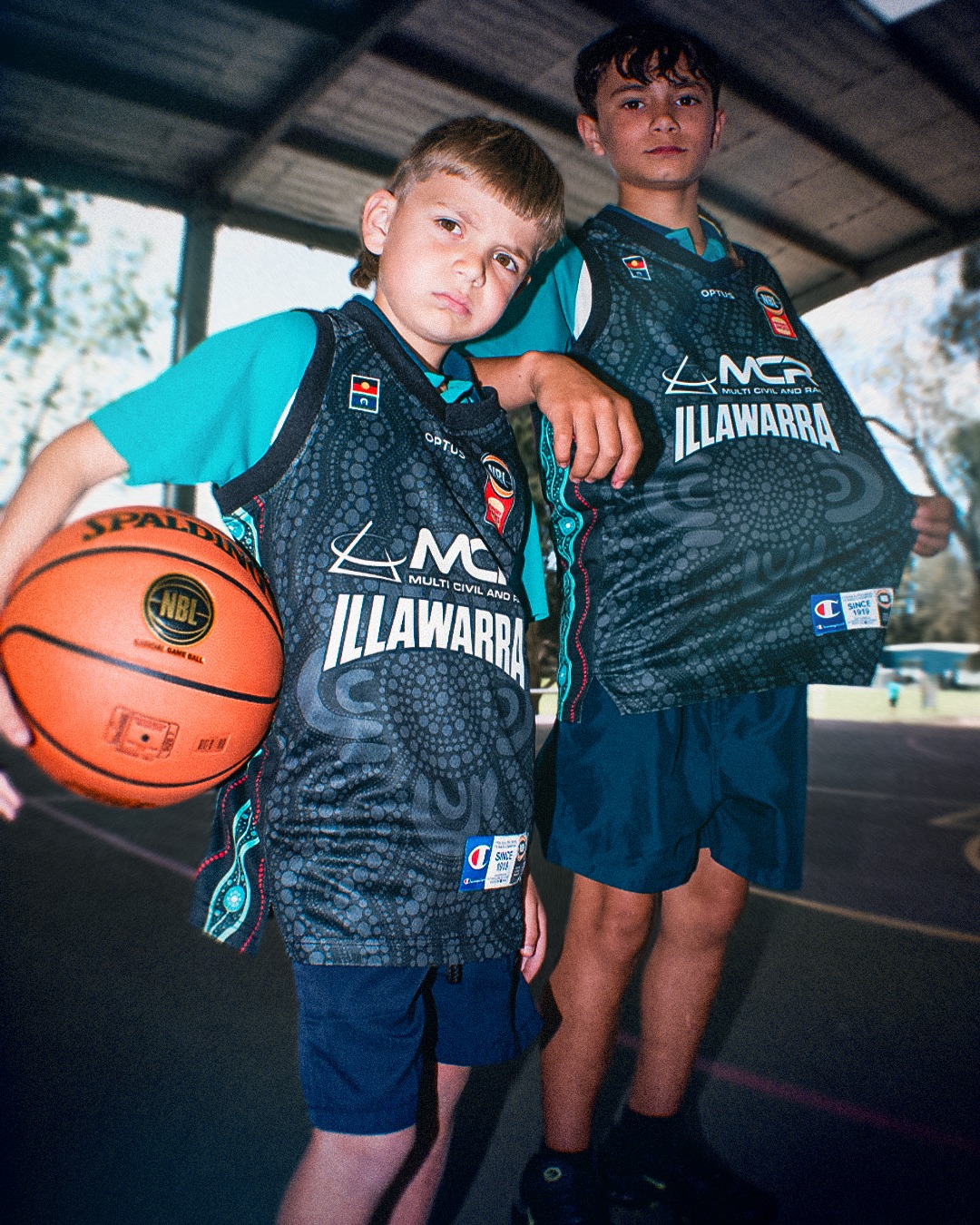
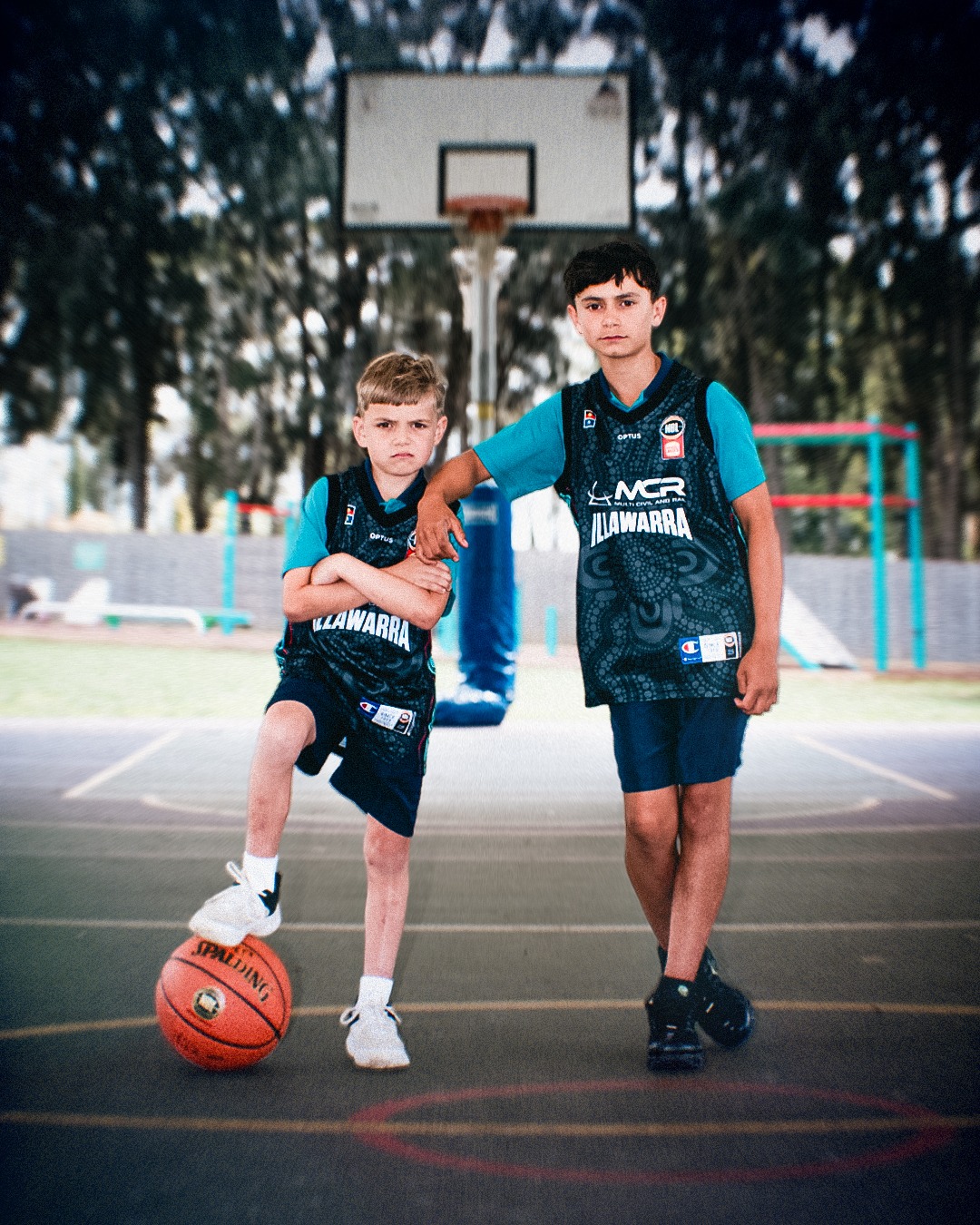
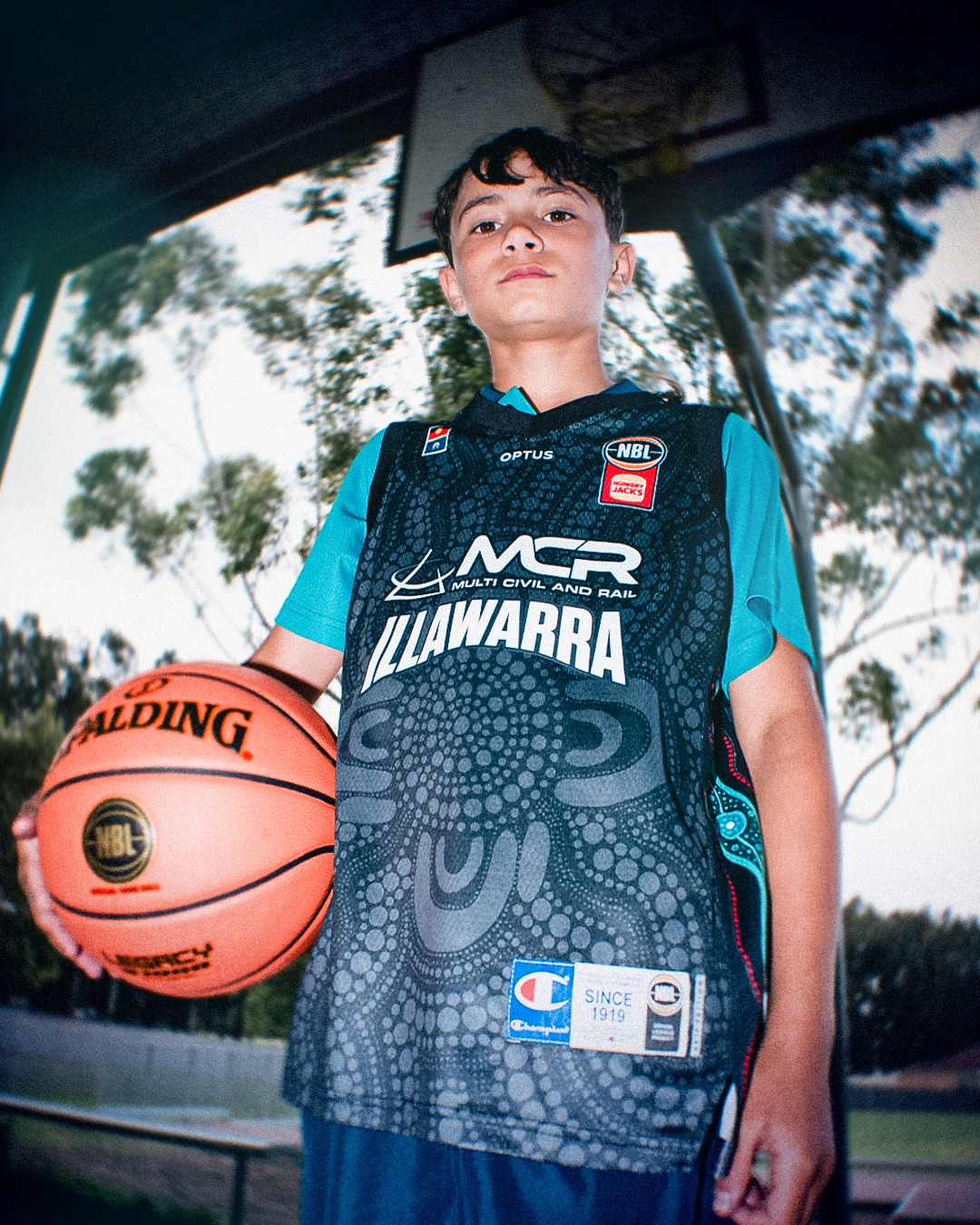
Gundungurra Elder and artist Aunty Trish Levett, traditionally known as Kalawatawarra, has designed another Indigenous Round jersey for the Illawarra Hawks.
Titled Connection to Country, the artwork reflects ancestral knowledge, ceremonial practices and the relationship between people and the environment.
Double U-shaped symbols represent Elders gathering at a ceremonial site to share cultural knowledge.
Four circles acknowledge the cardinal directions, while blue lines depict waterways and sacred waterholes.
Ochre colours represent the earth and its cultural significance, with mud and clay incorporated as symbols of healing.
Aunty Trish has worked with the Hawks on previous Indigenous Round designs and has more than 35 years of artistic experience.
Her cultural practice carries a message about protecting Country.
"Walk gently on Mother Earth and care for her, for she provides everything we need to survive," she said.
Melbourne United - Naarm (Melbourne)
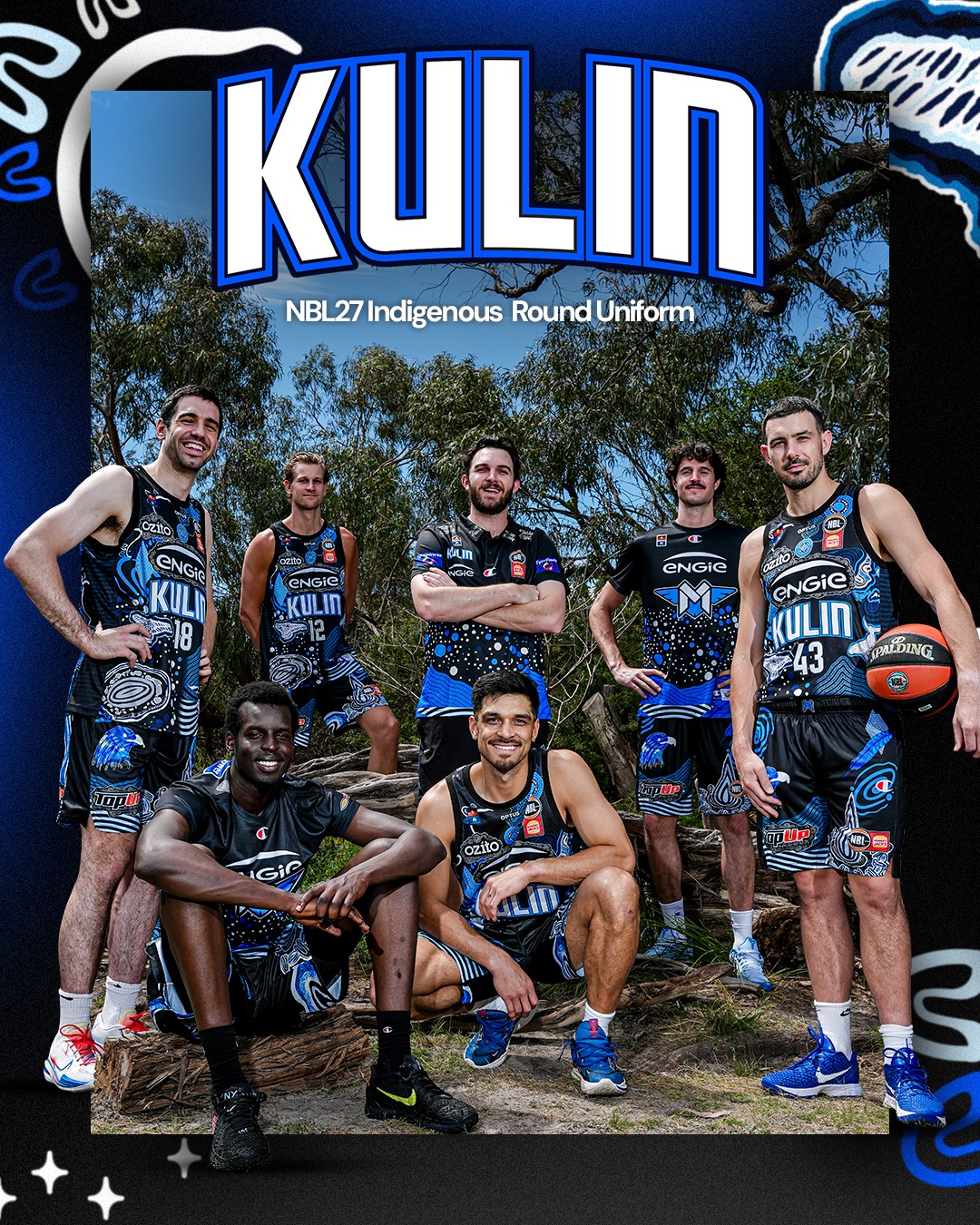
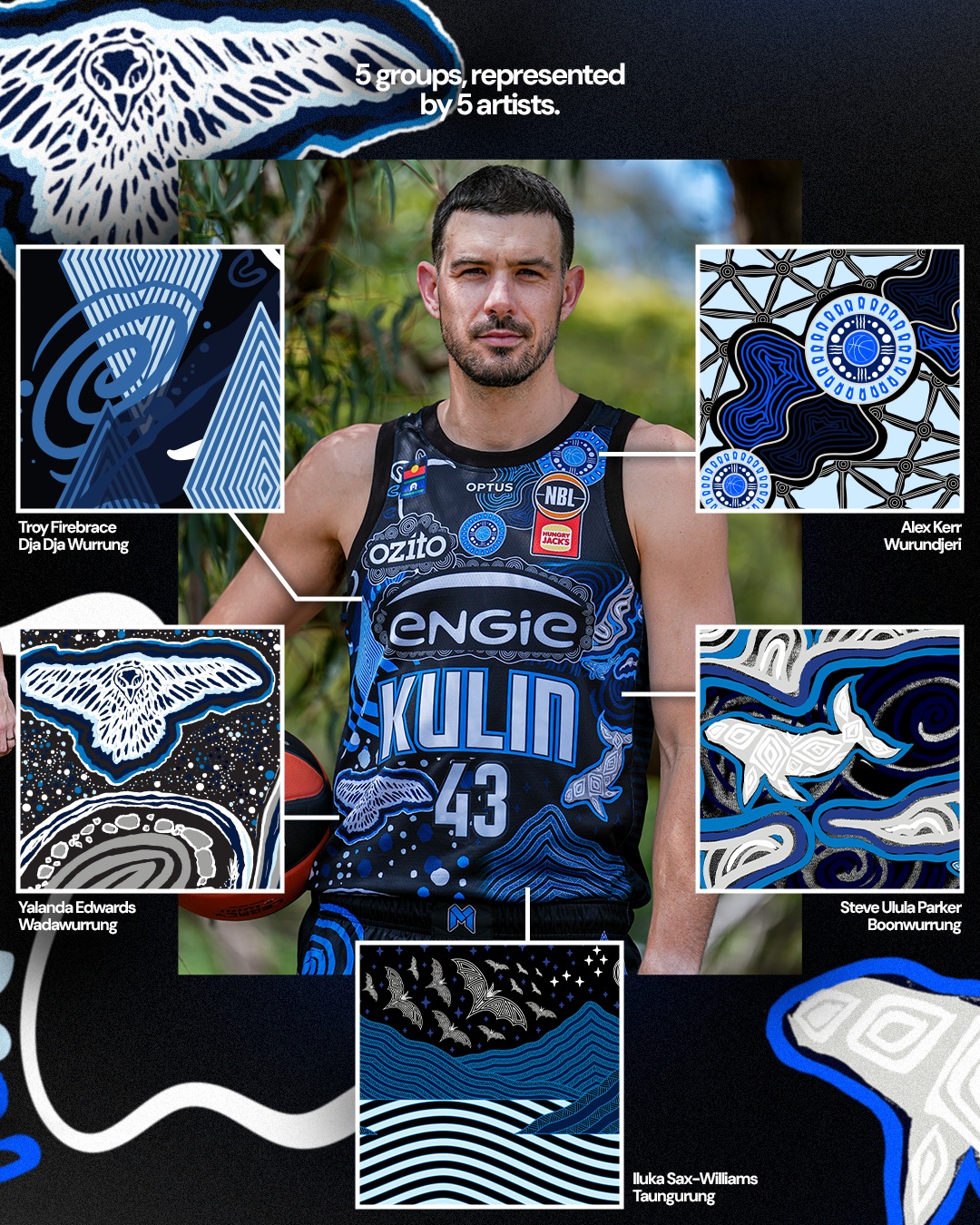
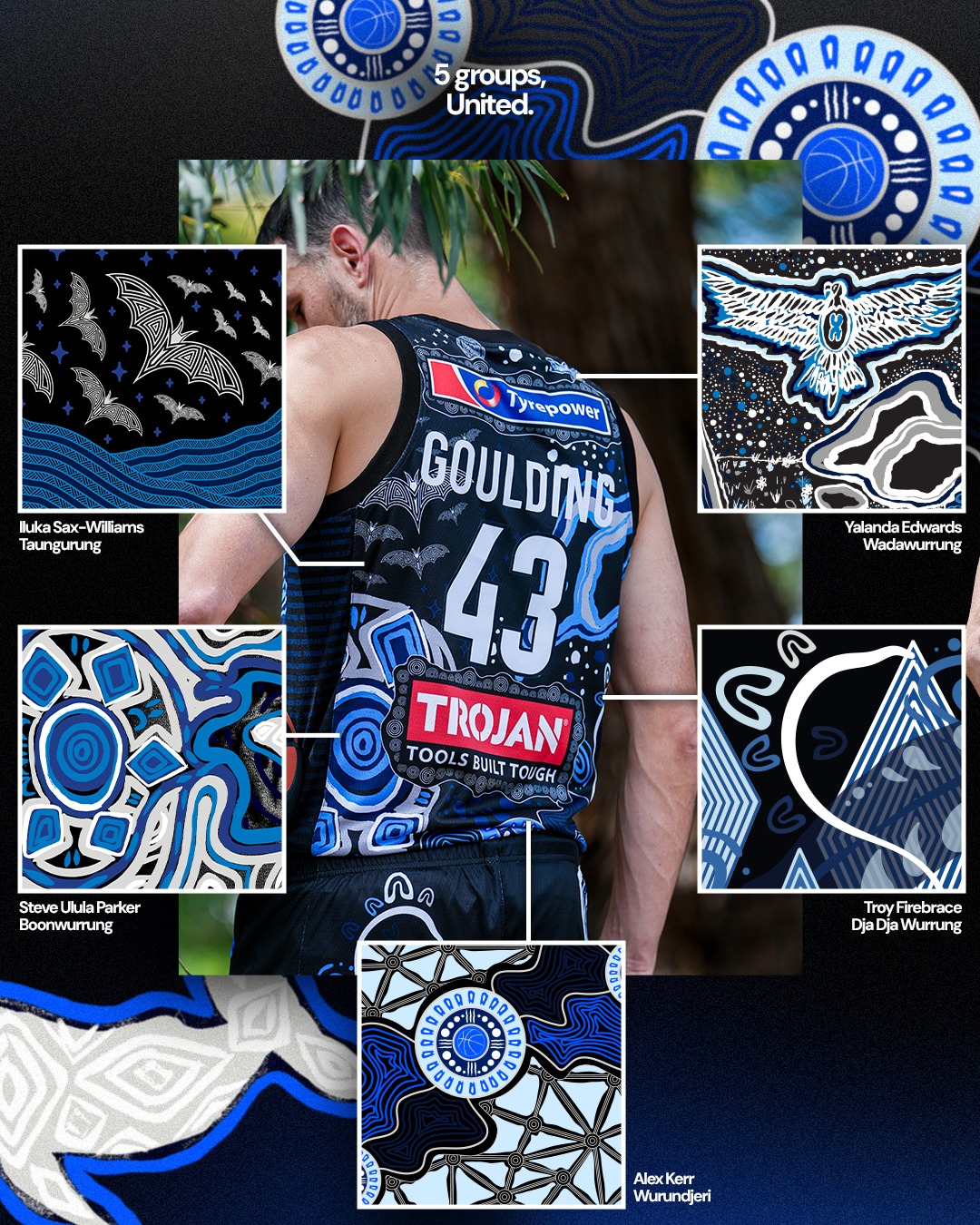
Melbourne United has brought together five First Nations artists to create a jersey representing the five groups of the Kulin Nation.
The Kulin Nation Project features artwork by Wurundjeri artist Alex Kerr, Taungurung artist Iluka Sax-Williams, Wadawurrung artist Yalanda Edwards, Boonwurrung artist Steve Parker and Dja Dja Wurrung artist Troy Firebrace.
Their individual designs have been combined into one uniform featuring the KULIN wordmark.
The artwork includes waterways, meeting places, ancestral stories, wildlife and cultural responsibilities across the different Countries.
Kerr's contribution focuses on Wurundjeri Country and the connections between people, land and water.
Other elements include Balayang the Bat, Wadawurrung waterways, Boonwurrung whale stories and Dja Dja Wurrung cultural knowledge.
Perth Wildcats - Boorloo (Perth)
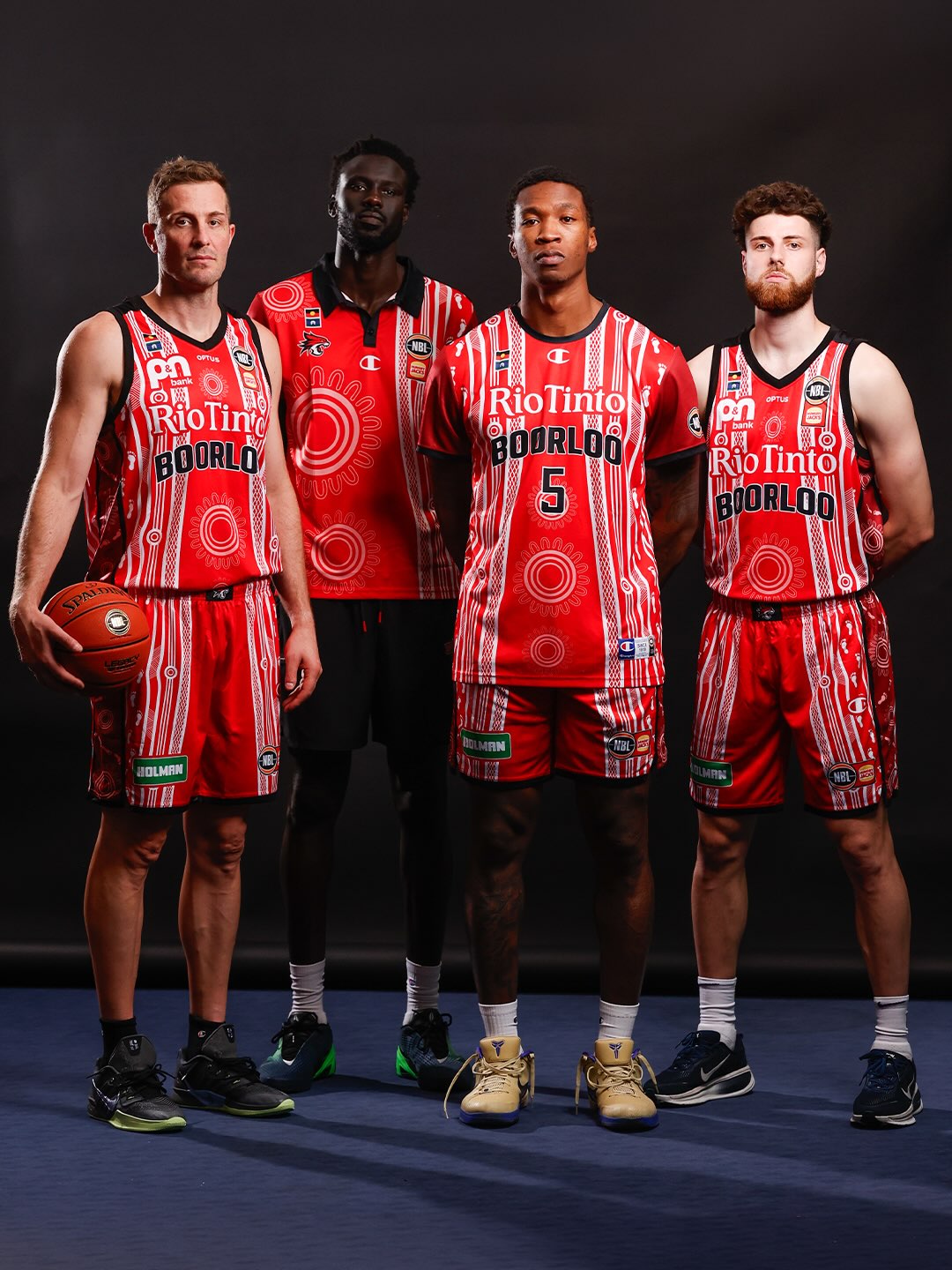
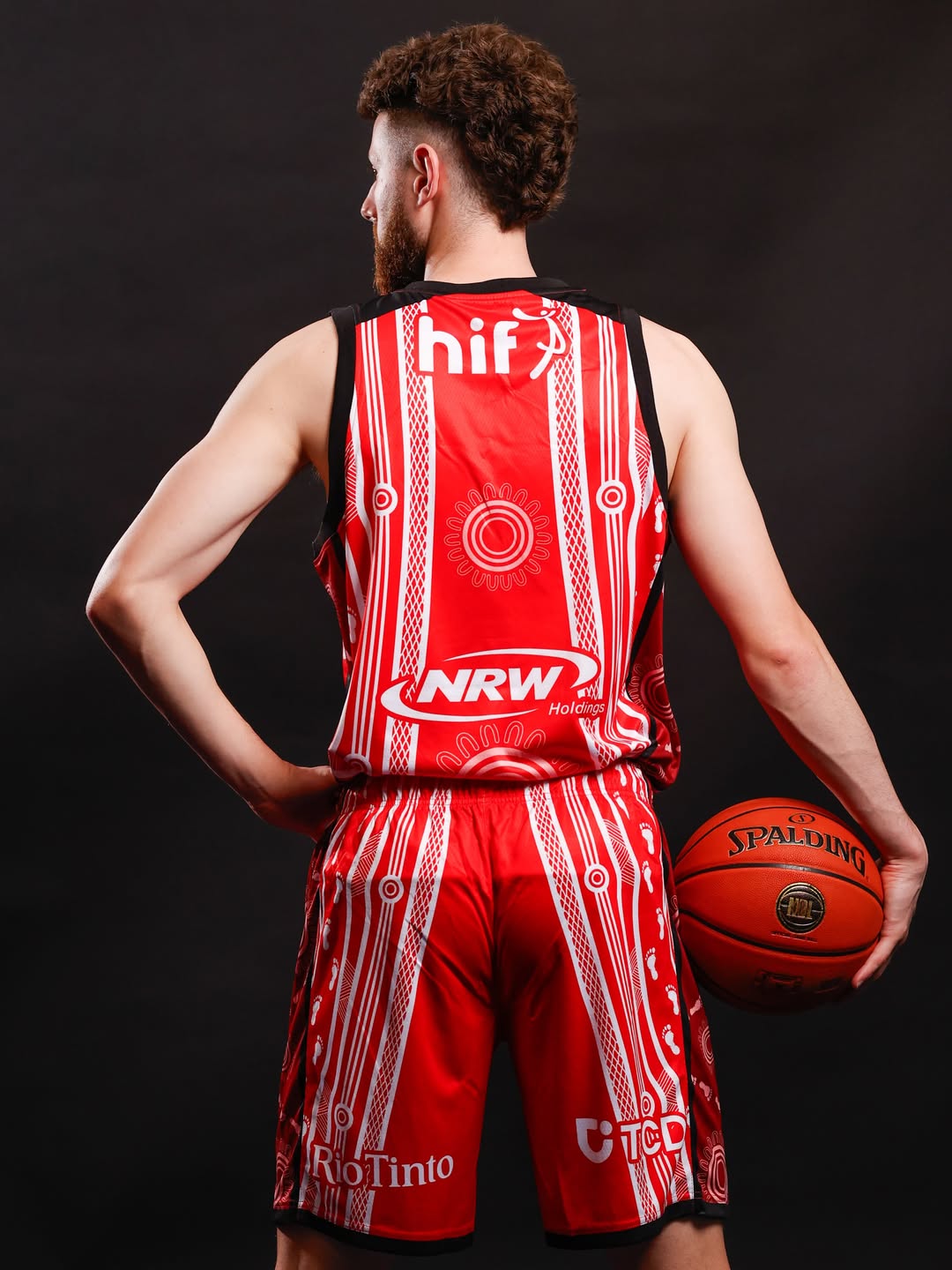
Wilman and Koreng Noongar artist Bailey Wallam has designed the Perth Wildcats' Indigenous Round jersey through his creative business, The Westside Project.
Wallam grew up on Whadjuk Noongar Boodjar and has family connections to Wagin and Katanning in Western Australia.
His artwork represents the relationships between the Wildcats, Noongar communities and the surrounding landscape.
Circular symbols represent communities brought together through basketball, while footprints acknowledge the club's history and achievements.
Connected circles and lines depict Noongar communities across Western Australia and the body of the Wagyl, an important ancestral being.
Tree limbs acknowledge the importance of wood in traditional life, while waterways represent a source of sustenance for Noongar people.
Wallam explains the significance of the footprints.
"The footprints are to represent the journey that the Wildcats have had to be the most successful club in the NBL," he said.
South East Melbourne Phoenix - Naarm (Melbourne)
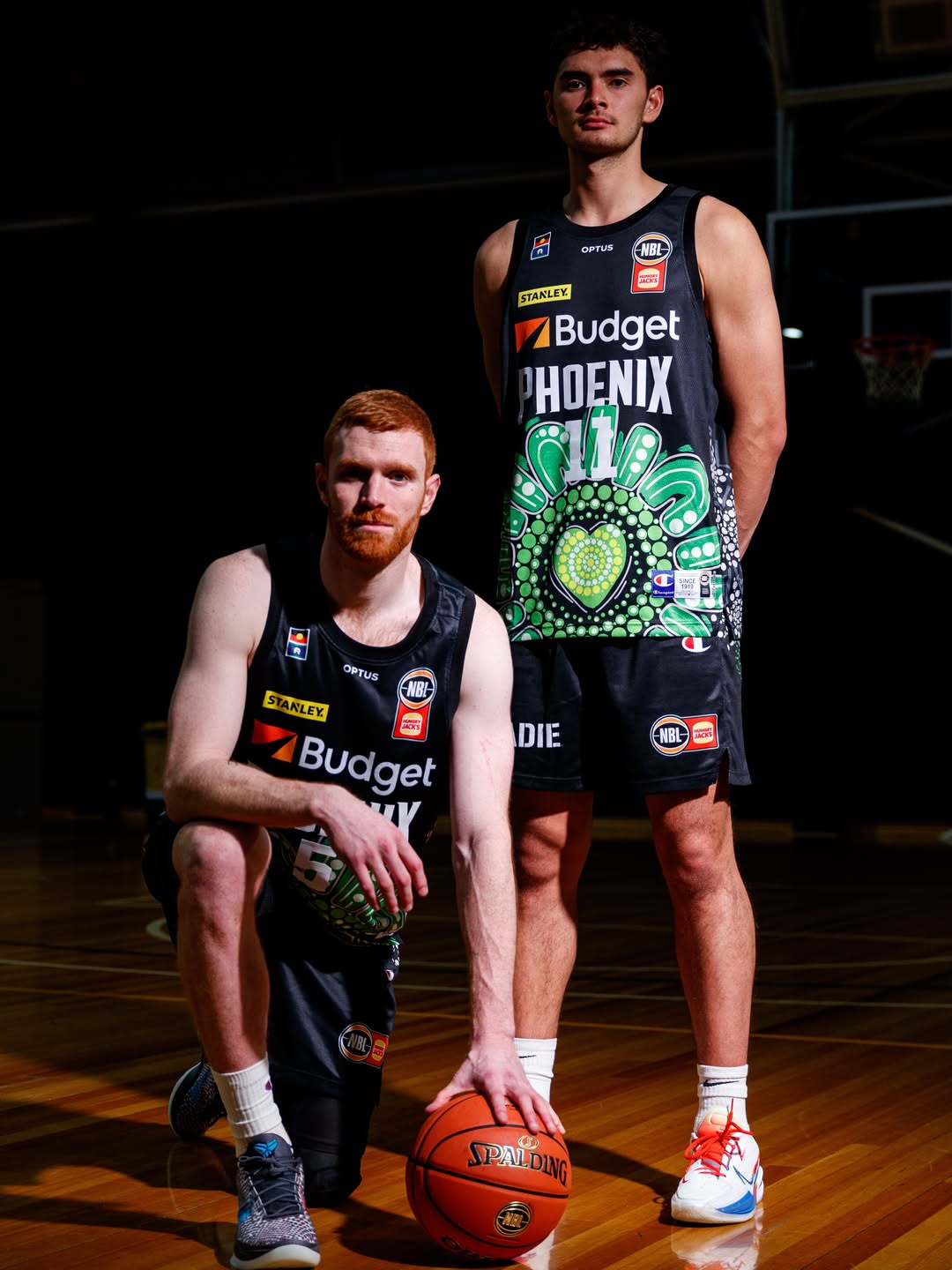
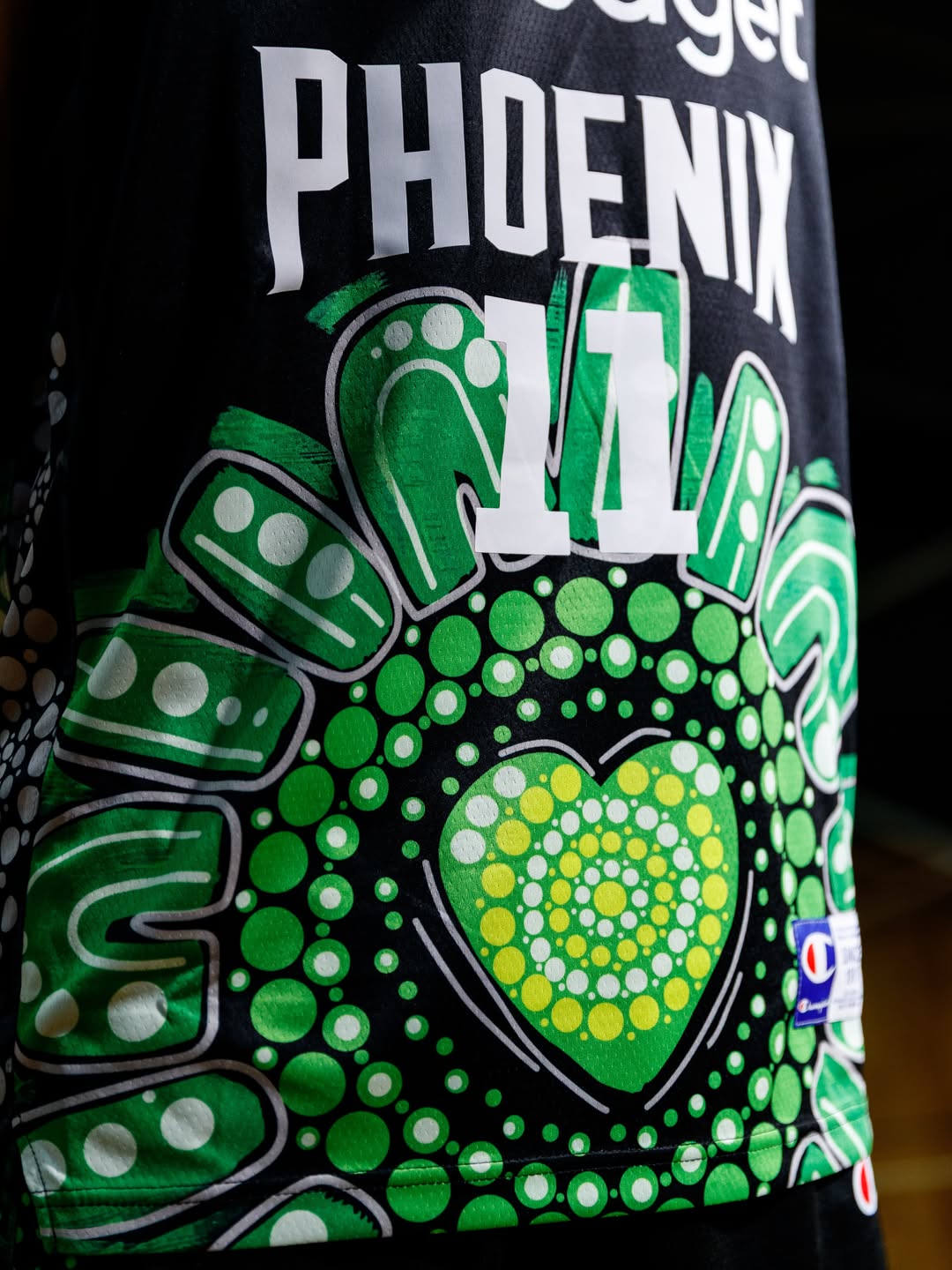
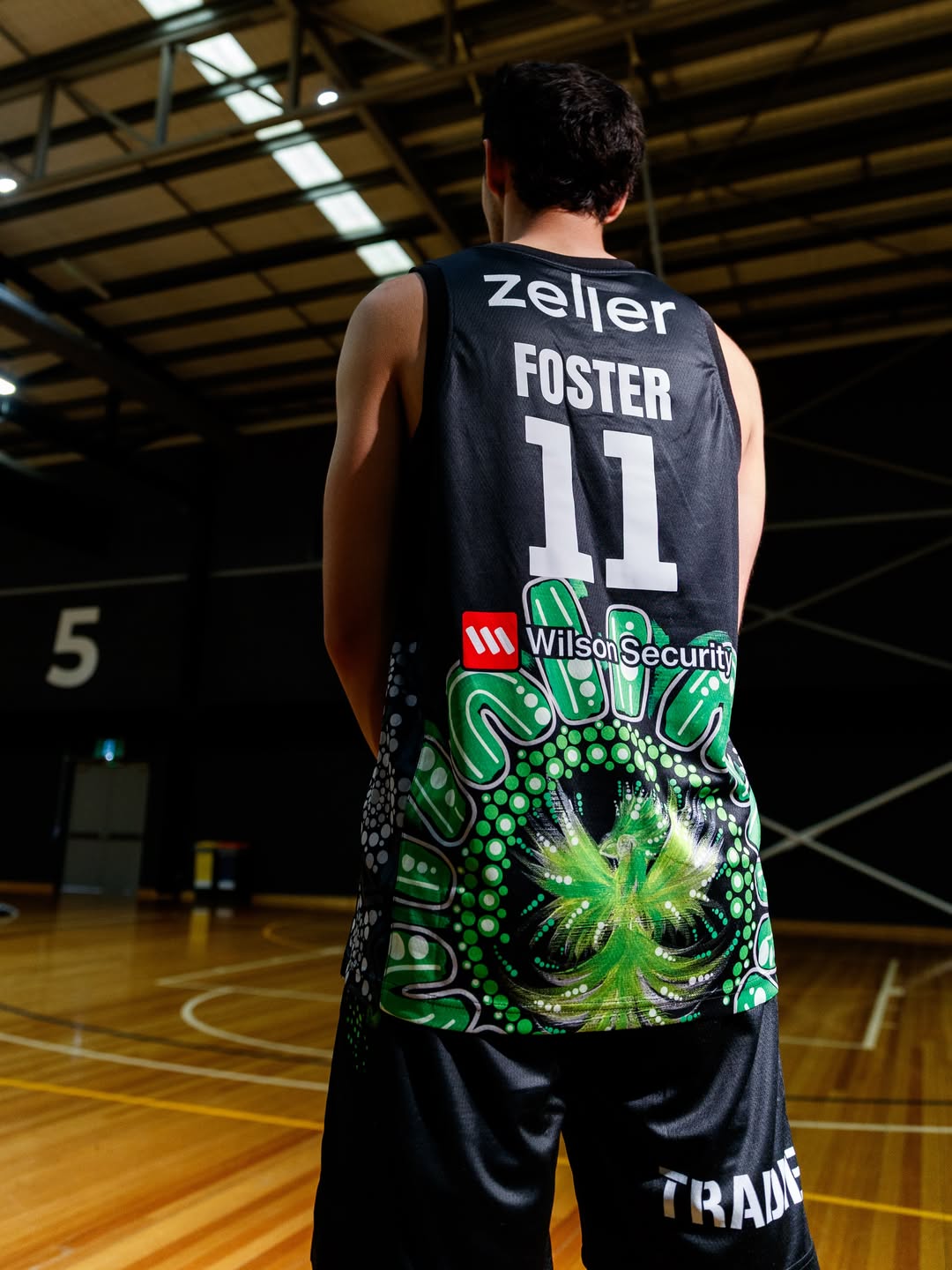
Kulin artist Tiffany Hunter has created the South East Melbourne Phoenix jersey, titled Rising from the Ashes.
Hunter, the founder of Tiffany Hunter Studio and Nerdu Badji Education, uses her artwork to explore cultural identity, community and belonging.
The design reflects the club's connections across Melbourne's south-eastern suburbs and Gippsland, incorporating symbols of growth and resilience.
Stars represent players and their pursuit of a championship, while a butterfly symbolises development and change.
A leaf acknowledges connection to Country and the importance of remembering where people come from.
The phoenix represents renewal and the ability to overcome adversity.
Hunter's artwork notes connect that symbolism to the club's identity.
"The Phoenix is a bird that rises from the ashes after hardship, representing hope, growth and new beginnings," she said.
The design also recognises the importance of creating opportunities for younger generations.
Sydney Kings - Warrane (Sydney)
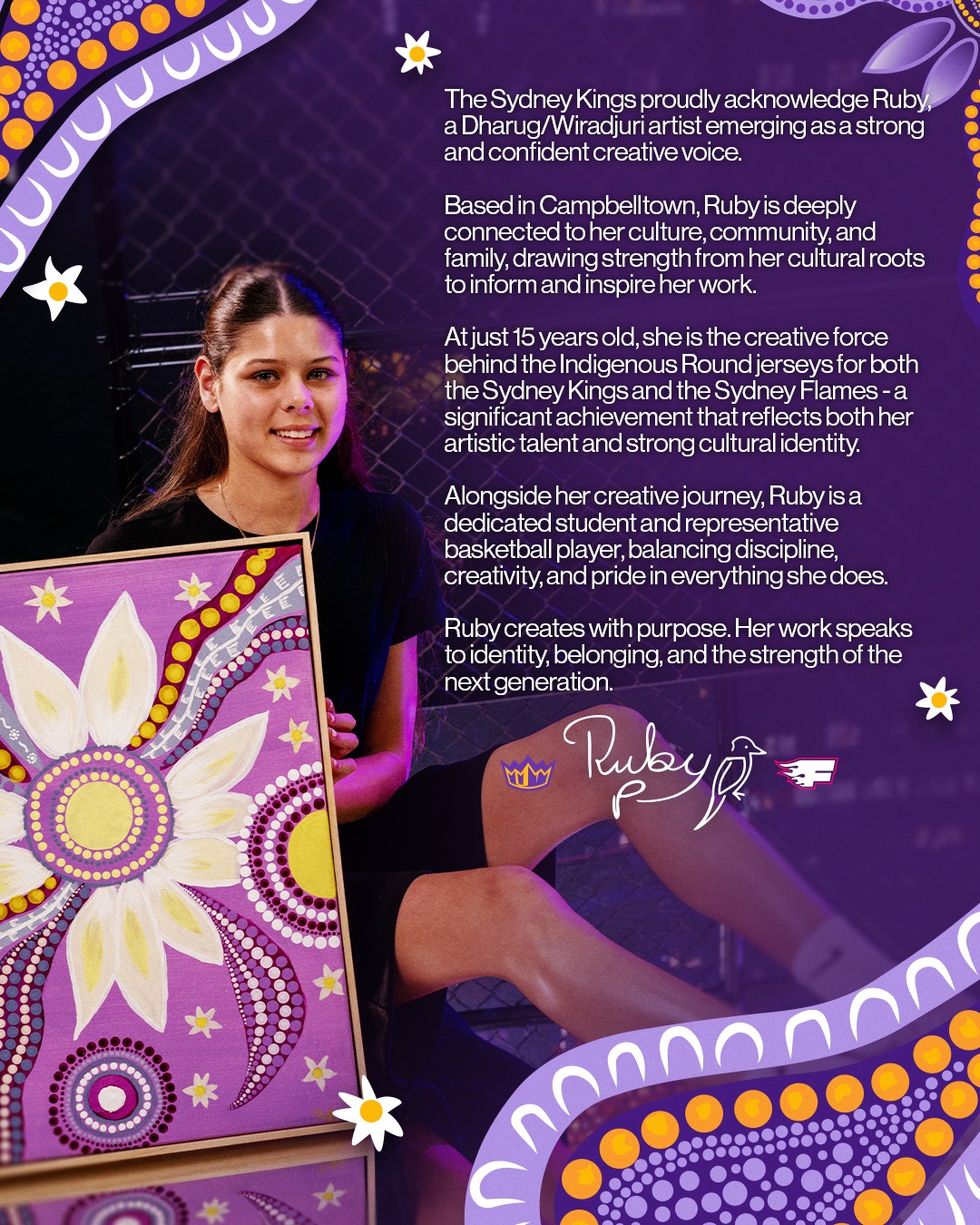
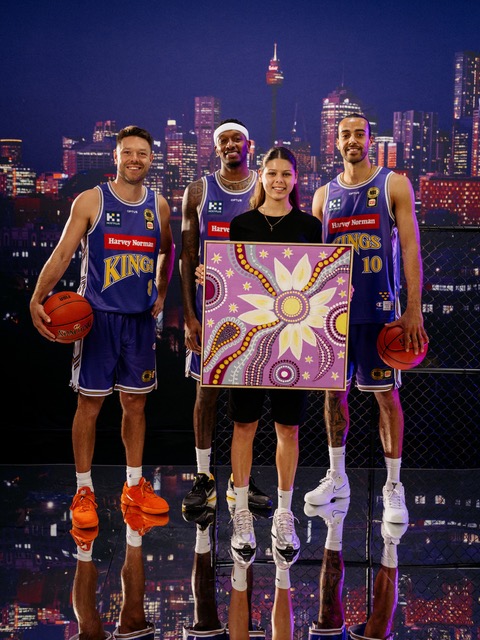
Dharug and Wiradjuri artist Ruby Prasad has designed the Sydney Kings' Indigenous Round jersey, bringing together her cultural identity and passion for basketball.
The Campbelltown-based student and representative basketballer has created an artwork titled Talara'Tingi, meaning Gathering Strength, which will also feature on the Sydney Flames' jersey.
Her design centres on the flannel flower, a symbol of resilience and healing for Dharug people and an emblem of Aboriginal mental health awareness.
A central meeting place represents community, while surrounding petals and songlines depict cultural connections and shared journeys.
The Kings' uniform features the artwork's name and Ruby's signature.
"The flannel flower means so much to me because it represents my ancestors, healing, strength and resilience," Ms Prasad said.
"I wanted to use it as these strengths are also what make a successful basketball team."
Tasmania JackJumpers - Lutruwita (Tasmania)
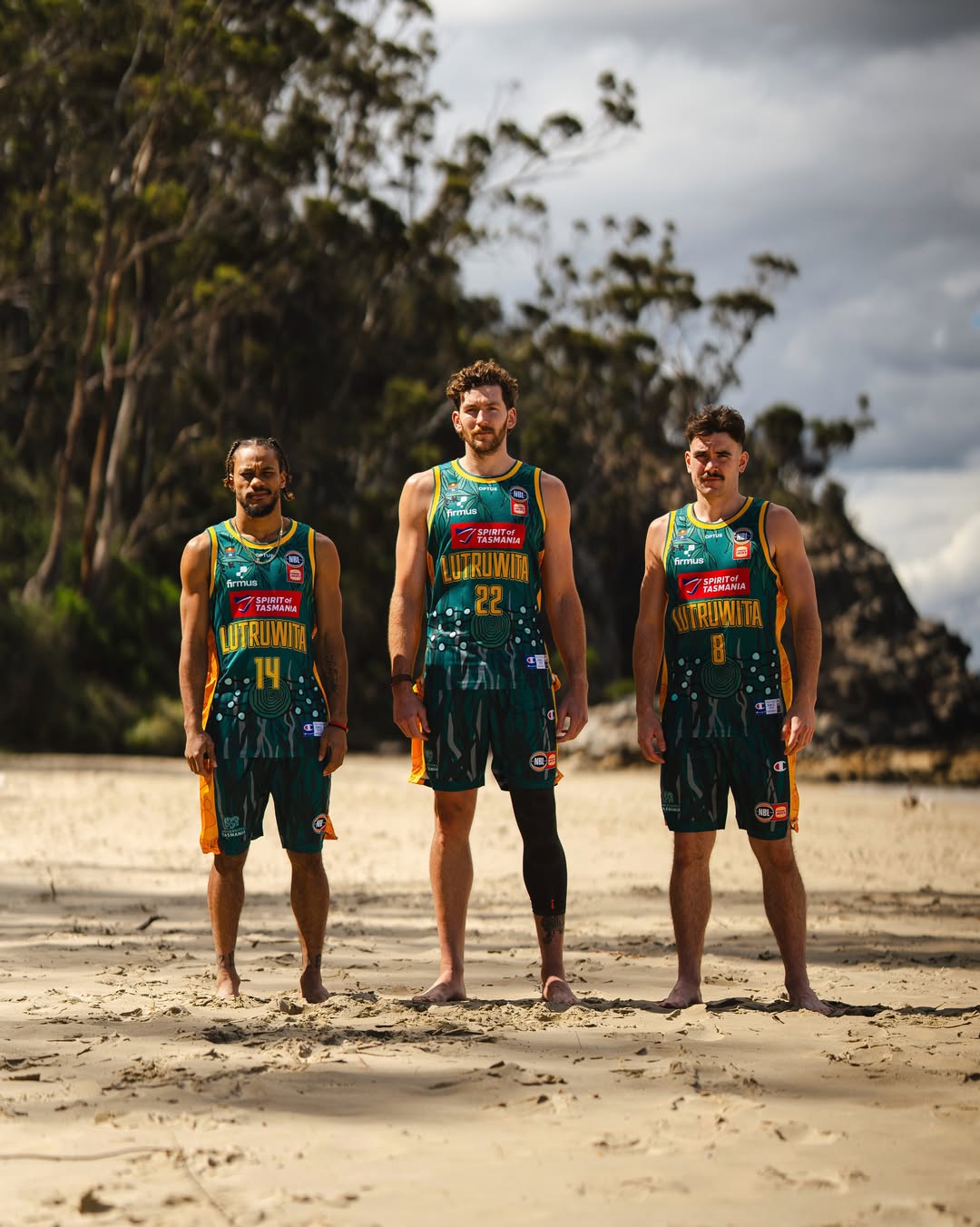
Palawa artist Carly Grey has designed the Tasmania JackJumpers' Indigenous Round jersey, drawing on her connections to Lutruwita and its cultural landscapes.
Raised on Tasmania's North West Coast, Grey began painting in 2021 as a way to strengthen her connection to culture and identity.
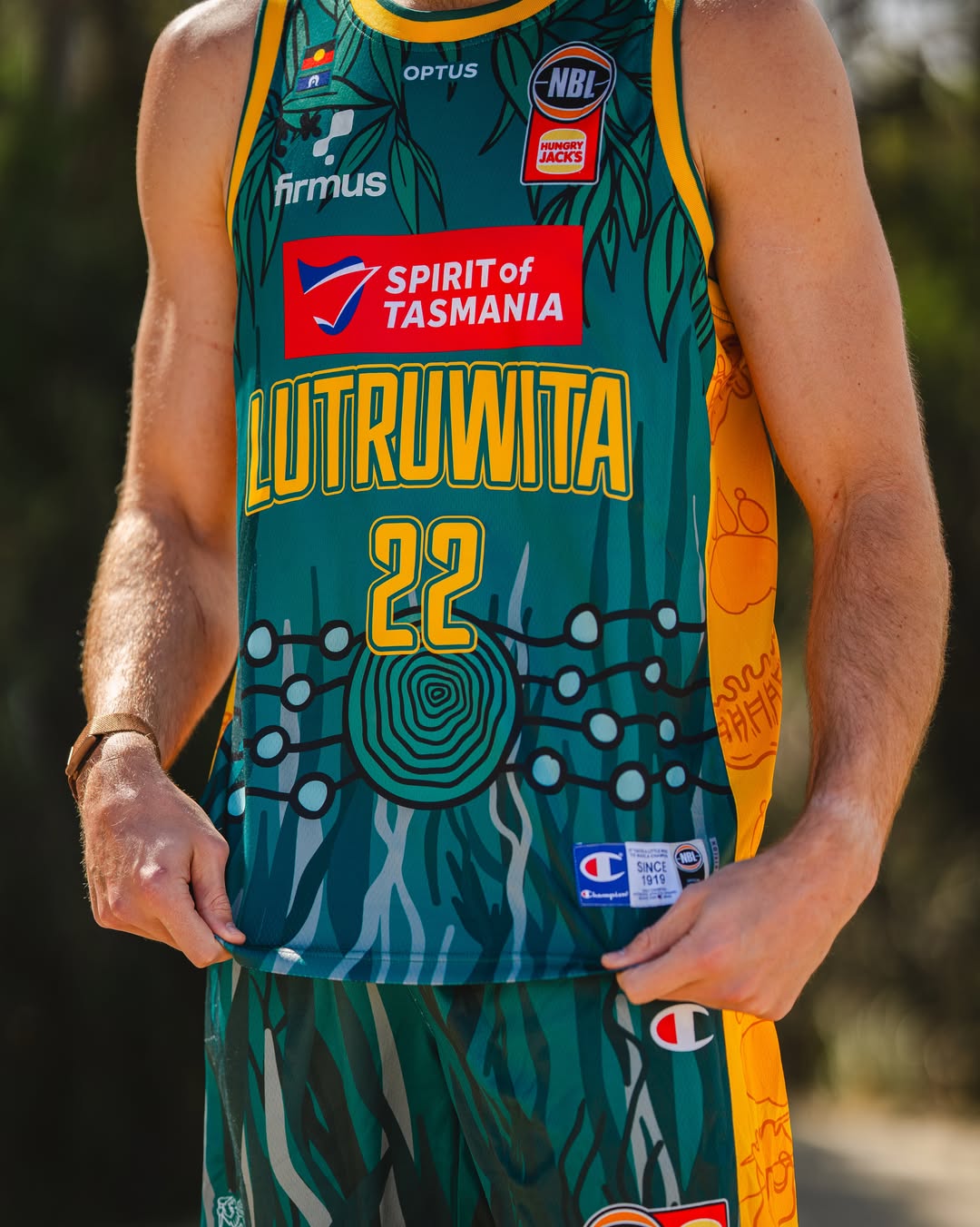
Her design features flowing kelp, representing the importance of the sea to Tasmanian Aboriginal communities.
A central meeting place symbolises gathering and storytelling, while nine pathways acknowledge the nine traditional countries of Lutruwita.
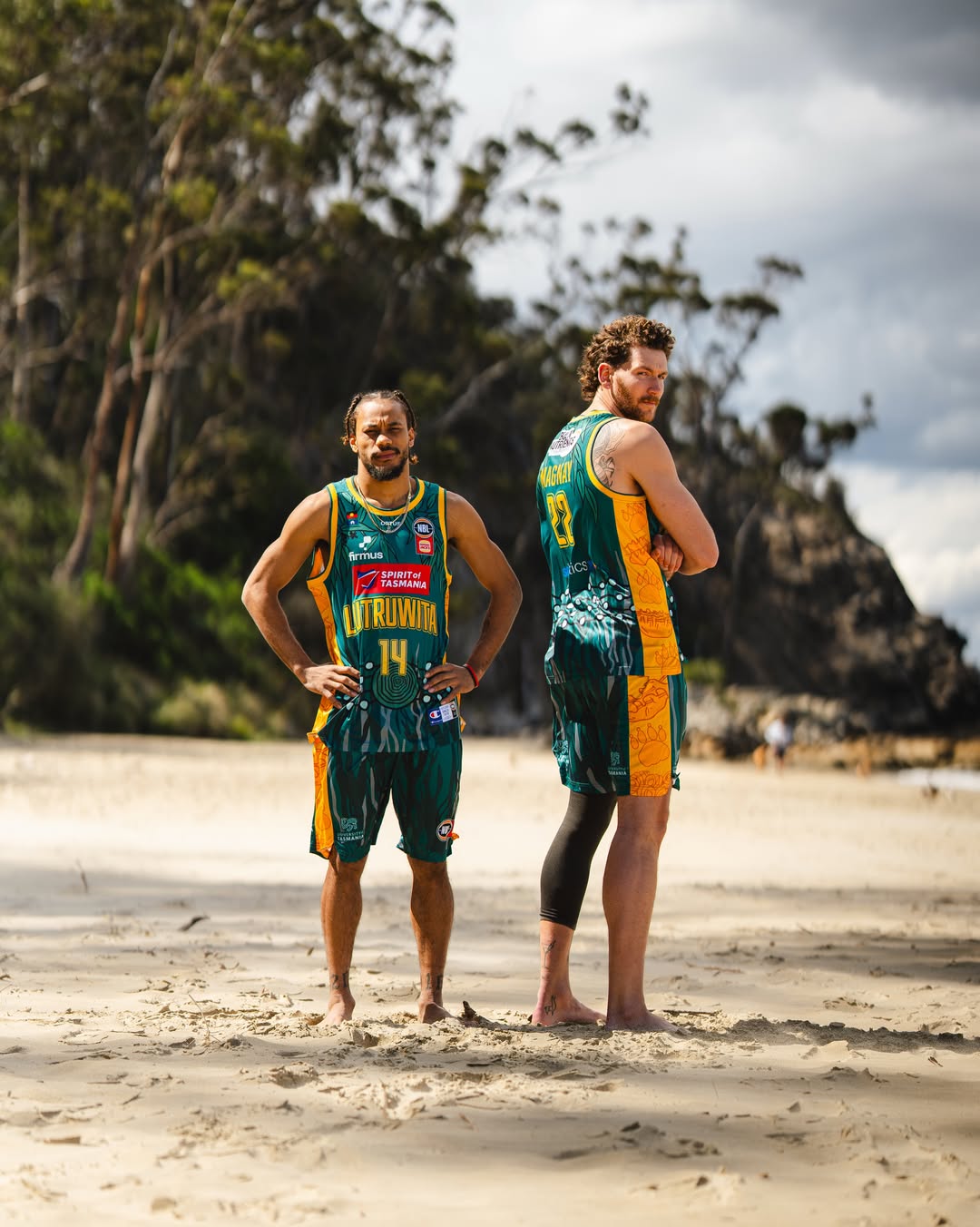
Rock carvings, Tasmanian tiger footprints and shell patterns also feature throughout the design.
Seven kelp carriers represent seven NBL Indigenous Rounds.
Grey's artwork notes explain the significance of the footprints.
"Along the sides, nine Tasmanian tiger footprints run vertically, symbolising strength, identity, and connection to lutruwita (Tasmania), while honouring the past," she said.
New Zealand Breakers - Aotearoa (New Zealand)
The New Zealand Breakers are the only NBL club yet to reveal their Indigenous Round jersey for the 2026-27 season.
The club's design and accompanying artist story are expected to be announced separately.
WNBL uniforms are being rolled out, with more expected to be announced by the end of the week.
The NBL's Indigenous Round will take place during Round 10, from 18 to 22 November 2026, with fans able to find their local fixtures and purchase tickets through the NBL website.