



Australia's public health peak body has moved to include an Aboriginal and Torres Strait Islander body into its structure.
The establishment of Public Health Association of Australia (PHAA)'s First Nations Collective, outlined as a collective voice, passed a members vote with 98 per cent in favour at their annual general meeting on September 16.
Its formalisation required making a change to PHAA's constitution, and the related voting process to do so.
In a parallel to the proposed Voice to Parliament, the Collective will not dictate to the PHAA board, but it will require the board "to listen".
PHAA are Australia's non-government peak body advocating for and promoting health and wellbeing at the national population level, including policy, health campaigns and disease prevention, and represent more than 2,000 individual members across more than 40 professional groups.
The organisation's work is not focused at the local clinical level, such as doctors appointments and primary health care for individuals.
On their 12 person elected board sit four vice-presidents, one each for portfolios of policy, development, finance, and Aboriginal and Torres Strait Islander.
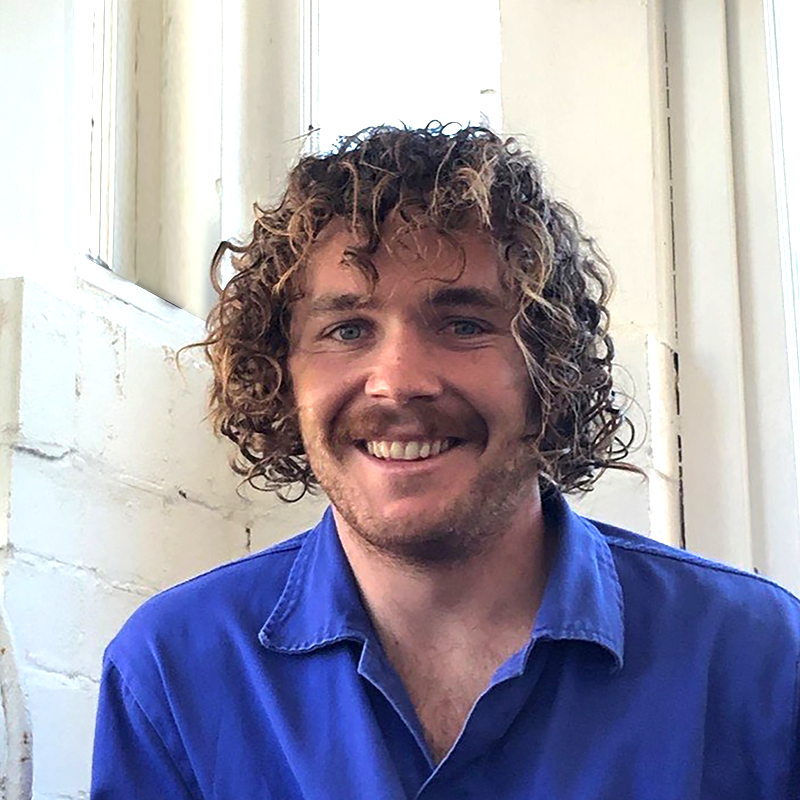
Yorta Yorta woman and University of Wollongong Associate Professor Dr Summer May Finlay is the board's incoming vice president (Aboriginal and Torres Strait Islander).
The Collective voice "is an opportunity to ensure that Aboriginal and Torres Straight Islander people have a voice on matters that impact them in the public health space," Dr Finlay told National Indigenous Times.
"What we hope to do is to amplify the voices of our members, the organisation, and even non-members, to make sure that Aboriginal and Torres Strait Islander people really are having an opportunity to be heard."
Dr Finlay said at its core, the constitutional change mandates the PHAA to have a First Nations voice, and to allow that voice to be independent.
.jpg)
Still at the establishment phase, its implementation and next steps will go back to the proposal's Co-Design Project team.
Beginning work in 2023, the 10 person group included Voice to Parliament key architect Professor Tom Calma as one of two Elder Governors, and a co-design strategy group which included Dr Finlay, mentees and was led by previous PHAA vice president (Aboriginal and Torres Strait Islander) and Truwulway woman Dr Alana Gall.
Dr Finlay, who will co-vene the group, says a consultation plan is likely to be produced, and is hopeful of seeing an executive group created going forward.
In practice, the Collective and executive aren't intended as "the be all and end all and all things Aboriginal" but to be the driver of "how we ensure Aboriginal and Torres Strait Islander people, more broadly, are involved in public health conversation".
"The voice is aiming at making sure that recommendations that (PHAA) put up meet the needs of our mob," Dr Finlay said.
"So it will really clearly be able to say to public health associations 'These are the solutions. This is the need', driven by and for Aboriginal and Torres Strait Islander people."
Dr Finlay added actions will still require support from politicians, public servants and non-government organisations to listen.
"Exactly like the referendum. It's not dictating (to PHAA)...but it requires them to listen - so to create opportunities to hear those perspectives…and also ask us our perspectives on matters as well. I think we have a two-way process," Dr Finlay said.
The collective will also rely on resourcing, and funding into a non-government organisation.
A "huge amount of work" was completed by the co-design project team leading into last month's near-unanimous decision, co-design project lead Dr Alana Gall said.
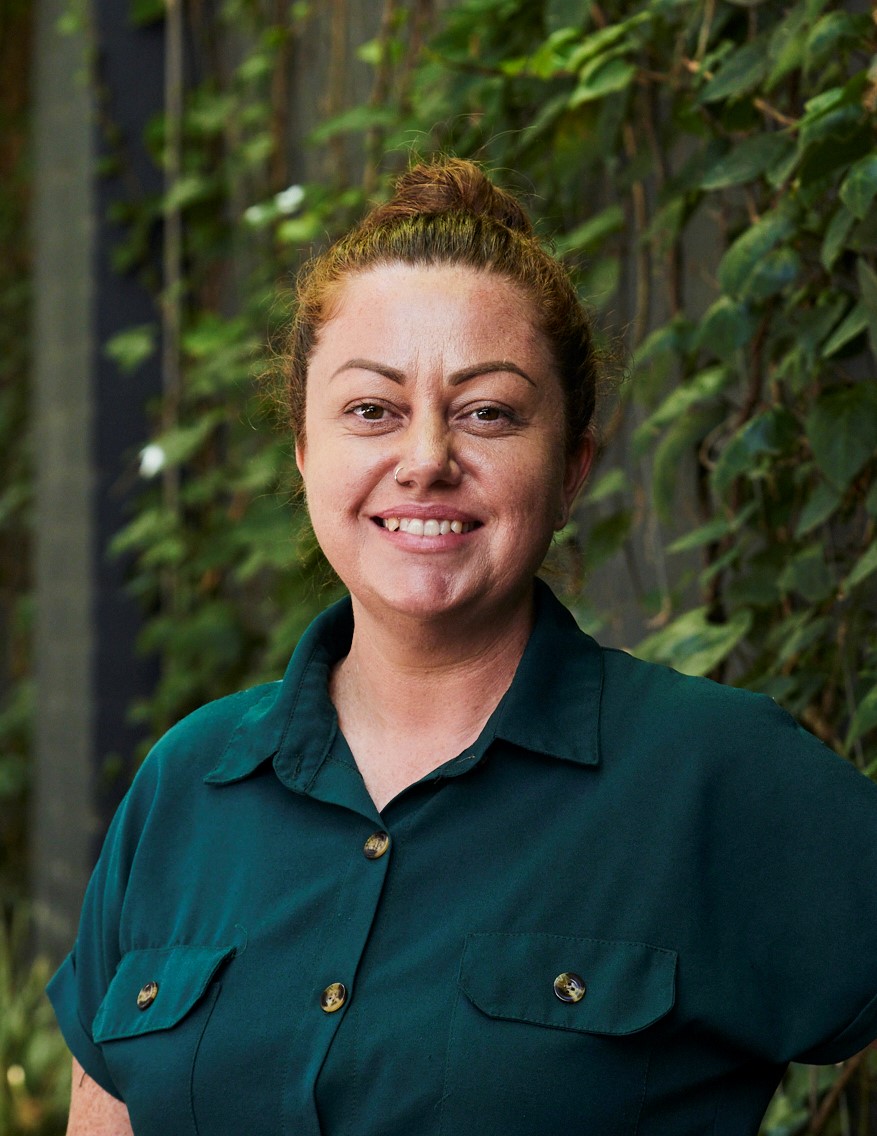
"To see it accepted by most of the PHAA membership gives me hope post the failed Voice referendum, and makes all the hard work worth it," Dr Gall said.
PHAA president Professor Caroline Miller added: "The country may have chosen in late 2023 to not accept the invitation to create a voice to parliament, but the PHAA has chosen to proceed with an Aboriginal and Torres Strait Islander voice to its operations."
"We are grateful to the Collective team to their many years of deliberations, and look forward to incorporating it into our organisation, and being guided by its vital work."
PHAA have outlined their continued support for the Uluru Statement from the Heart, and Makarrata (Treaty).
Dr Finlay said PHAA have shown "genuine leadership" she hopes other non-govenment organisations can follow.
"And I also see this as an opportunity for the (PHAA) membership to really start hearing from Aboriginal and Torres Strait Islander people in a way we haven't before, and really prioritising that," she said.
"I think it's a win for everybody."



