



Indigenous Queenslanders are experiencing more than double the rate of a highly preventable cancer, with a new report linking persistent inequality to higher rates of liver cancer and viral hepatitis.
The report from Hepatitis Queensland and Cancer Council Queensland found Aboriginal and Torres Strait Islander people in Queensland experience 2.5 times the incidence of liver cancer compared to the non-Indigenous population.
For Aboriginal and Torres Strait Islander people, the mortality rate has reached 12.8 deaths per 100,000 people each year, compared with 4.9 for non-Indigenous Queenslanders.
Both organisations say there is a clear opportunity to reduce preventable liver cancer through improved testing, treatment and culturally safe community outreach.
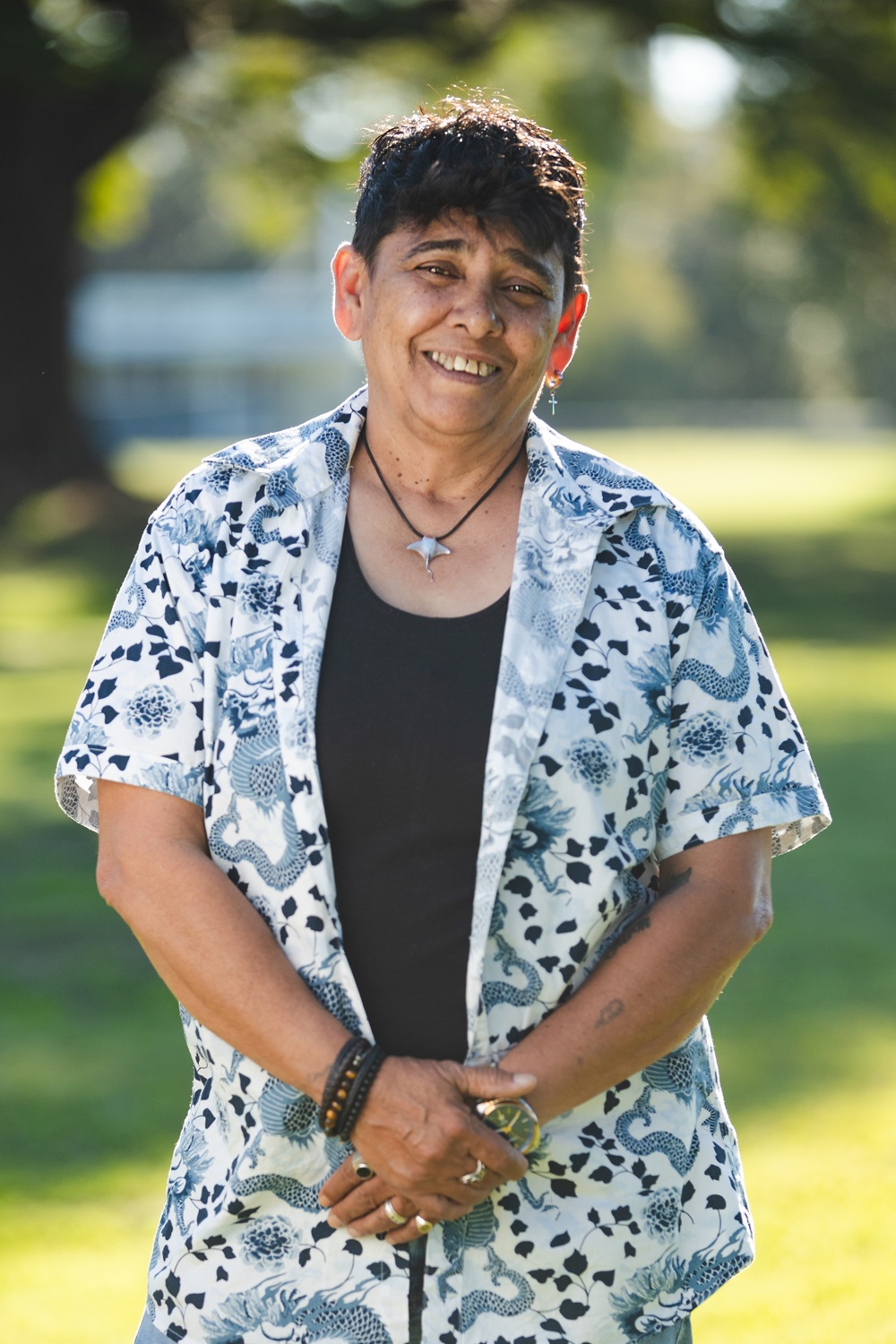
Wuthathi woman and Hepatitis Queensland Cultural Lead, Nicky Guivarra, who was cured of Hepatitis C, said more needed to be done in communities.
"We're not addressing it enough in communities, from testing to follow-ups after treatment," Ms Guivarra said.
"You may actually have to ask for Hep B and Hep C testing for the health check. Most people don't know to ask that."
Viral hepatitis is responsible for around half of all liver cancer cases, mortality of which has tripled since across Queensland the 1980s.
Hepatitis B can be prevented with a vaccine and managed with treatment, while Hepatitis C can be cured with daily tablets over two to three months.
About one in every 55 Indigenous people in Queensland lives with chronic Hepatitis B, although prevalence has declined since universal immunisation was introduced in 2000.
Hepatitis C remains a significant public health issue in Queensland, with more than a quarter of notifications coming from Indigenous people despite making up 4.6 per cent of the population.
Hepatitis Queensland's 'Strong Liver, Strong Mob' initiative aims to raise awareness about viral hepatitis and encourage Aboriginal and Torres Strait Islander people to yarn with health services about testing and treatment.
Ms Guivarra works with communities through storytelling and sand art, using clear language while sharing her own experience of treatment.
She said culturally grounded communication helped people understand the role of the liver.
"I tell people the liver is the most amazing organ in your body - it cleans the blood, and that resonates in our cultures as bloodlines are very important," Ms Guivarra said.
"People need to understand how hepatitis is transmitted from person to person."
She said awareness also needed to include clear information about transmission and safer health practices.
"For Hepatitis B, this includes unprotected sex, transmission from mother to baby during childbirth, and other forms of blood-to-blood contact," Ms Guivarra said.
"Hepatitis C is transmitted from blood-to-blood contact, so it's important to provide people who inject drugs with services and support in the community. We can't afford an approach that simply tells people to stop, because the reality is that would mean losing contact with people.
"We also need to be teaching people how to safely practise things like tattoos, which can be a transmission source when sharing equipment."
Other risk factors for liver cancer include smoking, alcohol use and being overweight or obese.
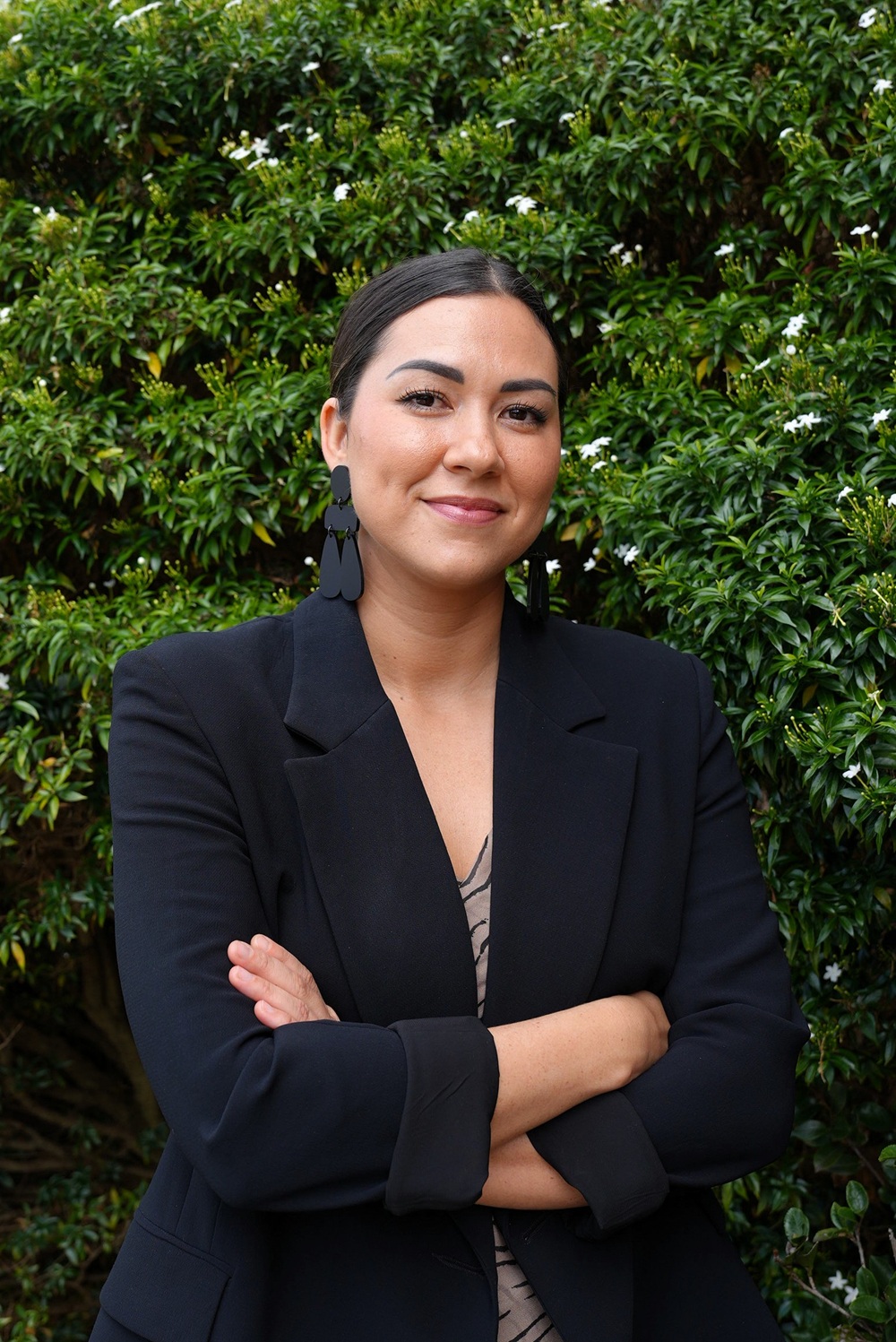
Walman Yawuru woman and Cancer Council Queensland COO, Mena Waller, said targeted action could help reduce preventable liver cancer.
"With targeted action and sustained commitment, Queensland has a clear opportunity to reduce preventable liver cancer and improve outcomes across the population, particularly amongst at-risk groups including First Nations communities," Ms Waller said.
"I have seen, particularly in remote communities, how hard it is to manage treatment of cancers like liver cancer.
"It's one of a number of cancers that disproportionately impact Aboriginal and Torres Strait Islander people."
The report recommended co-designed culturally safe screening, surveillance and treatment pathways.
It also called for investment in community or peer navigators, interpreters and bilingual health workers to support care engagement.
Local Hepatitis B and C awareness programs delivered through trusted community organisations and Aboriginal and Torres Strait Islander health services were also recommended.
Ms Waller said Aboriginal Community Controlled Health Organisations were already doing important work, often while underfunded and under-resourced.
"We need to acknowledge the hard work that's being done across the sector, and in particular by Aboriginal Community Controlled Health Organisations (ACCHOs) that are often underfunded and under-resourced while approaching health in culturally grounded and holistic ways," Ms Waller said.
Information and support is available from Hepatitis Queensland on 1800 437 753.



