



A Tasmanian council has rejected a committee motion to end Acknowledgement of Country statements at its meetings.
The Northern Midlands Council struck out the request made by the Morven Park Management Committee (the Committee) at a Council meeting last week.
In a written submission the Committee asked for Acknowledgment of Country statements to be made optional or removed from its meetings entirely, arguing the acknowledgement was "divisive and offensive to the 97 per cent of Australians not of Aboriginal heritage".
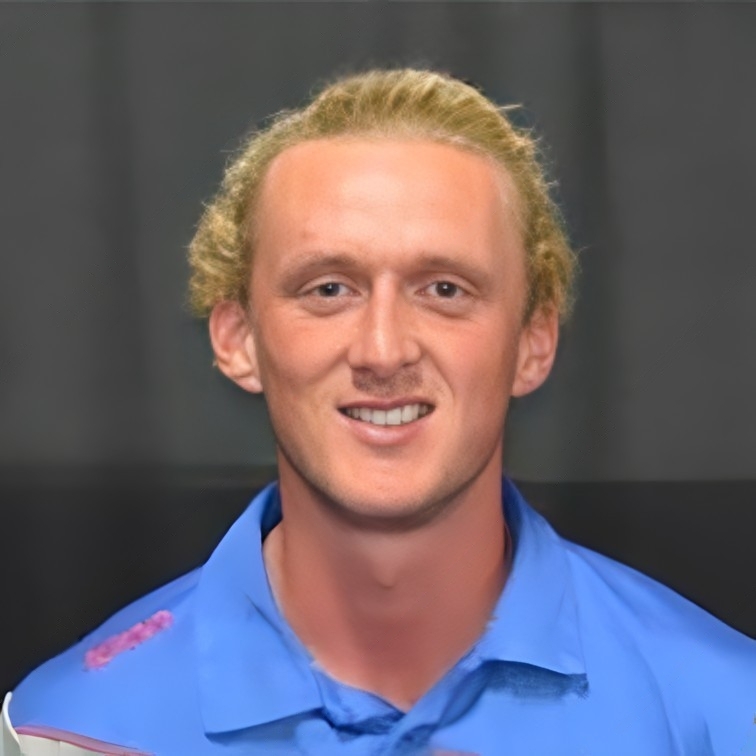
The requests from the Evandale-based group was struck out 6-2, with councillors Matthew Brooks and Paul Terrett voting in favour.
Mr Terrett said committee members were prepared to resign over the issue.
"Many members of that committee have said that they will resign from the committee if they are forced to sign an agreement that has Acknowledgment of the Country in it," he said.
Arguing members should be allowed the choice, Mr Terrett said a forced acknowledgment "becomes a bit of tokenism".
"Making people do things that they fundamentally don't agree with is not a thing we do in a democracy," he said.
Opposers to the request included former Labor MP Dick Adams, who said recognising Aboriginal people's connection to Country was "the minimum thing to do".
The former longtime Federal member for Lyons said failing to acknowledge this was "a failure of education, failure of people who just don't like Aboriginal people or people who are different".
The Committee's request is the latest in a spate of movements to end Acknowledgement of and Welcome to Country practises at local council level across Tasmania.
In May, 2025 Flinders Island councillor Garry Blenkhorn moved a motion to remove Welcome to and Acknowledgment of ceremonies from council proceedings, saying Australians did not want "separatist development" and there was growing discontent surrounding the ceremonies.
Mr Blenkhorn's motion, which had been discussed by Council prior to the meeting, was resoundingly rejected.
The following month an attempt from councillor Louise Elliot to remove Aboriginal acknowledgements from Hobart City Council meetings and events was also defeated.
At the time Cr Elliot —who was suspended last week for two months following a Code of Conduct panel finding over her social media activity — argued the concept of Country was a "spiritual belief" for Aboriginal peoples while likening Welcome to and Acknowledgement of Country ceremonies to "religious rituals".
Following Ms Elliot's unsuccessful motion, Elder Rodney Dillon said he was saddened to hear of Cr Elliot's proposal while highlighting the importance of such ceremonies for the purpose of reconciliation.
"It's acknowledging the history of our past and where we're going so we can go ahead better in the future," Mr Dillon said.
"I think better understanding our history and our culture, where we've come from to where we are here today, I think is very important."
Speaking to National Indigenous Times last year, Mr Dillon suggested those opposed to Welcome to and Acknowledgement of Country ceremonies may not have an understanding "of the real history" experienced by Aboriginal people following Australia's colonisation.
"That's why we talk about Truth-telling in this country, and how it's caused our people to be where they are today," he said.
"We've brought a lot of people along and made people better understand our history and culture and Welcomes to Country do play a role in that as well."



