



National Indigenous music Awards Hall of famers Yothu Yindi have been honoured with a new display in the Australian Music Vault.
"Few musicians have had as profound an impact on Australia's cultural and political knowledge as those in Yothu Yindi. The Hall of Fame spot [has been] awarded to Yothu Yindi for their long and powerful contributions to Indigenous and Australian music," NIMA said in a statement.
The display will highlight some of Yothu Yindi key achievements over the years, present in array will be tour posters dating back to 1991 when Yothu Yindi were at the height of their fame.
This includes the poster for Yothu Yindi's Tribal Voice tour with special guest Deborah Conway (1992), the poster for Yothu Yindi's One Blood European tour (1999), a poster for their performance at The Club in Collingwood with special guests Dead Things (1991), among other objects.
Olivia Jackson, Curator at the Australian Music Vault, said one of her earliest memories was seeing Yothu Yindi on stage.
"My parents took me to my first ever gig to see Yothu Yindi playing at the Sidney Myer Music Bowl when I was three-years-old," she said.
"One of my earliest memories is sitting under the awnings on the old wooden benches while this incredible band performed their album Tribal Voice. I have carried this experience with me and feel so lucky to have seen such an incredible performance.
"I was so excited to learn they would be inducted into the NIMA Hall of Fame; their contribution to Australian culture cannot be understated and the objects in this display tell a small part of the story of their incredible contribution to Australian culture."
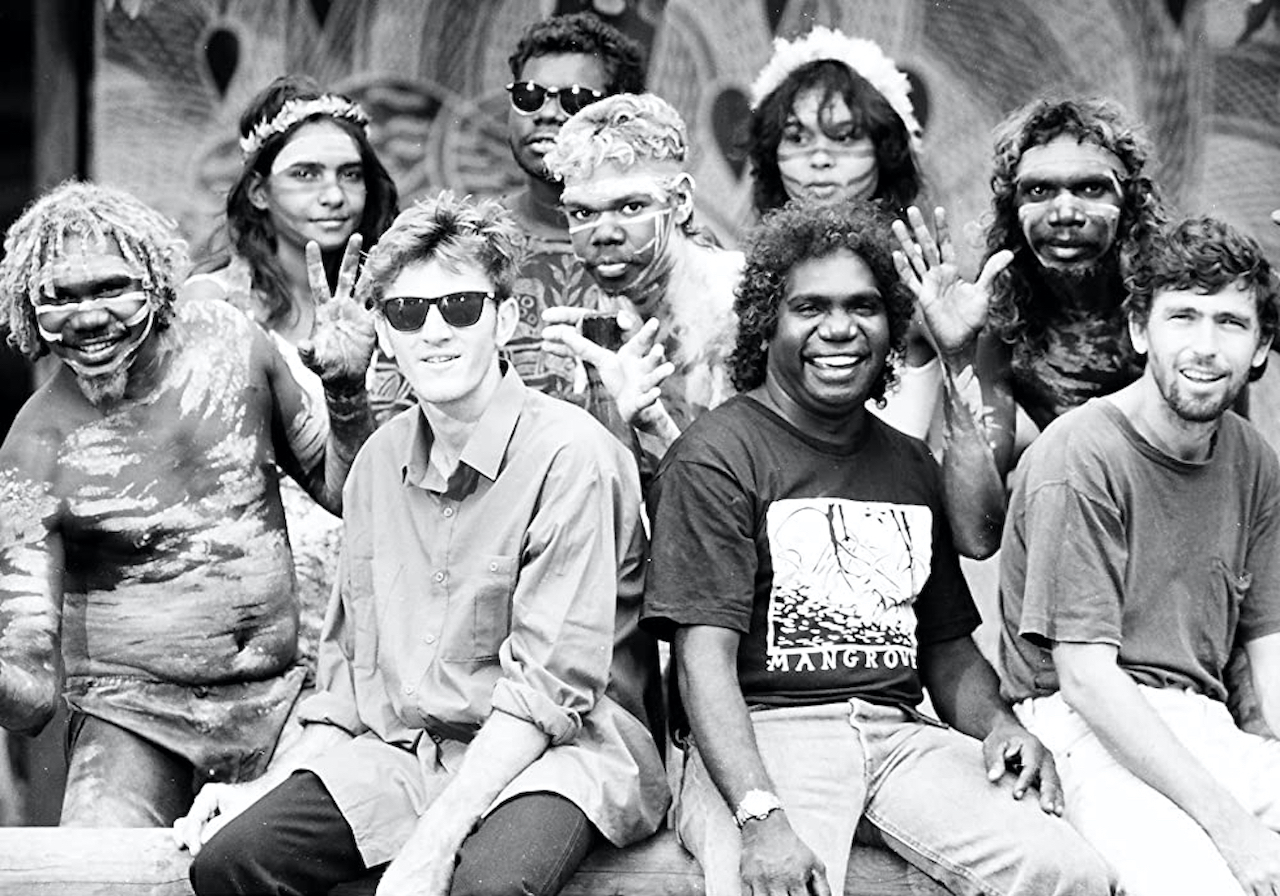
When Yothu Yindi hit the radio there wasn't anyone like them, the band is known for breaking boundaries with their music blending western folk and rock instrumentation with song cycles from north-east Arnhem Land using instruments such as bilma (ironwood clapsticks) and yidaki (didgeridoo).
(Image:Getty Images.)
Formed back in 1986 in the Yolŋu homelands, situated in north-east Arnhem Land (Northern Territory), Yothu Yindi represent the coming together of two cultures.
Two bands merged together Balanda (non-Aboriginal) group Swamp Jockeys and an unnamed Aboriginal folk group consisting of Mandawuy Yunupingu, Witiyana Marika and Milkayngu Mununggur.
Frontman Mandawuy Yunupingu, led the band and in 1988 Yothu Yindi recorded their first album, Homeland Movement, recorded in a single day, the album won them a record contract with Mushroom Records.
Their second album, Tribal Voice (1991) featured their most well known singles 'Djapana' and 'Treaty', which was written in response to the broken promise made by Australian Prime Minister Bob Hawke to complete a Treaty with Australia's First Peoples before his term was up.
'Treaty' was the first song in an Aboriginal language to chart in Australia and overseas. The album went double platinum and the remix by Filthy Lucre spent 22 weeks in the Australian charts and won multiple ARIA Awards, including Song of the Year.
Over the following years, Yothu Yindi released six studio albums and went on to do extensive national and international tours performing on Glastonbury Festival's Pyramid Stage.
At the 2000 Sydney Olympic Games they performed for the closing ceremony and at the United Nations building in New York in 1993 to celebrate the International Year of Indigenous Peoples.
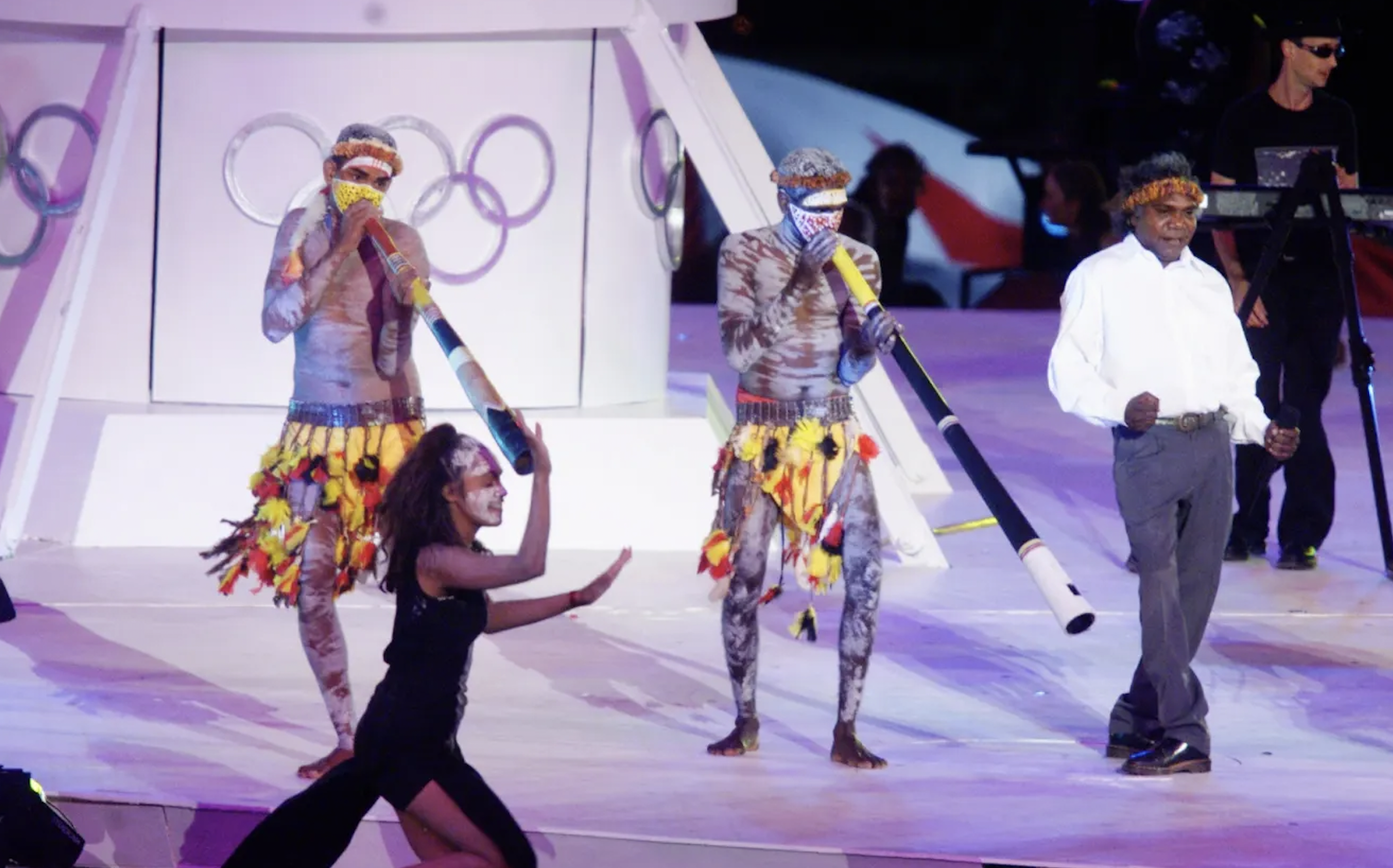
They were inducted into the ARIA Hall of Fame in 2012.
Yothu Yindi have won eight of their 14 ARIA Award nominations and in 2017, a new generation of artists joined original members to form Yothu Yindi and The Treaty Project, which aims to bring their powerful message of Treaty to a new audience.
The impact of Yothu Yindi is still present and have influenced bands today like King Stingray, whose members Yirrŋa Yunupiŋu, is the nephew of Yothu Yindi frontman Dr Mandawuy Yunupiŋu AO and member Roy Kellaway, is the son of the group's bass player, Stu Kellaway.
Since 2004, the NIMAs have been recognised as one of Australia's most prominent music awards celebrating Indigenous music and showcasing the diverse range of Australian musicians.
The Hall of Fame celebrates the lifetime achievements of emerging and established artists with previous inductees including Kutcha Edwards, Vic Simms, Archie Roach, Tiddas, Wilma Reading, Jimmy Little and Gurrumul.
Since opening its doors in December 2017, the Australian Music Vault has honoured each NIMA Hall of Fame inductee with a display and featured essays.
The Australian Music Vault has been developed as a celebration of the Australian contemporary music story – past, present and future.
The free exhibition and a key initiative of the Victorian Government's Music Works strategy, in support and collaboration with the music industry.



