




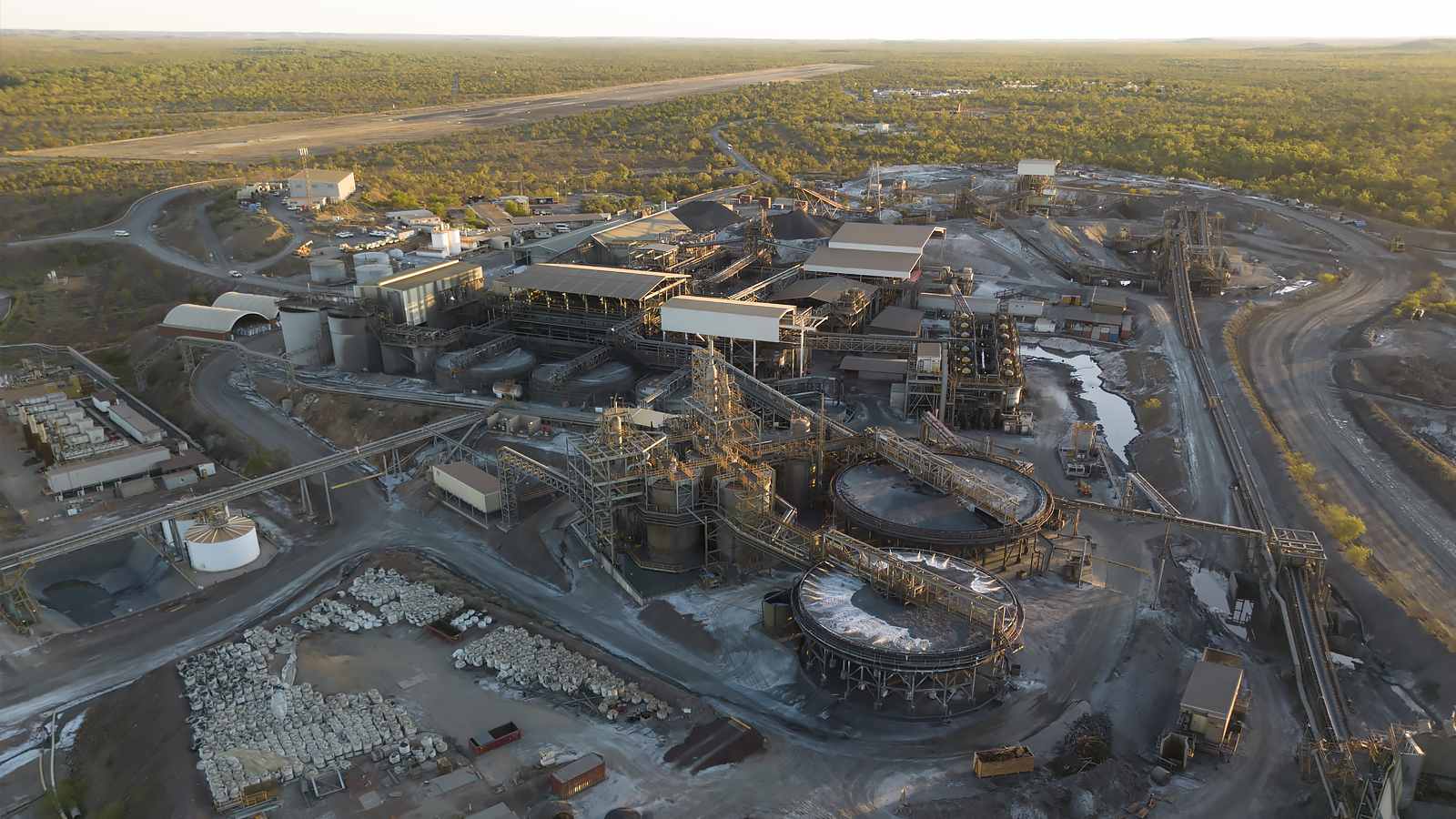
The Federal Court has ordered the Northern Territory to pay more than $54 million in compensation to Traditional Owners over the development of the McArthur River Mine, operated by Glencore, near Borroloola.
In a decision delivered on Friday in Davey on behalf of the Gudanji, Yanyuwa and Yanyuwa-Marra Peoples v Northern Territory, the Court found the Territory was liable to compensate the Gudanji, Yanyuwa and Yanyuwa-Marra Peoples for the extinguishment and impairment of native title rights.
The liability arose from acts that enabled the open-cut mine, the Bing Bong port and associated infrastructure.
The award includes $54 million for cultural loss and $743,408 for economic loss, plus interest.
In her reasons, Justice Katrina Banks Smith said there was "no doubt" the impact of the mine and port was felt beyond the physical footprint of the project.
"It is intergenerational and is enduring," she said.
"Sometimes the site of the pain is not the site of the injury."
The judge found the diversion of the McArthur River and development of the open-cut mine had caused "irreversible disturbance of dreaming sites and routes", and left the claim group unable to stop that disturbance or continue to protect those dreamings.
"This diminution of traditional connection to country, to receive from country and to take care of country is compensable loss," Justice Banks Smith said.
"By the compensable acts, an open cut mine and a port have been developed on the claim group's country, with resulting and ongoing cultural loss. In the end, that is no small thing."
It is only the second successful Native Title compensation ruling in Australia, following the High Court's Timber Creek decision.
National Native Title Council CEO, Jamie Lowe, said Native Title holders are not treated fairly when their compensation rights are breached.
"Native Title holders are entitled to compensation when their rights are impaired. In practice, though, traditional owners face decades long, expensive and time consuming battles through the courts to access compensation owed to them," Mr Lowe said.
"Hundreds of traditional owner organisations are owed compensation for passing continuing acts. Governments collect billions in mining revenue while systematically avoiding paying compensation over to Traditional Owners.
"Today's decision demonstrates why we need a national compensation framework that delivers fair and timely redress."
The ruling follows decades of dispute over the zinc, lead and silver operation, which sits on one of the world's largest deposits and includes the Bing Bong Port facility on the Gulf of Carpentaria.
Gudanji man Casey Davey, who brought the proceedings on behalf of the Native Title holders, has long argued that the mine's expansion — including the diversion of the McArthur River and the establishment of an open-cut pit — damaged culturally significant sites.
"Our totem is right there where they dug up the dirt for the river diversion and the open cut," Mr Davey said previously.
The McArthur River Project was initiated in 1992 after an agreement between the Northern Territory Government and Mount Isa Mines, enabling the establishment of the mine and export infrastructure.
In 2007, Native Title holders successfully challenged the Territory's approval to convert the mine from underground operations to open-cut mining. The NT Government responded by passing legislation to validate the expansion.
The following year, Traditional Owners successfully challenged federal environmental approvals. A separate approval was later granted, allowing the project to proceed.
In 2020, the Territory approved a further expansion of the mine.
Throughout that period, the Northern Land Council — acting on behalf of the Traditional Owners — maintained that the social, environmental and cultural impacts of the project had not been adequately addressed.
In August last year, Traditional Owners from the Gundanji, Yanyuwa, Garrwa and Marra peoples signed a Cultural Heritage Management Agreement with Mcarthur River Mine.
Meaning they now have a formal role in how cultural sites are identified, protected and managed at the McArthur River Mine.



