

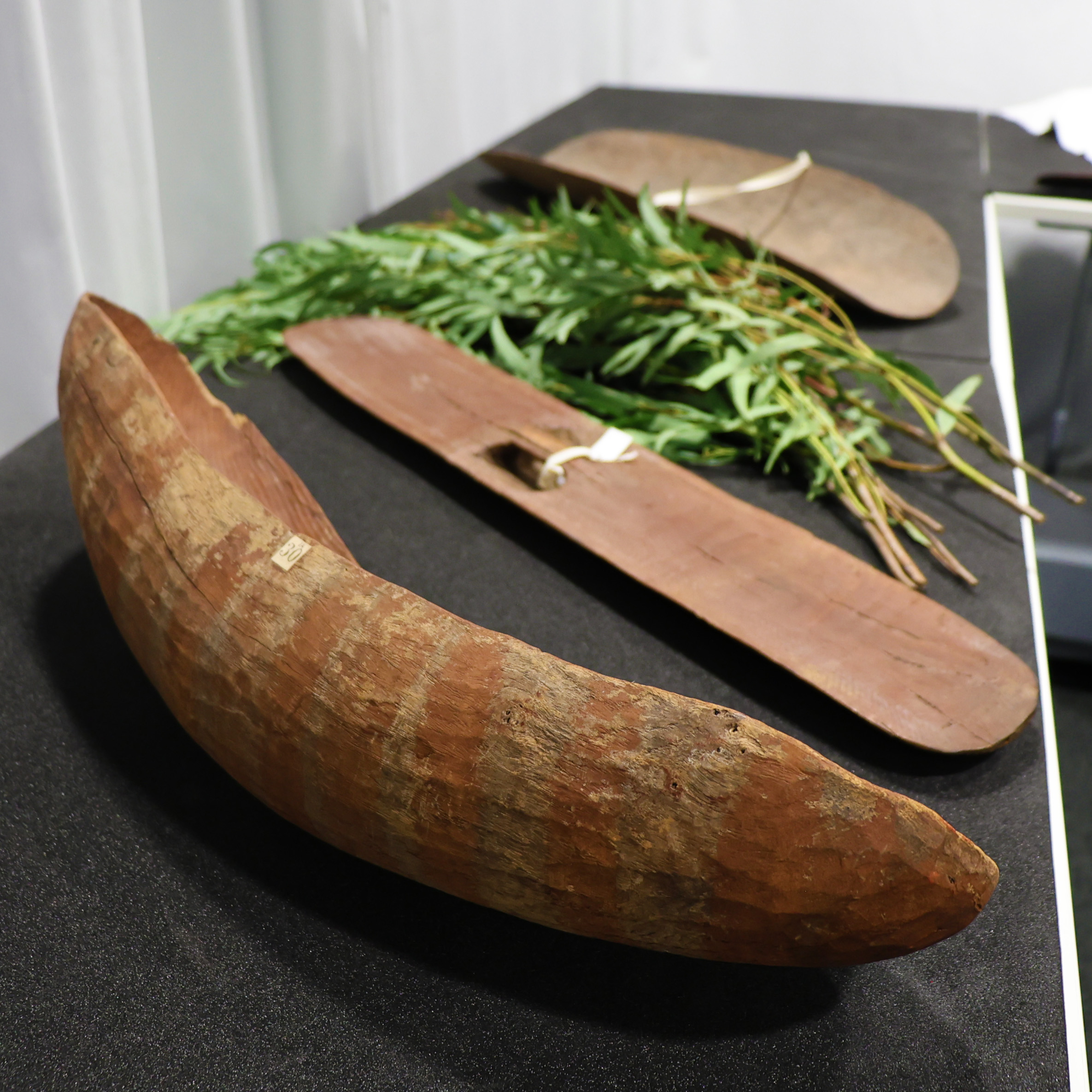
Traditional shields, digging sticks, bowls, clubs and sacred ceremonial objects belonging to the Karajarri People of Western Australia's Kimberley region are set to return home after almost 100 years overseas.
The significant repatriation follows a three-year partnership between Karajarri Elders, the University of Aberdeen and the Australian Institute of Aboriginal and Torres Strait Islander Studies (AIATSIS), with extensive archival research helping pave the way for the return.
The University of Aberdeen, which has held the collection, announced the repatriation during a ceremony today at its Sir Duncan Rice Library in Scotland.
The event included speeches from Karajarri representatives, university leaders and Australian Government officials.
University of Aberdeen head of collections Neil Curtis said the repatriation was about more than the physical return of the objects, highlighting the importance of recognising the histories of museum collections and supporting communities to revitalise cultural knowledge and practices.
"This ceremony is not simply about the return of objects. It is about how addressing the legacies of museum collections can increase cultural understanding and support people and communities to revitalise cultural knowledge and practice," Mr Curtis said.
"We are delighted to welcome Karajarri representatives to the University. It is an honour to return the items directly to the community from which they originate, where they will continue to hold cultural significance and provide an important connection to Karajarri heritage."
The Karajarri People are the Traditional Owners of the lands extending from the south-west Kimberley coast into the Great Sandy Desert.
The collection was originally gathered around Bidyadanga, formerly known as the La Grange Mission, where Dr Piddington and his colleagues conducted their research.
The artefacts hold deep significance to the Karajarri People, carrying the stories, identity, knowledge and cultural connections of their ancestors.
The collection includes Karrpina (shields), Kaparah (bowls), Dalyi (clubs), Kana (digging sticks) and sacred men's ceremonial objects.
Karajarri Traditional Lands Association chief executive and Karajarri Senior Man Martin Bin Rashid said the return was a significant occasion for his people after generations had been separated from an important part of their cultural heritage.
"On behalf of the Karajarri People, I acknowledge the significance of this moment as we welcome home an important collection of our cultural heritage that has been away from our Country and our people for almost 100 years," he said.
"These objects are much more than museum items. They are part of who we are and carry the history, identity, knowledge and cultural connections of our ancestors. Their removal from Karajarri Country meant generations of our people were separated from an important physical connection to our cultural heritage.
"Their return is an important step towards restoring those connections and ensuring our culture, knowledge and traditions continue to be shared with future generations."
Mr Bin Rashid said the Association acknowledged the University of Aberdeen, AIATSIS, and the Australian Government's Return of Cultural Heritage program "for their support in making this return possible".
"We also recognise our Karajarri Elders and community members whose knowledge, leadership and cultural authority have been central to this journey," he said.
"For Karajarri people, this is about much more than bringing objects home. It is about reconnecting with our ancestors, strengthening our identity, reclaiming our cultural heritage and ensuring our children and grandchildren can learn from and connect with these important cultural treasures.
"Our culture remains strong despite the separation from these objects. Their return represents an important moment of recognition, healing and cultural renewal.
"We look forward to welcoming these treasures home to Karajarri Country, where they can be cared for in accordance with our cultural protocols and continue to hold their rightful place with our people.
"Our culture is living, our connection to Country is enduring, and our cultural heritage belongs with our people."
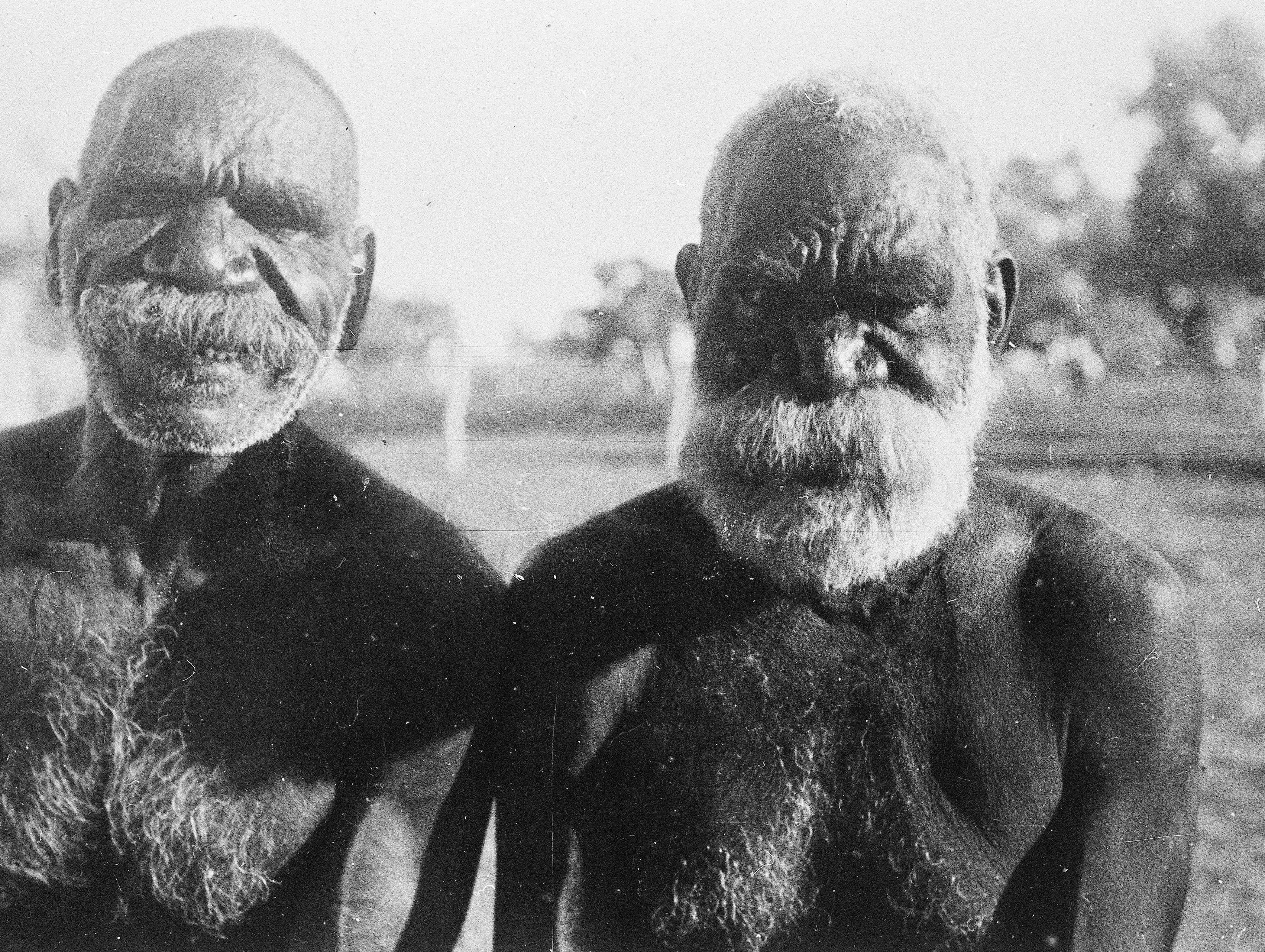
The objects were collected in 1930-31 by anthropologist Dr Ralph Piddington while conducting research in Western Australia as a student at the University of Sydney.
Following his research with the Karajarri, Dr Piddington raised concerns about racial discrimination against Indigenous Australians and was publicly reprimanded, an experience that influenced his decision to move to Scotland.
In 1939, he was appointed Lecturer in Anthropology and Keeper of the University of Aberdeen's museum, with several additional objects later donated to the collection.
The repatriation has involved three years of collaboration between AIATSIS's cultural heritage program, Karajarri Elders and the university, including detailed archival research into the collection's history.
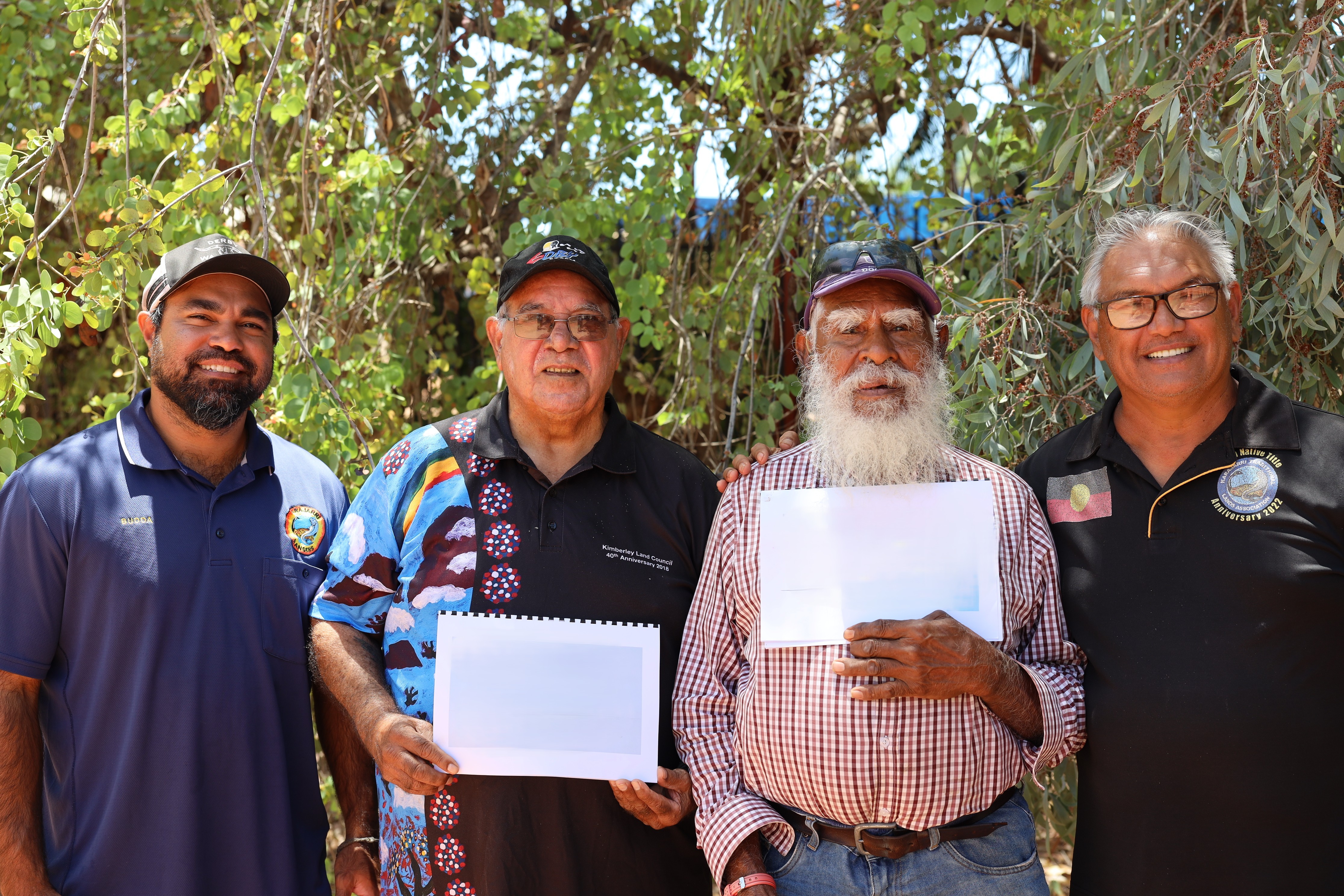
The ceremony was attended by Karajarri representatives Gordon Marshall and Patrick Kittimbolt, Australia's Deputy High Commissioner to the United Kingdom Elisabeth Bowes, University of Aberdeen Principal and Vice-Chancellor Professor Peter Edwards, and AIATSIS Chief Executive Officer Leonard Hill.
Australia's Deputy High Commissioner to the United Kingdom, Elisabeth Bowes PSM, also welcomed the repatriation and congratulated the Karajarri Elders, AIATSIS and the University of Aberdeen on their collaboration.
"The Australian High Commission to the United Kingdom welcomes the return of cultural items from The University of Aberdeen to the Karajarri people of Western Australia," Ms Bowes said.
"We congratulate Karajarri Elders, AIATSIS and The University of Aberdeen, whose commitment and collaboration over many years have made this important return possible.
"We are proud to support this important work, which contributes to shared truth-telling between Australia and the United Kingdom and to cultural healing and reconciliation for Australia's First Peoples."
The artefacts will eventually return to Karajarri Country, where they will be cared for according to traditional cultural protocols.
The University of Aberdeen has previously facilitated several high-profile repatriations, including the return of a Benin Bronze to Nigeria in 2021 and Tasmanian Aboriginal ancestral remains in 2025.
While there is no evidence to suggest the Karajarri objects were obtained unethically, the university said their return reflects its ongoing commitment to reviewing collection histories and working with source communities on the future care and ownership of cultural heritage.
Minister for Indigenous Australians Senator the Hon Malarndirri McCarthy welcomed the return, describing the handover in Scotland as an important acknowledgement of the role cultural heritage plays in truth-telling and healing.
"I welcome the return of these culturally significant objects to the Karajarri people of Western Australia's Kimberley region.
"This handover in Scotland, after many years of work, is an acknowledgement of the importance of cultural heritage material to truth-telling and healing.
"The Albanese Government remains committed to working with AIATSIS and First Nations communities to facilitate returns from overseas collections," Senator McCarthy said.
The objects will initially be cared for off Country before being welcomed home to Karajarri Country in accordance with the community's cultural protocols.