



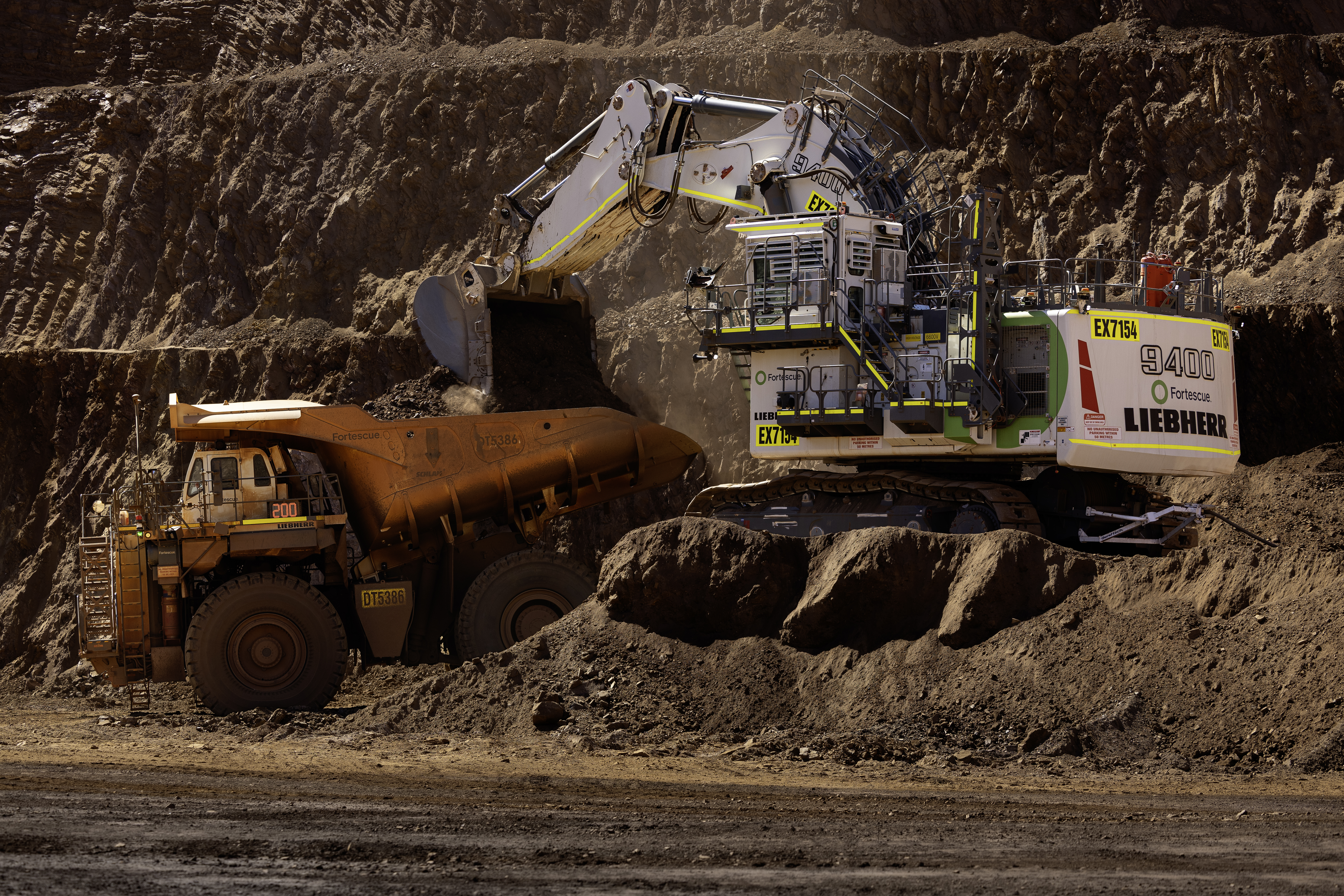
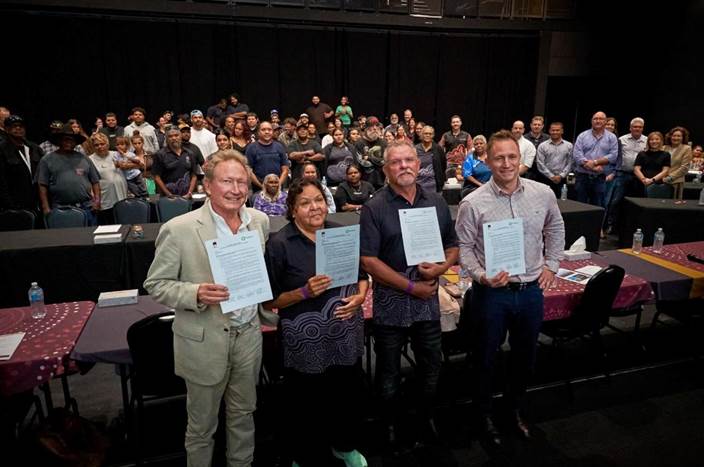
The Traditional Owners of Juukan Gorge will own the haul trucks and electric excavators that will be working onsite at Fortescue's Pilbara mines, via a leasing arrangement approved by the Puutu Kunti Kurrama and Pinikura (PKKP) community at a native title authorisation meeting in Karratha in June.
Key points
● The Traditional Owners of Juukan Gorge will now own the mining fleet. Fortescue pays to use them.
● Why PKKP say they will never again rely on a court to protect their sacred places.
● The deal that pushed Fortescue's First Nations contracts past more than $7.1 billion.
The fleet hire arrangement anchors a new Native Title Agreement and Co-Management Agreement that replace the Land Access Agreement PKKP signed with the iron ore miner in 2010. PKKP will own the equipment outright, with ANZ supporting the purchase through the Buriya Capital funding program, and Fortescue will lease the fleet to run at its Pilbara operations. The arrangement creates a long-term revenue stream for the PKKP Aboriginal Corporation, supports the growth of the group's commercial activities and gives Traditional Owners a direct stake in the economics of mining on Country.
After Juukan Gorge
PKKP are the Traditional Owners of Juukan Gorge, where Rio Tinto destroyed two 46,000-year-old rock shelters in May 2020, triggering a federal parliamentary inquiry, an exodus of Rio Tinto executives and a global reckoning over heritage protection in mining. The destruction was carried out under a valid section 18 consent granted under Western Australia's Aboriginal Heritage Act, and it exposed how little protection the law gave the places Traditional Owners hold most sacred. The group signed a Co-Management Agreement with Rio Tinto last year, ahead of the fifth anniversary of the destruction. With the Fortescue agreements approved, PKKP holds co-management arrangements with two of the Pilbara's biggest iron ore miners.
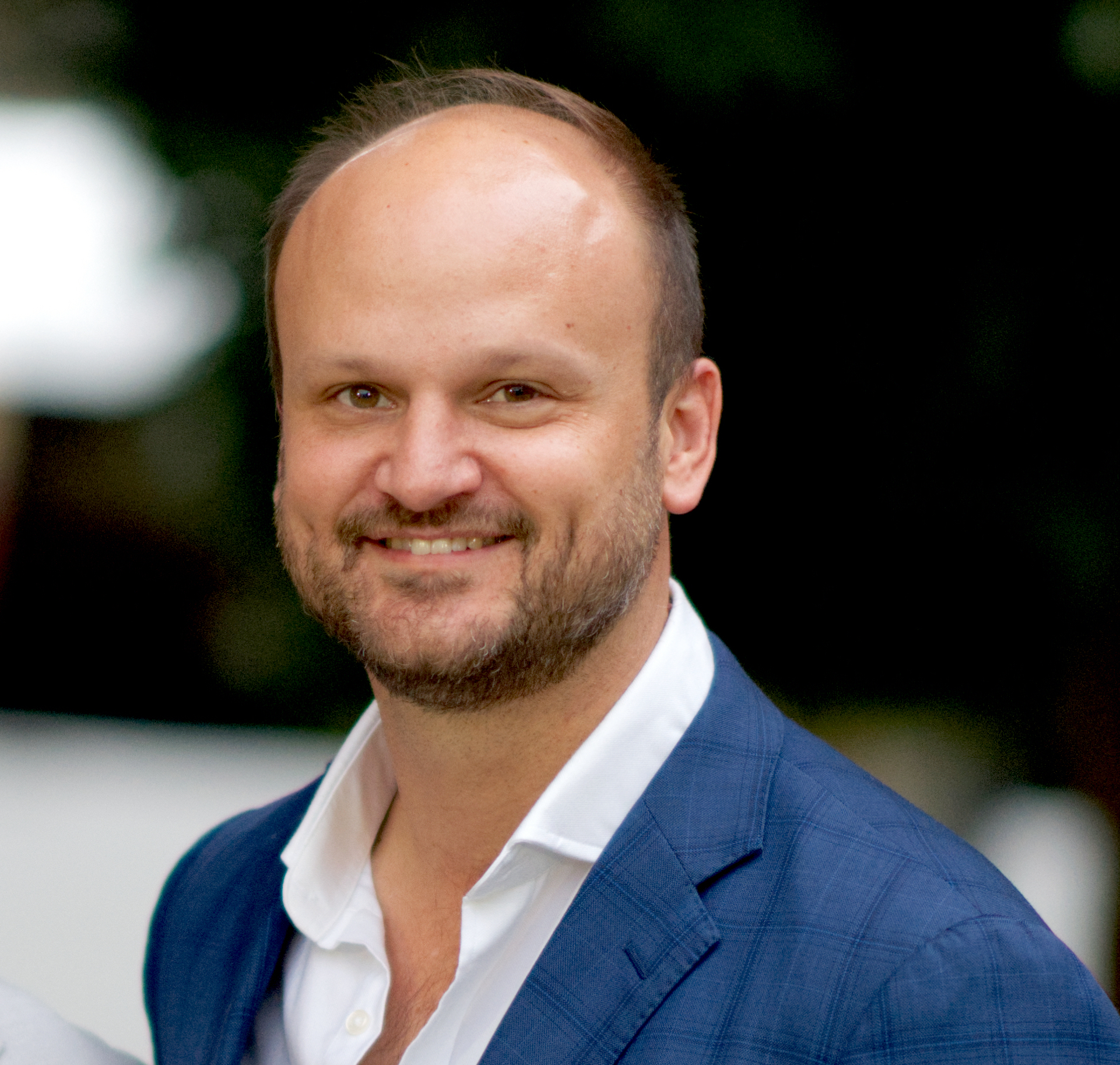
"We have always said we are not opposed to mining, but it has to be done in the right way with Traditional Owner decision-making front and centre," said Terry Drage, a Pinikura Traditional Owner and chairperson of PKKP Enterprises.
"These agreements are going to create a lasting legacy for our people, and we are really proud that we have signed this with Fortescue so that we don't have to rely on the government or courts to protect our important places.
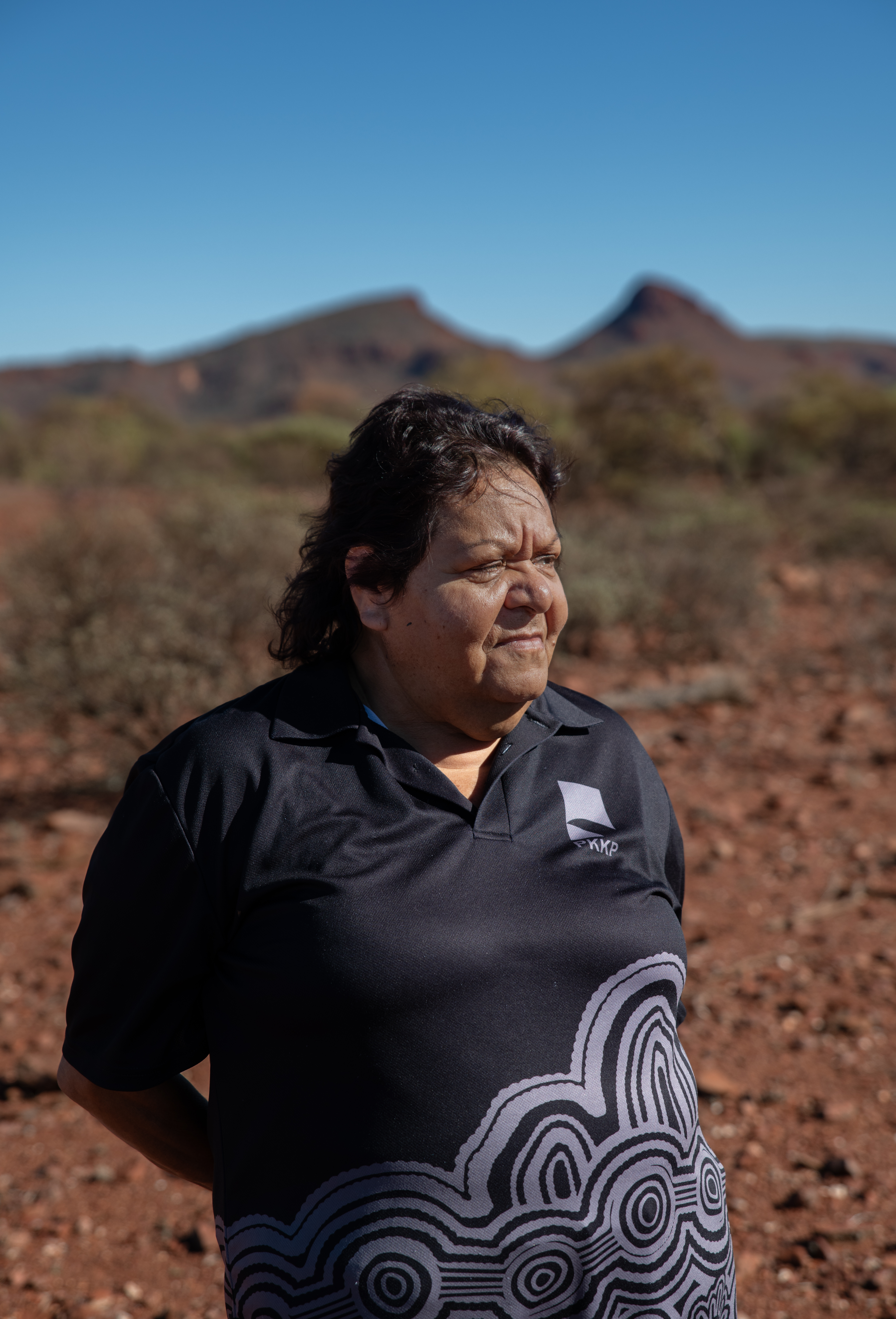
"We have updated our original Land Access Agreement that we signed with Fortescue in 2010, and we've replaced it with a new Native Title Agreement and Co-Management Agreement," said Sandra Hayes, a Puutu Kunti Kurrama Elder and chairperson of the PKKP Aboriginal Corporation."
Mr Drage said the Co-Management Agreement signed with Fortescue "builds on the agreement we made with Rio Tinto last year and has a number of protections for our Country and our heritage".
"The negotiation with Fortescue took three years to make sure the agreements reflected a shared understanding, so we know what they need, and they know what we can and cannot accept," he said.
Inside the agreements
The Co-Management Agreement commits both parties to work together through every stage of mining, from before exploration through construction and operation to closure. Co-management committees will oversee specific mines and developments. Heritage information and mine plans must be shared early. A defined process governs decisions where Fortescue requires key approvals, such as section 18 consents to disturb heritage or major environmental approvals, and important sites are to be protected through buffers, blast management and fencing.
"One of the key parts of the Co-Management Agreement is that Fortescue and PKKP need to share information much earlier about mining activities and heritage so we have the best chance of protecting important places, and so Fortescue can carry on with certainty," Mr Drage said.
The Native Title Agreement adds tenure arrangements for Fortescue's decarbonisation activities and a modernised mining benefits framework, with the fleet deal, which Fortescue describes as unique, at its centre. After 15 years of bringing Indigenous businesses into its supply chain as contractors, the company will now lease core mining equipment from the Traditional Owners of the Country it mines.
The $7.1 billion program
The agreements cap a milestone year for Fortescue. The company spent over $1 billion with First Nations businesses in the 2026 financial year, and its Billion Opportunities program, which turns 15 this year awarded more than $1b in contracts in the same fiscal year adding to the $7.1 billion in contracts to First Nations businesses since 2011. Fortescue confirmed the milestone in its 2026 financial year reporting, listing more than $7.1 billion in contracts awarded to Australian First Nations businesses among the year's highlights alongside the PKKP agreements themselves.
When the Indigenous Business Review profiled the program in August 2024, it had just passed $5 billion in contracts to more than 190 First Nations businesses, with annual spend of $505 million in the 2023 financial year. The cumulative total has since grown by more than $2 billion, and the annual figure has almost doubled. Fortescue's then general manager First Nations, Rosli Wheelock, told this magazine the program deliberately reached beyond the mine gate.
"We have to make sure we're helping Indigenous-owned businesses remove roadblocks or where they're having issues. Our Aboriginal business development team, that's their task, to help ensure they're supporting these companies," Mr Wheelock said.
"Even in Perth, it's not just about where our operations are. We've got things from coffee beans to stationery, we look for wherever there's opportunity for Aboriginal businesses to be involved with our organisation."
The company then employed more than 1,400 Aboriginal people, and Indigenous-owned Kooya had put electric all-terrain vehicles into Fortescue's operations, an early marker of the overlap between the miner's decarbonisation push and its Indigenous business commitments. The PKKP fleet deal scales that overlap up to haul trucks and excavators, and hands the ownership to Traditional Owners.
.jpg)
More than a transaction
Fortescue chairman and founder Dr Andrew Forrest AO said the company had never seen native title agreements as simply a transaction.
"The custodians of that Country should have a genuine voice in what happens there and share in the opportunities it creates," Dr Forrest said.
"This agreement creates new opportunities for PKKP to build business capability. They can participate directly in the success of our operations as they strengthen their people. That is the kind of long-term economic participation that helps communities build their own future.
"I want to acknowledge the leadership of PKKP and the spirit in which these negotiations have been conducted. We have taken the time to listen to one another, understand what matters and build an agreement that will endure."
The fleet PKKP will own includes electric excavators, and the Native Title Agreement covers tenure for Fortescue's decarbonisation work as the company invests US$6.2 billion in reaching Real Zero scope 1 and 2 terrestrial emissions by 2030 without carbon offsets.
"As Fortescue continues to grow and pursue our Real Zero decarbonisation ambitions, we want to do it together as partners, working together to protect heritage, create opportunity and support the next chapter of development in the Pilbara," Dr Forrest said.
A true partner
"This is a landmark agreement that strengthens protections for our Country and heritage while creating long-term economic opportunities for our people," Mr Drage said.
"Through initiatives like the mining fleet arrangement, we are securing a stronger future for the next generations and taking an active, decision-making role in how mining is carried out on our country. Not as a silent partner, but as a true partner."
FACT BOX | Billion Opportunities: 15 years in numbers
2011 Fortescue launches Billion Opportunities to bring First Nations businesses into its supply chain, from haul roads to head office stationery.
2023 Annual spend with Indigenous-owned businesses reaches $505 million.
2024 The program passes $5 billion in contracts awarded, across more than 190 First Nations businesses. Fortescue employs more than 1,400 Aboriginal people.
2026 Fortescue spends $1 billion with First Nations businesses in a single financial year. Cumulative contracts reach $7.1 billion as the program marks 15 years.
June 2026 PKKP become owners of haul trucks and electric excavators leased to Fortescue, with ANZ backing the purchase through the Buriya Capital funding program.



