


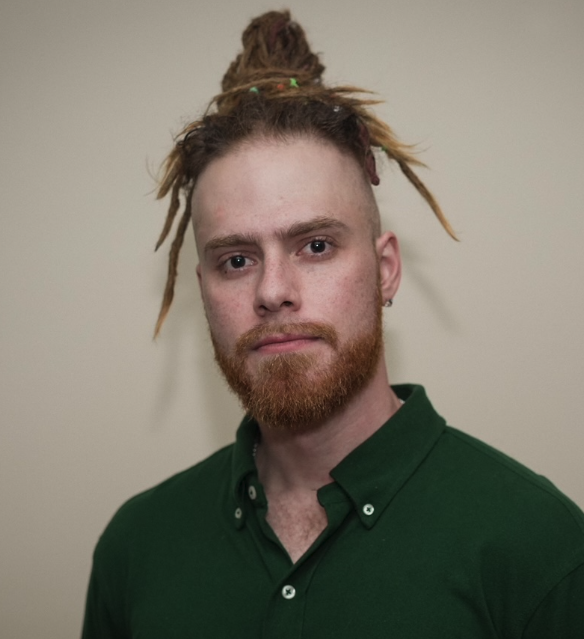

New research has indicated a 16 per cent pay gap experienced by Indigenous Australians, with Aboriginal and Torres Strait Islander people earning about 84 cents for every dollar earned by the average Australian employee
For Wiradjuri man Hayden Charles, the figures show getting Indigenous people into jobs is only part of addressing inequality in the workforce.
Mr Charles is Managing Director and Co-Founder of Indigenous Commercial Corporation (ICC) and Group Social and Responsibility Director at SKG Services, which delivers commercial cleaning, maintenance and security services.
He believes businesses need to examine what happens after Indigenous employees enter the workforce, including their pay, training, promotion opportunities and ability to progress into leadership positions.
The research found differences in occupation and hours worked did not explain the majority of the pay gap, which Mr Charles believes points towards broader structural barriers in Australian workplaces.
He said businesses also needed to recognise work Indigenous employees can be expected to perform outside their formal roles.
"Indigenous employees are often asked to provide cultural advice, support reconciliation activities, educate colleagues or represent their organisation in community," Mr Charles said.
"That cultural contribution can be incredibly valuable, but it isn't always recognised or remunerated.
"The better question is: 'Are Indigenous employees being paid fairly, supported, developed and given the same opportunities to progress as everyone else?'"
Mr Charles believes one of the first steps for employers is understanding their own workforce data, including where Indigenous employees are working, what they are earning, retention rates, promotions and access to training.
Employment pathways can then be supported through apprenticeships, traineeships, cadetships, mentoring and partnerships with Indigenous organisations and education providers.
Indigenous procurement also has a role, with commercial opportunities for Indigenous-owned businesses able to generate employment and skills development beyond an individual position.
Mr Charles said businesses should aim to build careers rather than focus solely on meeting employment targets.
"The objective should be jobs, careers, leadership and economic participation - not simply meeting an employment target," he said.
Retention was another area requiring attention, particularly when Indigenous employees could not see opportunities to progress within an organisation.
Career development plans, mentoring, training and transparent promotion pathways could help employees move towards senior positions, while Indigenous representation in management, executive and board roles could demonstrate those pathways were achievable.
Cultural safety also needs to extend beyond formal policies and commitments and be reflected in everyday workplace practices.
Mr Charles said employees would ultimately judge an organisation by the actions of managers and colleagues.
"An Acknowledgement of Country or a Reconciliation Action Plan can express a commitment," he said.
"But employees judge that commitment by the behaviour of their managers and colleagues on an ordinary Tuesday, not just during NAIDOC Week.
"Leadership cannot simply declare that it exists."
Measuring whether employment strategies are working should also go beyond the number of Indigenous employees hired.
Mr Charles believes employers should consider whether people remain with the organisation, gain qualifications, increase their earnings and progress into positions with greater responsibility.
Indigenous employees should be involved in developing employment strategies and assessing whether they are delivering meaningful outcomes.
For Mr Charles, the longer-term goal is to ensure employment creates greater choices for Aboriginal and Torres Strait Islander people, including opportunities to eventually lead organisations or establish businesses themselves.
"The outcome I want to see is someone building skills, earning fairly and having greater choices about their future, including the opportunity to lead or build a business of their own," he said.
"We need to move from counting Indigenous employees to measuring Indigenous outcomes.
"That's the change I'll keep pushing for."



