
Karlka Pastoral and Meat & Livestock Australia have begun a three-year program to build the business, train young Nyiyaparli people and explore a Pilbara beef brand of their own.
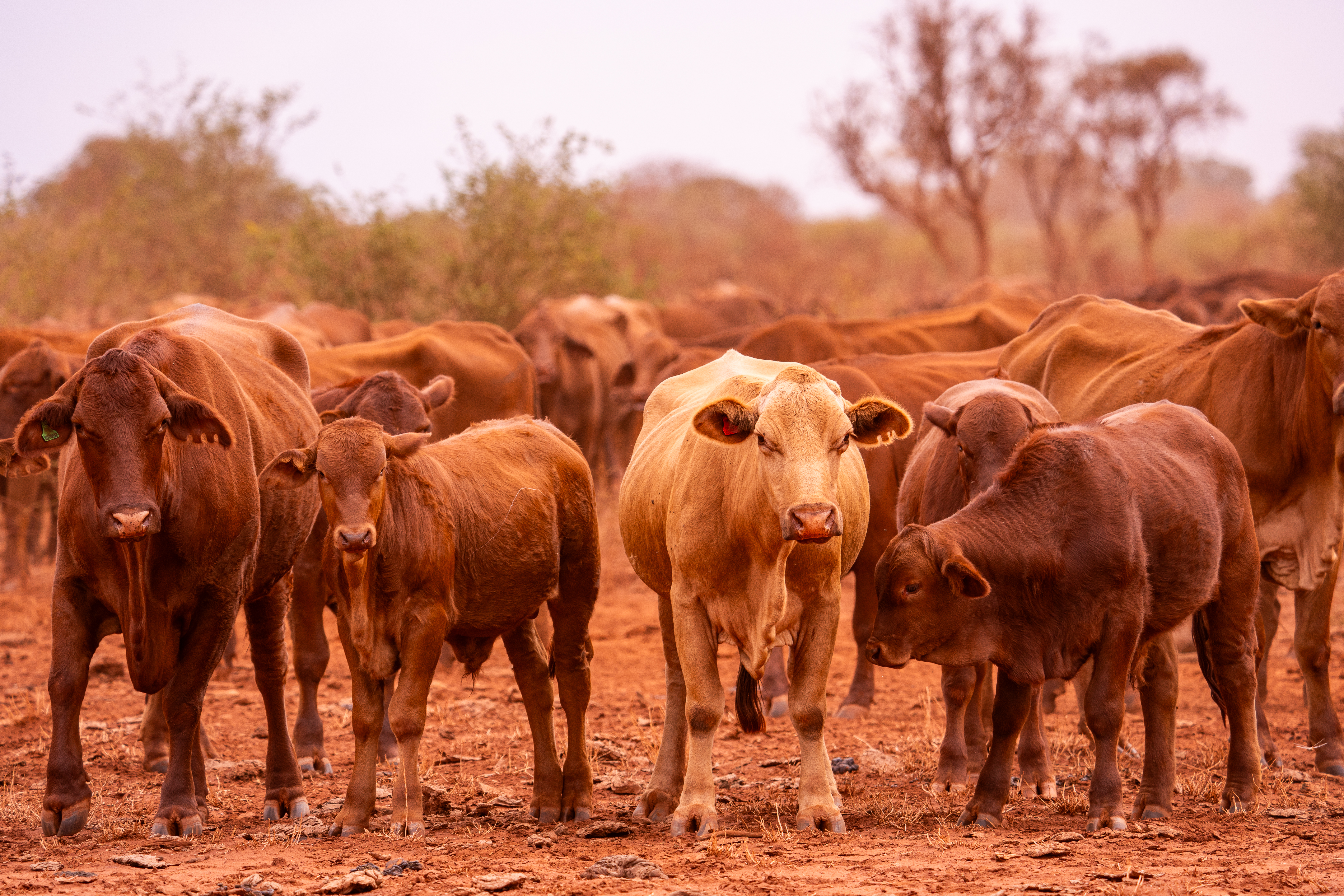
Covering more than 830,000 hectares of Nyiyaparli Country and running around 10,000 head of cattle, Karlka Pastoral is a growing Indigenous-led pastoral enterprise focused on economic self-determination, care for Country and community employment.
Karlka Nyiyaparli Aboriginal Corporation RNTBC (KNAC) is the native title body representing the Nyiyaparli People's interests across around 37,000 square kilometres of land and waters in the east Pilbara region of WA. KNAC manages Kutawa (Ethel Creek), Marillana and Walagunya stations on their behalf, vast rangelands of spinifex and ancient rock formations.
For the KNAC Board of Directors, it is important to keep exploring innovative ways to connect their young people and other marlpa with station life, working cattle and the ongoing care for Country.
"Many of us have grown up working on stations, and this partnership creates exciting opportunities for our kids to have those experiences, to build those skills, and to do it on our Country," said KNAC Chairperson Michael Stream.
To support this vision, KNAC has partnered with Meat & Livestock Australia (MLA) to deliver a three-year Collaborative Co-Innovation Program designed to support sustainable pastoral development, Indigenous employment and new market-led opportunities in the Pilbara. The program brings MLA and Karlka Pastoral together to co-design and implement an innovation strategy that strengthens long-term business performance while delivering social, cultural and environmental outcomes.
"Karlka Nyiyaparli Aboriginal Corporation RNTBC is pleased to partner with MLA to support the aspirations of Nyiyaparli People, to deliver pastoral industry employment pathways for our mob and to embed the land management and caring-for-country practices of traditional owners," said KNAC Chief Executive Cate Ballantyne.
A partnership built on innovation, culture and sustainability
Over the life of the program, KNAC and MLA are working across several fronts. Training and employment pathways for Nyiyaparli and other local Aboriginal people sit at the centre, with engagement reaching into schools and early-career development. Alongside that are regenerative land management and conservation with the KNAC Rangers, and carbon management and emissions reduction, from baselines to pathways towards better environmental performance. The program is also exploring cultural and eco-tourism tied to the stations, and vertically integrated value chains, including a Nyiyaparli branded beef that tells the story of Country, culture and community.
The program is guided by a jointly managed governance framework, with clear milestones, performance indicators and regular reviews to keep outcomes aligned with both business objectives and industry benefit. Evaluation will follow MLA's triple bottom line framework, capturing economic, environmental and social impacts.
Delivering benefits beyond the farm gate
The collaboration is designed to support Karlka Pastoral's growth and to generate insights that can inform other Indigenous-led and northern pastoral enterprises across Australia. By testing new approaches to market development and sustainable land management in a real operating environment, the program aims to contribute practical, transferable knowledge to the wider red meat industry.
"This partnership recognises the strength of Indigenous leadership in pastoral businesses and the opportunity to co-design innovation that delivers commercial success while respecting culture and Country," said Joshua Whelan, MLA's Project Manager, Innovation Capability. "Working together with Karlka Nyiyaparli Aboriginal Corporation allows us to support pathways for Indigenous employment, sustainable land management and new value-adding opportunities that can benefit the broader industry."
Connecting to our young people
With a commitment to reconnecting Nyiyaparli young people on Country, and to opportunities to learn about the pastoral industry, developing a training program became the priority. Over two days before it began, senior Nyiyaparli members met at Kutawa with industry trainer Steve Burke of Horsepower Training Services and Richard Gratte, Pastoral Innovation Manager at KNAC, to yarn about developing mentors and engaging young people.
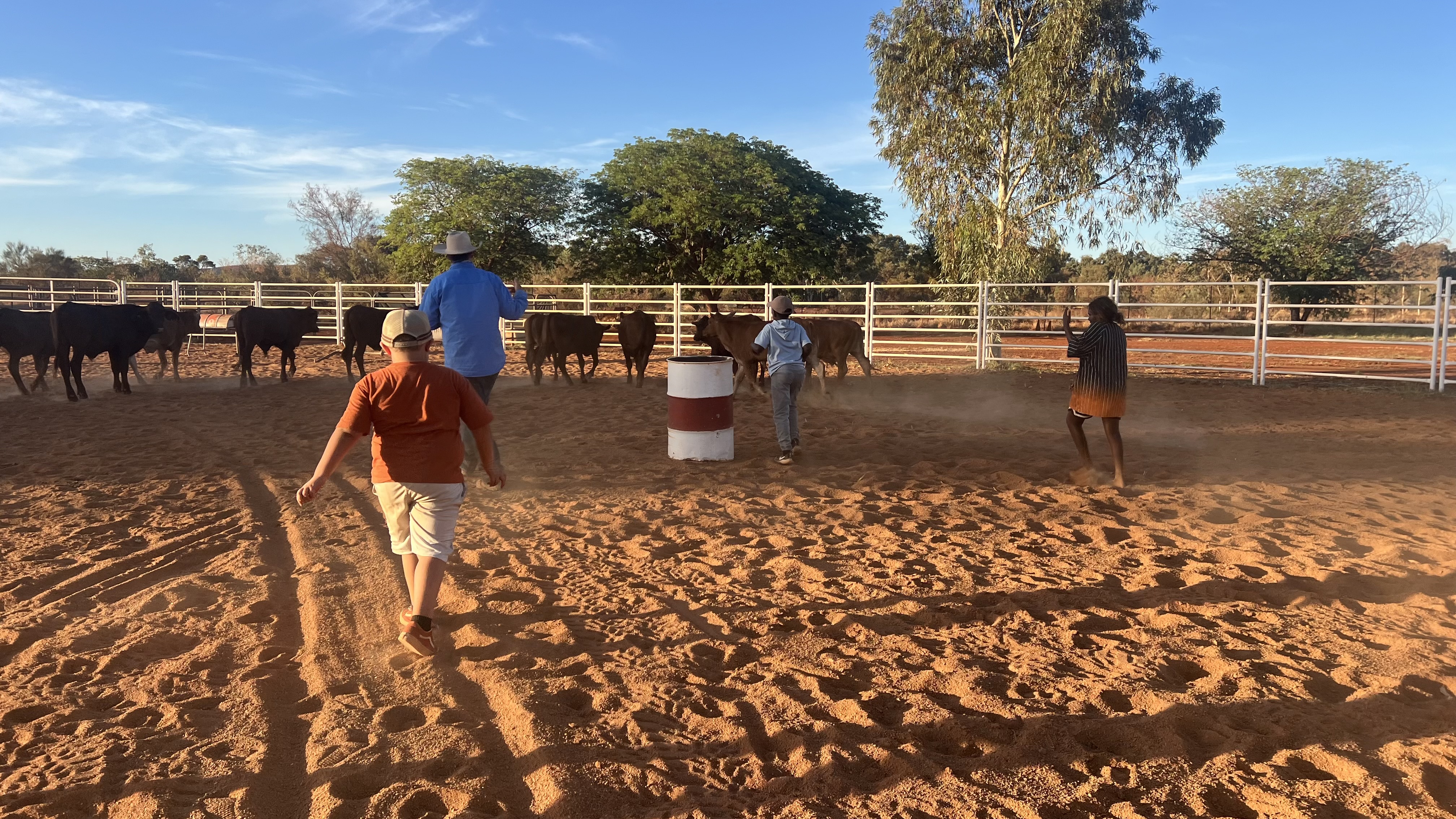
The initial pilot, delivered with Karlka Pastoral and the Newman Horse Club, offered horsemanship and stockmanship training at Parnpajinya (Newman). Being close to town, it was easy for people to come and connect with the team and take part in regenerative stockmanship. Further funding from MLA and the Pilbara Innovation Partnership allowed Burke to run multiple cattle-handling sessions and station visits during mustering to build on the mentors' skills.

Building our mentors
During this time, young marlpa Jesse Wheelock, Tyros Handley and Tristan Flanagan all joined the Karlka Pastoral team, working on practical skills and safe, calm livestock handling with plenty of hands-on learning throughout. As an outcome of stage two, Burke invited two of the mentors to co-facilitate a training week at the Muresk Institute in Northam, a chance to accelerate their "development of capacity under pressure" and build their capability to mentor and guide others through regenerative stockmanship.
Regenerative stock management is a key focus, creating a calm and controlled environment for both livestock and handlers. It extends the sessions beyond the yards and gives mentors the chance to work with young people and connect on Country. The first few months have already produced results. Senior Nyiyaparli men have made on-Country visits to consult on and approve the project's approach and content. A Stockmanship Development Project is under way at Parnpajinya and Kutawa, with participants learning in a live cattle-yard environment. Three Nyiyaparli participants are now employed by Karlka Pastoral, and two took part in co-facilitated further training at the Muresk Institute from 8 to 12 June.
"We look forward to working with MLA to co-design the next chapter of our pastoral business," Stream said.