


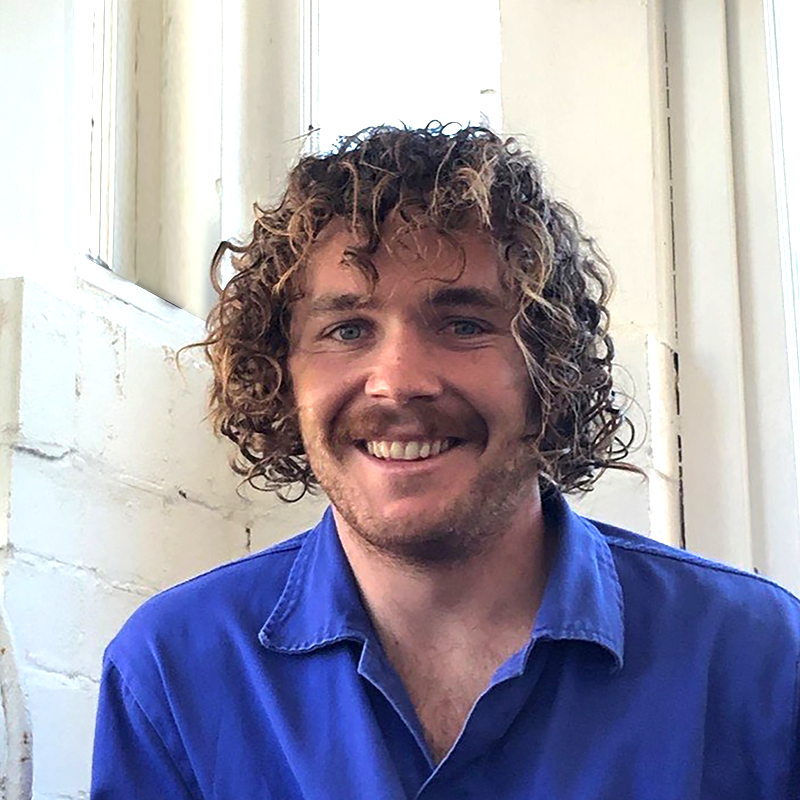

Wilman Noongar health researcher Jacinta Walton is working to fill a gap in skin cancer and sun safety for Aboriginal children and young people.
Ms Walton is an Aboriginal Project Officer in the Healthy Skin and ARF Prevention team at The Kids Research Institute Australia. It's here she's worked on a number of community-led research projects, including the Ngangk Ngabala Ngoonda (Sun Safety) project.
"We live under a really strong and powerful sun here in Australia. We have very high levels of ultraviolet radiation exposure," Ms Walton explained.
"Australia's done a wonderful job in public health campaigns to dramatically improve awareness and behaviors in some population groups, but unfortunately the benefits have not been experienced equally for Aboriginal and Torres Strait Islander peoples."
Ngangk Ngabala Ngoonda aims to address a knowledge gap on sun safety and skin cancer awareness for Aboriginal kids and families in what is thought to be the first of its kind, as a cohesive campaign focused on 6-25 year olds in Western Australia.
Ms Walton's Higher Degree by Research, with a specific defined thesis project, is embedded within and contributes to Ngangk Ngabala Ngoonda
The project's broader overall objectives include;
- A review of current sun protection recommendations, and analysis of the acceptability and accessibility of currently available resources
- An Elder and community co-designed questionnaire to inform an understanding of knowledge, attitudes, behaviours and expectations regarding sun protection and skin cancer
- Translation of these learnings into skin cancer awareness and messaging and resources (aimed to support Aboriginal children and young people and families to manage their skin health), and an evaluation of this.
"Although our incidence of skin cancer is lower, Aboriginal people are actually more likely to be diagnosed at later stages, and then unfortunately experience poorer outcomes," Ms Walton said.
"To what we can see, it's a combination of factors."
These include elements like delayed presentation and access to care, misconceptions around risk and a significant lack of culturally-relevant health education resources.
"It's a huge gap, and it's also been identified by community members in our work that we have done," Ms Walton said.
It's this gap she's hoping to fill through her work.
Ms Walton is a recipient of the Aurora Education Foundation's First Nations Cancer Scholarship for 2026.
Scholars receive up to $120,000 per year over three years on their academic journey.
Eligibility requires students to be taking on full time postgraduate study or research in cancer-related fields set to impact outcomes for First Nations people.
Aurora is an Indigenous organisation offering programs and pathways for Aboriginal and Torres Strait Islander students, into university and the workforce.
The organisation delivers the scholarships in partnership with Cancer Australia.
Ms Walton is studying a Master of Philosophy by Research at the University of Western Australia, with approval to update and pursue her PhD, which she intends to do.
It's a privilege to be supported to do the work she's passionate about, with strong community involvement and addressing an important health promotion need for Indigenous people, Ms Walton said, but also, on a practical level, in travel, training, upskilling and continuing her learning.
Her current research is primarily focused on the health promotion gap, predominately based in South-West WA. A look at this on a national scale is to come as part of her research.
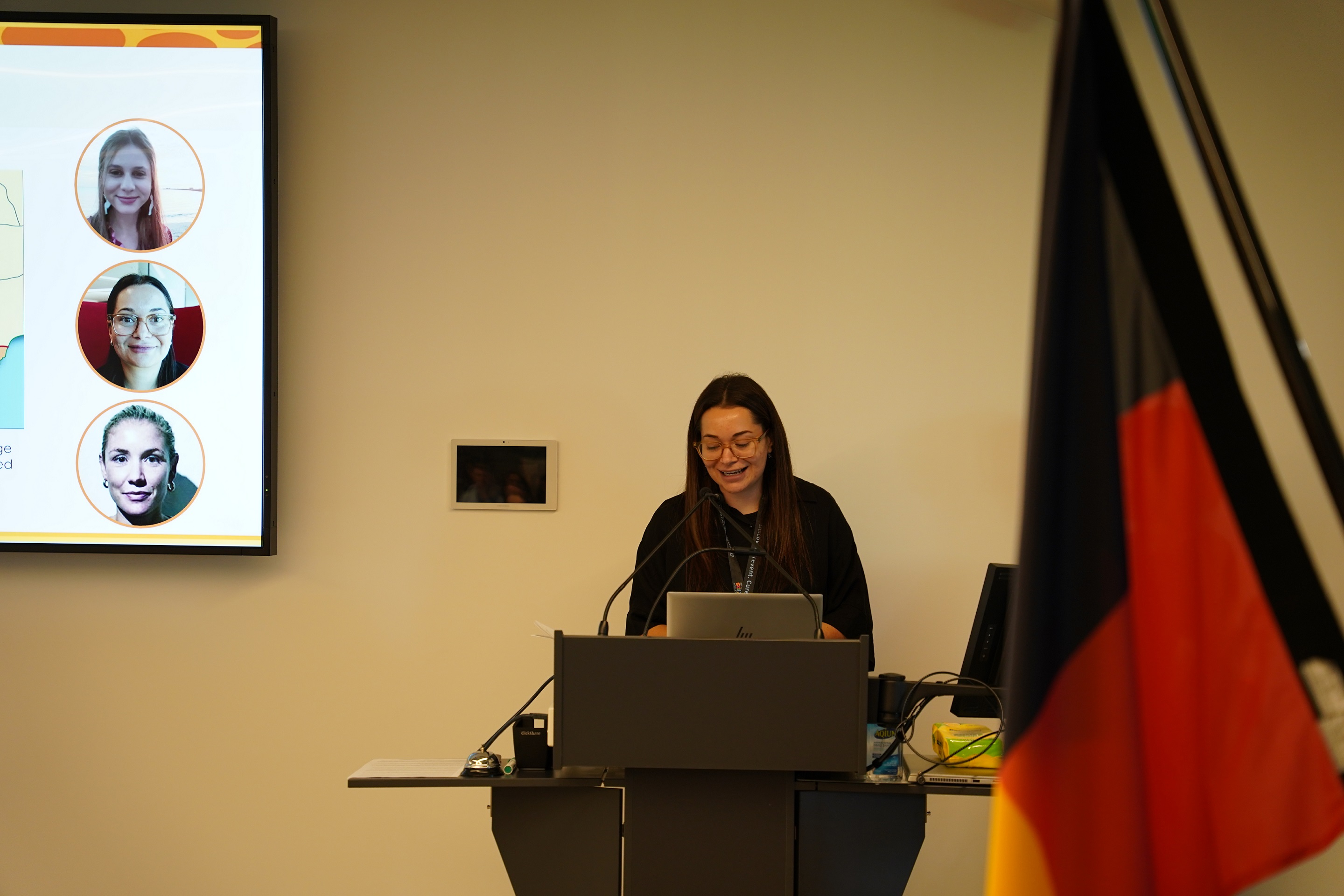
Ms Walton's taken her own path to the work she's doing today. University, let alone high degree research, wasn't really in her plans as a school-aged entrant into full-time work.
"I always had a passion to be part of something that was really important, particularly to support other people in our community," she said.
Working at the Kids Research Institute, then-Telethon Kids, inspired her enrollment into an undergraduate in Health Science majoring in health promotion.
This gave Ms Walton initial experiences in a research project with the organisations Healthy Skin Team "and that's led me here to continue to build on the community identified priorities".
"Defining the message"
Cancer is currently the leading cause of death among Indigenous people, accounting for nearly a quarter of all deaths, per the 2025 Australian Institute of Health and Welfare Aboriginal and Torres Strait Islander Health Performance Framework.
Less than one per cent of health professionals identify as First Nations.
When the first scholarship recipients were announced earlier this year, Aurora acting chief executive and Noongar woman Tamara Murdock said the support "recognises that the knowledge and experience required to improve cancer outcomes already exists within our communities".
"What matters is ensuring students are backed by the right support, strong networks and the resources they need to succeed. This is how we build leadership, strengthen expertise across cancer care, and drive real, lasting change for our people." Ms Murdock said.
Cancer Australia chief executive Professor Dorothy Keefe added: "Increasing the number of First Nations researchers and health professionals in this field is essential to improving outcomes and ensuring care is culturally safe and effective."
For Ms Walton, having First Peoples working in health care means a more safe, comfortable and confident experience for First Peoples accessing the care.
"The research that I'm doing is around representation in health education resources, and so that's really about who's defining the messaging in the resources that are out there - to support people to build their health literacy," she said.
"That's such an important part of the health space as well, is having access to resources that people can understand and then use and apply in the everyday to keep themselves and their families safer and healthier."
Representation in health sector roles is also important to see for others to join, "to build on those that are already there, and to continue to make it safer and more accessible and more relevant for our people", Ms Walton added.
There's also no concrete path or timeline you have to follow on a career journey, she believes.
When first enrolling at university, Ms Walton was a mature aged student.
"At any stage of your life you can definitely go back and pursue something that you're passionate about," she said.
Expressions of interest processes for the next batch First Nations Cancer Scholarships are open now and through to September 11.



