



Key points:
- University of Queensland aims to double the number of Indigenous students studying medicine by 2030
- Aboriginal and Torres Strait Islander students currently make up about 4.5 per cent of the university's Doctor of Medicine cohort
- The university says the improved representation will 'help create a more equitable medical future'
'Aboriginal and Torres Strait Islander doctors improve access, cultural safety, and outcomes for First Nations patients'
University of Queensland has committed to doubling the number of Aboriginal and Torres Strait Islander students in its Doctor of Medicine degree by 2030, with a new strategy aimed at strengthening the First Nations medical workforce.
The university's Indigenous Student Enrolment Strategy has set a target of 100 Aboriginal and Torres Strait Islander students enrolled across the four-year program by 2030, including through regional medical pathways.
The strategy aims to enrol 25 Aboriginal and Torres Strait Islander students a year from 2027 and build what UQ describes as a culturally safe and academically strong environment for students.
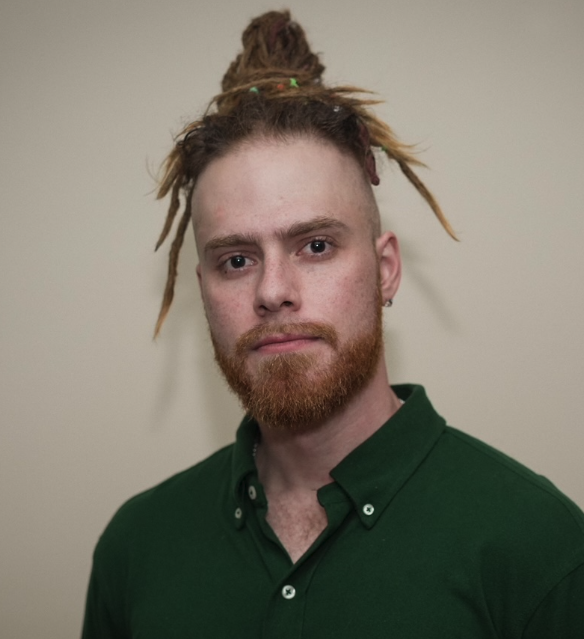
Waluwarra Wangkayujuru Wangkaymunha woman and Faculty of Health, Medicine and Behavioural Sciences Associate Dean (Indigenous Engagement), Professor Thelma Parker, said the target was needed to create stronger representation in medicine.
"There are not enough First Nations doctors in the community and we've created a bold target deliberately because incremental change is not sufficient," Professor Parker said.
"Representation matters, critical mass matters, belonging matters and the health of our First Nations peoples matters.
"Evidence consistently shows that Aboriginal and Torres Strait Islander doctors improve access, cultural safety, and outcomes for First Nations patients and strengthen the health system for everyone."
Aboriginal and Torres Strait Islander students currently make up about 4.5 per cent of UQ's MD cohort.
Medical School Interim Dean, Professor Riitta Partanen, said the strategy would help create a more equitable medical future while showing prospective students that medicine at UQ was within reach.
"While UQ is already recruiting Indigenous students above the population parity, this new target will essentially double the number of Indigenous students to help create a more equitable medical future," Professor Partanen said.
"This strategy also demonstrates that studying medicine at UQ is within reach, that we offer a culturally-safe and supportive environment, and that entry pathways are visible, achievable, and welcoming.
"By 2030, having 100 Indigenous medical students enrolled in our MD Program will represent a generational shift."
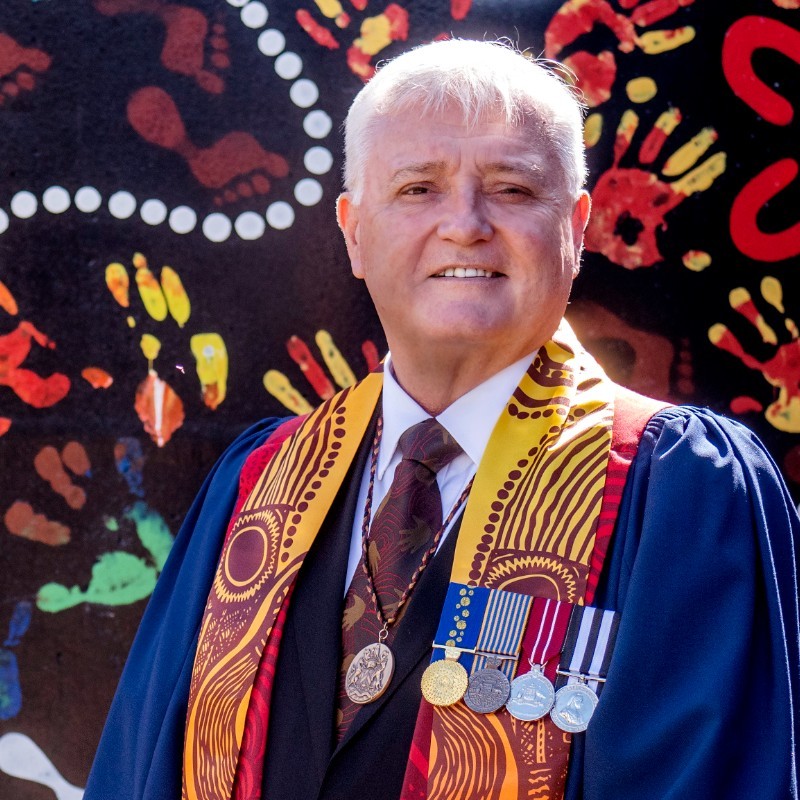
Kamilaroi man and Mayne Professor of Indigenous Health and Wellbeing, Professor Brad Murphy, said the initiative would include more outreach, stronger enabling pathways and increased mentoring and academic support.
"Cultural representation will be embedded as part of the admission pathways, including Indigenous-led interview panels, to uphold equity and cultural integrity in MD Program selection processes," Professor Murphy said.
"This is a whole-of-faculty approach to cultural learning and responsibility."
The strategy spans the student lifecycle and has been developed through partnerships with communities, schools and health services across Queensland.
An Indigenous Student Enrolment Strategy Advisory Committee will also be established, chaired by a senior Indigenous medical leader and made up of voluntary members from urban, regional and rural communities.
Students can currently study UQ's MD in Greater Brisbane and in regional areas including Central Queensland, Wide Bay and Darling Downs through Regional Medical Pathway programs.



