



A new study has examined how Cape York families experience and respond to stillbirth, highlighting the importance of culturally appropriate care, family, ceremony and community support.
The research uses the term Sorry Business Bubba, which is used by Indigenous communities to describe stillbirth.
Australian First Nations women experience higher rates of stillbirth than the general population, however researchers say their lived experiences and those of their families and communities remain underreported.
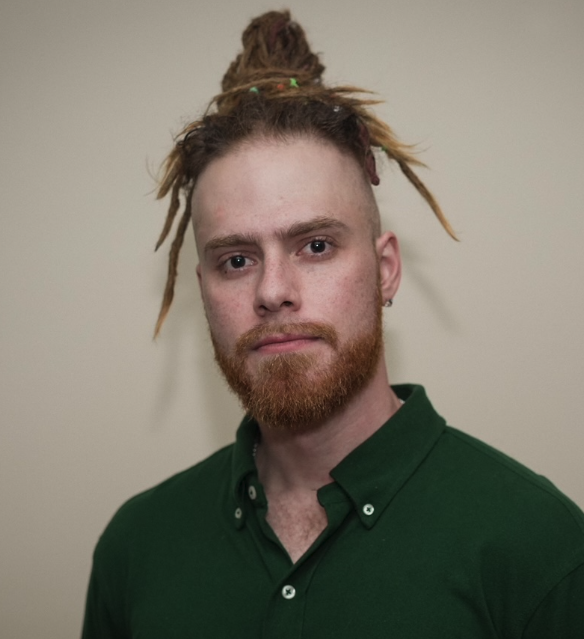
Published in the journal Women and Birth, the study was led by Tjungundji Taepathiggi woman Diana Jans from the northwest Cape York community of Mapoon, who was working with Apunipima Cape York Health Council at the time of the research.
Researchers identified five connected themes covering the history of healthcare in Cape York, the importance of family, ritual and ceremony, appropriate language around the loss of a bubba, the grieving process and how support should be provided.
The study found past government policies involving control and restriction, along with experiences of racism and stereotyping, had contributed to mistrust of the health system and could prevent families from seeking care and support.
The research was undertaken by researchers from the Centre of Research Excellence in Stillbirth, based at Mater Research and The University of Queensland, and Apunipima Cape York Health Council in partnership with James Cook University.
Cape York Elders, midwives and predominantly Indigenous health professionals were interviewed as part of the study.
Participants had experience supporting families through Sorry Business Bubba grief or had experienced stillbirth within their own families.
Interviews were conducted by First Nations health professionals using Yarning Methodology, a culturally safe approach centred on individual agency and storytelling.
Participants described the importance of recognising the life of a Sorry Business Bubba and allowing families and communities to grieve together.
One Aboriginal participant described how the wider family came together after a loss.
"Everyone came together as one, and the day of the funeral it was so emotional that family members were still suffering from the grief and loss," she said.
A non-Indigenous nurse involved in the study also described the importance of respecting community approaches to death and mourning.
"The community takes death very seriously ... It's a time to be particularly respectful," she said.
Researchers recommended health professionals entering communities consult local First Nations colleagues about appropriate language around grief and loss and recognise the importance of social, cultural and emotional wellbeing.
The study also found grief could continue well beyond the immediate period after the loss, with parents facing different pressures throughout that process.
One Aboriginal participant described the continuing impact she observed on a grieving mother.
"You could still see in her face the sadness. Even though she'd try to smile and stuff," she said.
"There's just something - it's just nothing like it. A pain like no other."
Participants wanted health providers to offer gentle guidance while recognising that the type and timing of support needed to differ between people.
The study also raised concerns about the support available to fathers and other men following a stillbirth.
A female Aboriginal Health Worker described seeing men remain apart while grieving.
"But I did notice that the father didn't have any support ... all the men just sat over there ... they didn't talk about it, so I think they're still carrying it," she said.
Researchers called for coordinated and culturally appropriate support services, as well as greater recognition of the effect of stillbirth across the wider community, to reduce isolation.
Ms Jans said Aboriginal and Torres Strait Islander health workers were well placed to help connect First Nations families with the healthcare system.
"Given the strength of their connection to the community and to one another, Aboriginal Health Workers are important supporters of grieving families," she said.
Original reporting by James Cook University



