



A University of Queensland (UQ) study has examined factors supporting or hindering young Aboriginal and Torres Strait Islander people from accessing primary healthcare services.
The study, 'Mob want to see mob': Aboriginal and Torres Strait Islander young peoples' perspective on accessing primary health care services in urban southeast Queensland, found many participants preferred Aboriginal providers where they can 'be themselves'.
UQ says the study indicates cultural connection and positive healthcare experiences are of high value to young Aboriginal and Torres Strait Islander Australians when deciding to access healthcare.
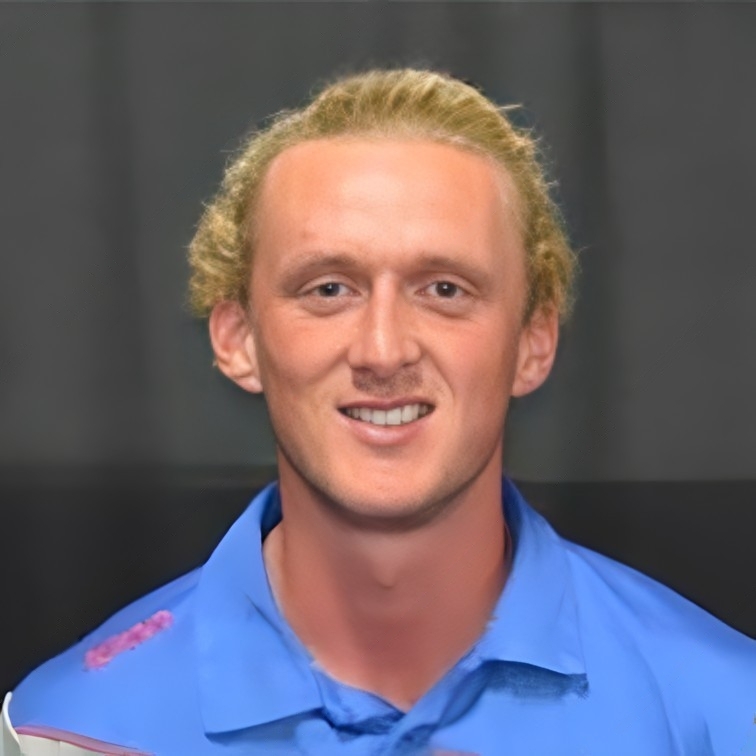
UQ Poche Centre for Indigenous Health senior research fellow and Narungga and Ngarrindjeri man from South Australia, Stephen Harfield, said cultural connection in healthcare is important.
"This is especially the case during adolescence and early adulthood when there is significant physical, emotional and social development,'' Mr Harfield said.
"Young people need to be able to access primary healthcare services and have choice.
"Whether that's going to an Aboriginal community-controlled or mainstream general practice, seeing a male or female doctor, someone younger or older, having choice is important in ensuring young people feel comfortable and culturally safe, and can have that regular engagement.
"We need to be mindful of that because most health services are designed for the people who use it most, which isn't necessarily young people.
"Primary healthcare services need to be more youth friendly."
Mr Harfield led the study involving 35 Aboriginal and Torres Strait Islander people aged 15-24 from urban southeast Queensland.
Participants shared their experiences through research yarning - an Indigenous qualitative research method where participants share stories and information related to the research topic.
"A lot of research has taken place with young people living in rural and remote areas, so this is one of the first to look at having yarns with Aboriginal and Torres Strait Islander young people in an urban setting," Mr Harfield said.
Participants shared their experiences about how they engage with providers and healthcare services, including the influence of friends and family, accessibility, cultural safety, and health literacy - having the knowledge to make informed decisions.
Some participants described their experience of using an Aboriginal community-controlled health service, 148 of which are overseen by the National Aboriginal Community Controlled Health Organisation (NACCHO) as having a 'different feeling.'
"Mob wants to see mob...when you're around your own people, it's just a different sort of connection and feeling and you just feel safer and welcomed," one participant aged 18 shared.
Another said: "They look at you as a person, whereas if you go to a different health place, you're just another number.''
Mr Harfield said the study supports the need to invest in youth-friendly services, especially those for Aboriginal and Torres Strait Islander people.
"Primary healthcare services need to be accessible, equitable, holistic, and culturally safe, and have a strong focus on health promotion and prevention, as well as eliminate the costs with accessing services," he said.
The research has been published in the official publication of the Public Health Association of Australia, the Australian and New Zealand Journal of Public Health.



