




The Human Rights Commission says First Nations women have been let down by the Native Title system, with a new report calling for significant reform.
Women in Native Title elevates the lived experience of First Nations women for the first time since the introduction of the Native Title Act 30 years ago, highlighting how the system is failing to deliver land justice effectively.
An extension of the 2020 Wiyi Yani U Thangani (Women's Voices): Securing Our Rights, Securing Our Future Report, and in the foreword, former Commissioner June Oscar said the "women who have contributed to this report all have extensive experience in native title in a variety of different ways, including personal and professional roles".
"Their stories about their native title experiences, and their opinions on the native title system, provide a holistic picture of the everyday impact of native title on the individuals, families and communities whom native title was supposed to benefit," Ms Oscar said.
"These women's stories depict a system that fosters division and creates disunity and distrust. It is a system, despite (arguably) good intentions, is unable to understand and include our traditional laws and customs in a meaningful, accurate way."
The report highlights the testimony of women, many of whom described the native title processes as "disempowering".
"Many women commented on how angering it was to have to constantly justify our connection to Country on the terms of the coloniser, in a system which does not understand or accommodate the cultural knowledge and law that is relevant to that connection," the report stated.
Other issues include how women's knowledge is not heard or valued, as well as the many barriers to full participation and conflicts of interest.
Themes that came out of the data in the report included self-determination and self-governance, gender discrimination, structural racism, and a lack of access to justice.
"There were many instances described by the women interviewed where the effort put into demonstrating the connection to Country was so significant and, for them, so convincing, that it induced shock, confusion, and despair when the result was not the return of control of their Country," the report said.
"Many women were angry that British Australian laws were still being used to control the way they were able to practise culture, and felt a huge disconnect between the native title, heritage protection and land rights regimes on the one hand, and the reality of how culture and Country should be protected."
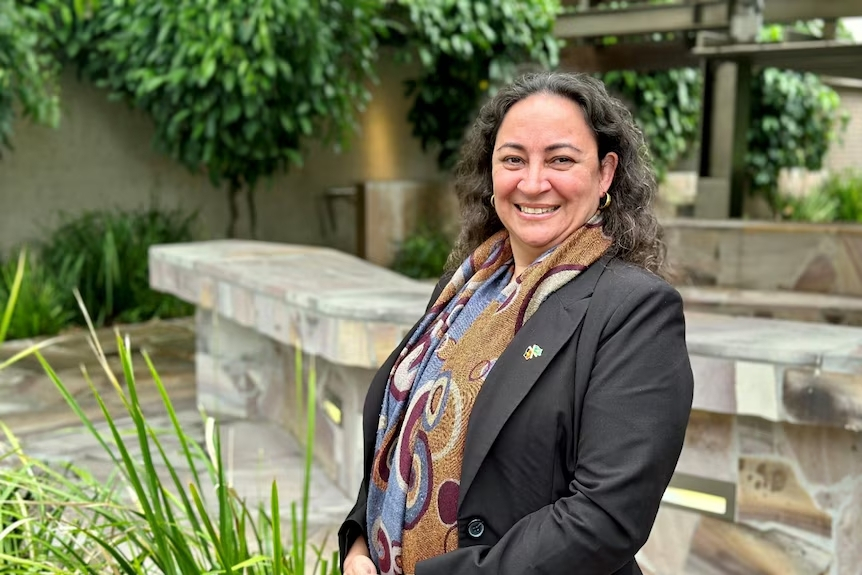
Testimony included that of Waluwarra Wangkayujuru Wangkaymunha woman Thelma Parker, who identified the "huge gap" between what is granted in a native title determination and the areas that First Nations women "actually have traditional custodianship over and cultural connection to".
The report said that "Thelma also felt that the native title connection evidence and determination 'hasn't provided the full picture from a matriarchal Law woman'."
"From Thelma's perspective, key to this failing is the silencing of women's voices in evidence concerning connection to Country, and the fact that the native title sphere is largely made up of male anthropologists, lawyers and archaeologists."
Aboriginal and Torres Strait Islander Social Justice Commissioner Katie Kiss said the native title system as it exists today, "is not what we had all hoped it would be".
"The system falls short of its intention and doesn't deliver on human rights such as participation, culture, self-determination and non-discrimination for First Nations people," Commissioner Kiss said.
The report put forward 29 recommendations, emphasising the need for the supported participation of First Nations women and their communities in any future reform.
Other recommendations called for Australia to develop a National Action Plan to implement the UN Declaration on the Rights of Indigenous Peoples; to establish and resource a First Nations Native Title Reform Council (FNNTRC) with gender balance; and implement the findings and recommendations of the Wiyi Yani U Thangani report, including that all Australian governments "recognise that the native title system has itself been a source of harm and invest in culturally restorative and supportive community-led measures identified by local Aboriginal and Torres Strait Islander communities".
The report can be found online.



