



Canada has announced $5.1 million in funding for three Indigenous-led climate initiatives in South America, Africa and the Indo-Pacific.
The two-year commitment, unveiled on National Indigenous Peoples Day by Secretary of State for International Development Randeep Sarai, will support global partnerships led by First Nations, Inuit and Métis communities in Canada alongside Indigenous peoples overseas.
The Assembly of First Nations will lead Our Collective Futures: Indigenous Peoples Partnering for Lands and Waters, working with the Asia Indigenous Peoples Pact to connect First Nations with communities across the Indo-Pacific.
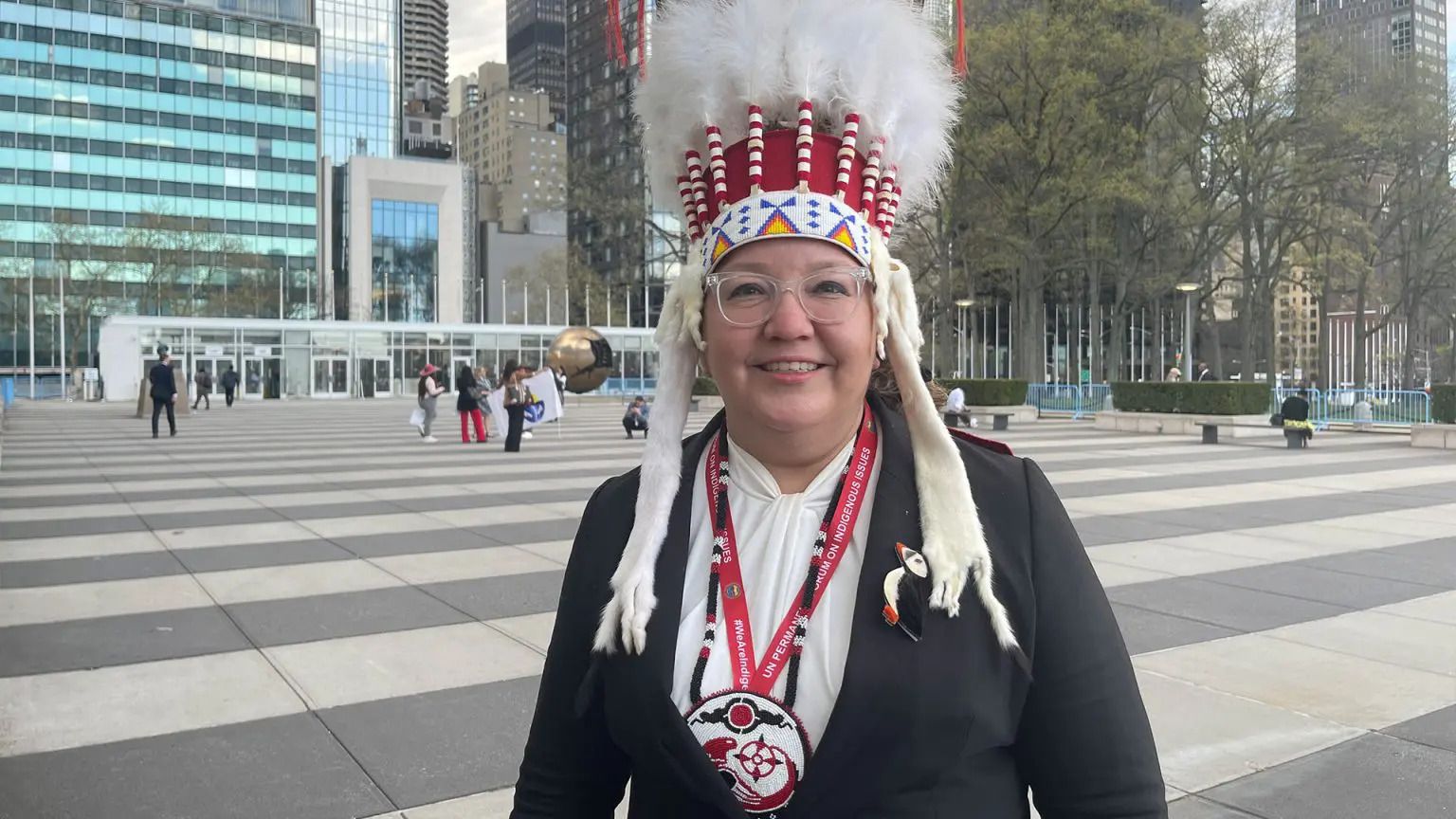
Pinaymootang First Nations and National Chief of the Assembly of First Nations, Cindy Woodhouse Nepinak, said the project supports international Indigenous collaboration on land and water protection.
"As First Nations, we hold inherent and Treaty rights, as well as responsibilities, to care for our lands and waters and to protect them for future generations," she said.
"The Our Collective Futures project offers an exciting opportunity for First Nations and Indigenous Peoples in the Indo-Pacific region to work together and share our respective knowledge and experience in climate adaptation and mitigation, with a focus on nature-based solutions.
"We are excited to advance our relationship with the Asia Indigenous Peoples Pact (AIPP) and to strengthen First Nations leadership in climate and biodiversity action through international Indigenous solidarity."
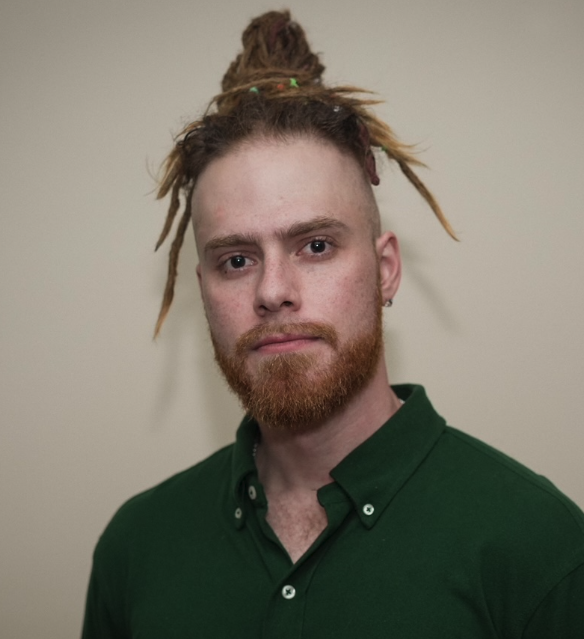
The Inuit Circumpolar Council will deliver the Indigenous Climate Action Partnership, focused on increasing resilience in developing nations through land-based learning and shared advocacy.
Labrador Inuk and Inuit Circumpolar Council President, Natan Obed, said Inuit have long been warning the world about Arctic climate change.
"Inuit have long been at the forefront of international climate efforts, well before the 1992 Rio Earth Summit," he said.
"For decades, we have sounded the alarm about the rapid and unprecedented warming of the Arctic - a crisis unfolding in our homelands that now threatens the entire planet.
"Unless immediate and direct action is taken, the rest of the world will face what we are already experiencing. Our current reality is a warning of the global climate disruption to come."
Mr Obed said the partnership enables Inuit to collaborate globally while pushing for equitable access to climate funding.
"Inuit hold essential Knowledges and proven strategies for both mitigating and adapting to climate change," he said.
"Yet our leadership remains unsupported by direct and equitable access to international climate finance mechanisms.
"The Indigenous Climate Action Partnership offers a vital path forward, enabling Inuit to collaborate with other Indigenous climate leaders and invest in climate strategies grounded in our self-determination, leadership and intricate relationships with our lands."
The third project, A World of Wahkohtowin, will be led by the Métis National Council in partnership with Indigenous communities in Colombia and Zambia.
The initiative will focus on co-developing culturally grounded climate adaptation strategies rooted in wahkohtowin - a Cree concept meaning kinship and interconnectedness.
It aims to reduce poverty, protect livelihoods and promote gender equality through on-site learning and reciprocal cross-national relationships.
The projects are being launched during National Indigenous History Month, a time to recognise the histories, cultures and contributions of First Nations, Inuit and Métis Peoples both in Canada and across the globe.



