




NSW Aboriginal Land Councils have spoken out against 'minor' changes to Crown Land management legislation, warning the amendments could undermine Aboriginal land rights.
The Crown Lands Management Amendment (Statutory Review) Bill 2026 was introduced into the NSW Legislative Council last week without consultation or notice. The state government described it as delivering "minor" procedural amendments which would strengthen protections for Crown land and encourage economic investment.
The NSW Aboriginal Land Council (NSWALC) and the Metropolitan Local Aboriginal Land Council have spoken out against the Bill, describing the changes as "a kick in the guts" not only for First Nations peoples, but for the broader NSW community.
"This Bill was introduced without consultation, without notice and without respect," said NSWALC Chair, Dr Raymond Kelly.
Both Land Councils say the Bill will significantly reduce public interest protections for the management and use of Crown land, prioritising private commercial interests over public uses.
They also warn the Bill could hollow out the Aboriginal Land Rights Act 1983 (ALRA) by limiting claimable Crown land and prioritising commercial opportunities.
"It is difficult to quantify right now, because we are scrambling to understand the full implications of the Bill....but it's huge," the Metropolitan LALC said in a statement.
"The way the Bill was introduced into Parliament - the lack of notice and being messaged as 'administrative' changes only - it feels very much purposely designed to be a quiet attack on Land Rights."
Dr Kelly emphasised the importance of Aboriginal land rights in providing just outcomes for all, and that the Bill would effectively "wind back the clock" on the decades of hard work of Local Aboriginal Land Councils.
"For more than 40 years, Aboriginal Land Rights has been a driving force for justice, empowerment and self-determination for our communities," said Dr Kelly.
"We have secured land, defended Country, built housing, created jobs, and grown an economic base for our people. This benefits everyone in this State. When our communities thrive, the broader community benefits also."
How the changes impact land rights
The key issue comes down to 'claimable land'. Under ALRA, land can be claimed when it is unused and unneeded Crown land, allowing the return of land to Aboriginal communities for improved economic, social and cultural outcomes.
This position was reaffirmed in a 2024 High Court decision, known as the Quarry Street case, which confirmed that land must be actually used, not simply held under lease or land banked to be considered unavailable for claim.
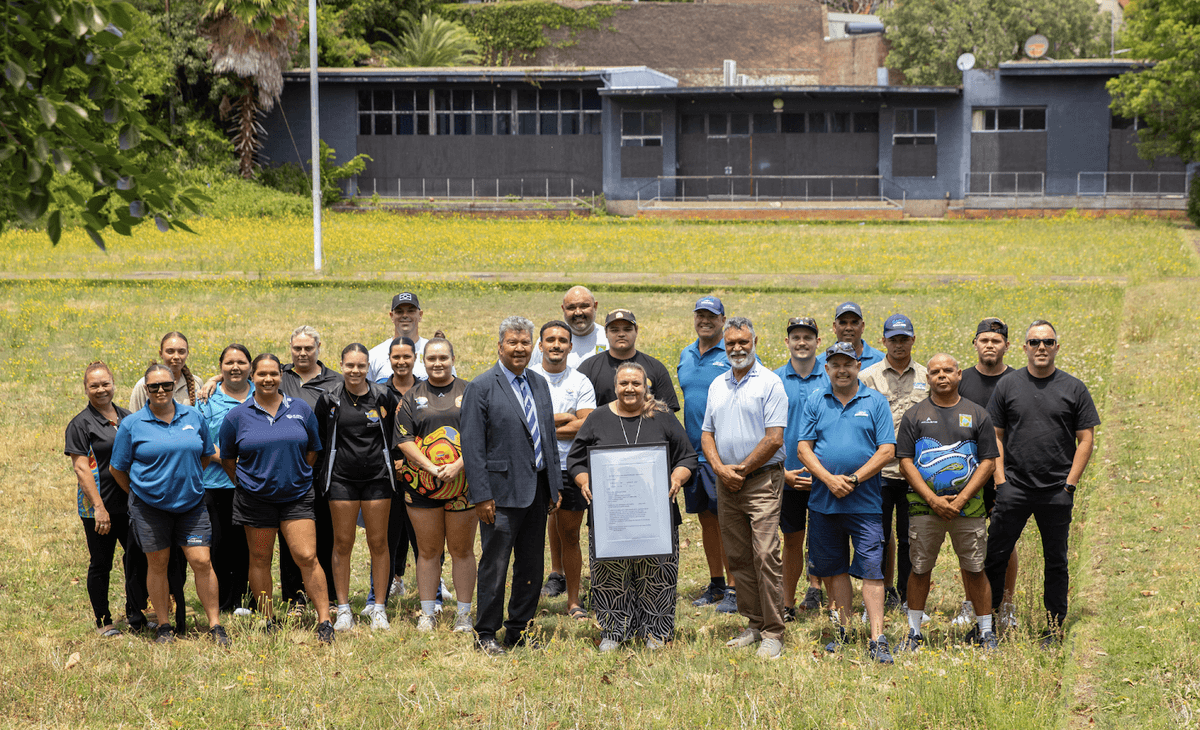
Procedural changes under the Bill, such as automatic consent for land leasing and extending landowner applications to include all Crown land rather than designated areas, were touted as reducing red tape and simplifying approval processes. But these relaxed regulations also mean land that is leased or earmarked for development, even if not actively used, may be treated as in use or developable, making it unclaimable under the state's land rights Act.
"Instead, the reforms appear to favour land held under leases, land banking arrangements or future development plans — even where land remains effectively idle," a NSWALC statement reads.
This reduces the pool of claimable land available for return to Aboriginal communities, potentially before they even know it exists.
"If passed, the changes will erode Land Rights in NSW and overturn more than 40 years of hard work by the Aboriginal Land Rights Network to return land to our people," NSWALC said.
"This was a deliberate move to sneak through an amendment under the guise of 'minor procedural amendments, but these are not minor changes."
Broader impacts on communities
Beyond legal claims, the Councils believe the Bill will have further consequences for housing, employment and community development, particularly in regional and remote NSW.
"The hollowing out of Land Rights is going to be really significant. It's a lost opportunity for housing and jobs, particularly in regional and remote NSW," said Metro LALC.
"This is not a land grab. It's not Aboriginal people getting a handout - it's about a fair go for all, and making things right."
NSWALC Deputy Chairperson, Leeanne Hampton, also raised concerns about the Bill's impacts on the viability of LALCs, Local Councils and regional landholders.
"The Bill will have a significant impact on the viability of Local Councils and LALCs across NSW, with the Minister having powers to impose costs and make orders with respect to neighbouring properties," she said.
"These powers far exceed the rights of ordinary property owners and should be of concern to all regional communities."
Concerns ignored
On Friday, representatives from Metro LALC and NSWALC met with the Premier's Office and ministerial teams, including NSW Minister for Aboriginal Affairs and Treaty David Harris, to raise their concerns about the Bill.
However, they say those concerns were dismissed.
"Heartbreaking," a joint statement reads, "Politics is a grubby game, and it's disappointing that it's come to this...We should be focused on getting on with delivering outcomes for communities, not wasting resources on this."
"We have been working in partnership on a number of fronts toward common goals, and then this...to have the rug pulled out from under us is devastating."
NSWALC Chief Executive Officer, Clare McHugh, maintains NSWALC will fight to oppose this legislation.
"For more than 40 years, NSWALC has fought for the rights and recognition of our people. Today is no different. We staunchly oppose these changes and will do everything we can to halt its progress," she said.
"Our Network will stand together in a call to amend every egregious aspect of the Bill."
NSWALC encourages all Aboriginal people and Allies to stay informed, raise awareness locally, and engage with their local MPs.



