
The US Trump administration's agreement with Denmark has left Inuit people in Greenland/Kalaallit Nunaat concerned over the control of their Indigenous land, resources, culture and political future.
The recent deal was signed to allow the US to increase its foreign military bases in the territory.
It comes after president Donald Trump announced at the start of this year his plans to annex the Danish territory, with specific reference to its mineral wealth.
The verbal threat from Washington drew thousands of largely Inuit protesters into Nuuk, the capital city of Greenland, where 90 per cent of its 57,000 national citizens are of Indigenous ancestry on the Kalaallit Nunaat arctic homelands.
Greenland's traditional Indigenous people are expected to have a very limited influence over decisions shaping their own lives under the deal, according to one Greenlandic activist and Inuit attorney.
Aaju Peter said the move by the US has all but forced Inuit people to call for its own sovereignty from Copenhagen.
"We are demanding that these decisions and everything else that's happening should be made with us that you can't just take over a people or Indigenous people just because you think you're so superior," he told New York-based news program, Democracy Now!
"You actually have to have a conversation with the Indigenous peoples of Greenland."
This issue cannot be fully understood without considering Greenland's colonial history with Denmark which included forced assimilation of Inuit children, the suppression and marginalisation of their Greenlandic language and culture, and in which contraception methods had been forced on thousands of young Inuit females, often without their informed consent.
Mr Peter also argued Greenlanders want independence from Denmark first before control of the US is forced on the Inuit, which is like exchanging "one outside power for another".
The US deal, which was provisionally agreed two months earlier, could potentially have severe consequences for Greenland's security and strategic future as it has not been strictly negotiated with the consent of the Inuit people.
But Denmark's parliament had on Thursday joined Greenland's Inatsisartut parliament in approving the geopolitical move unanimously with no opposition from either of the state's houses.
"We must accept that peace and stability are no longer something we can take for granted," Greenlandic Foreign Minister and chairman of the governing Inuit Ataqatigiit party, Mute Egede, said.
The agreement includes two additional US military defence posts, located in Narsarsuaq and Mestersvig, both on traditional Indigenous homelands.
The expanded military presence could restrict access to Inuit areas, disrupt cultural activities and change how the communities use their environment just as the land is used increasingly more by American military priorities rather than Inuit needs.
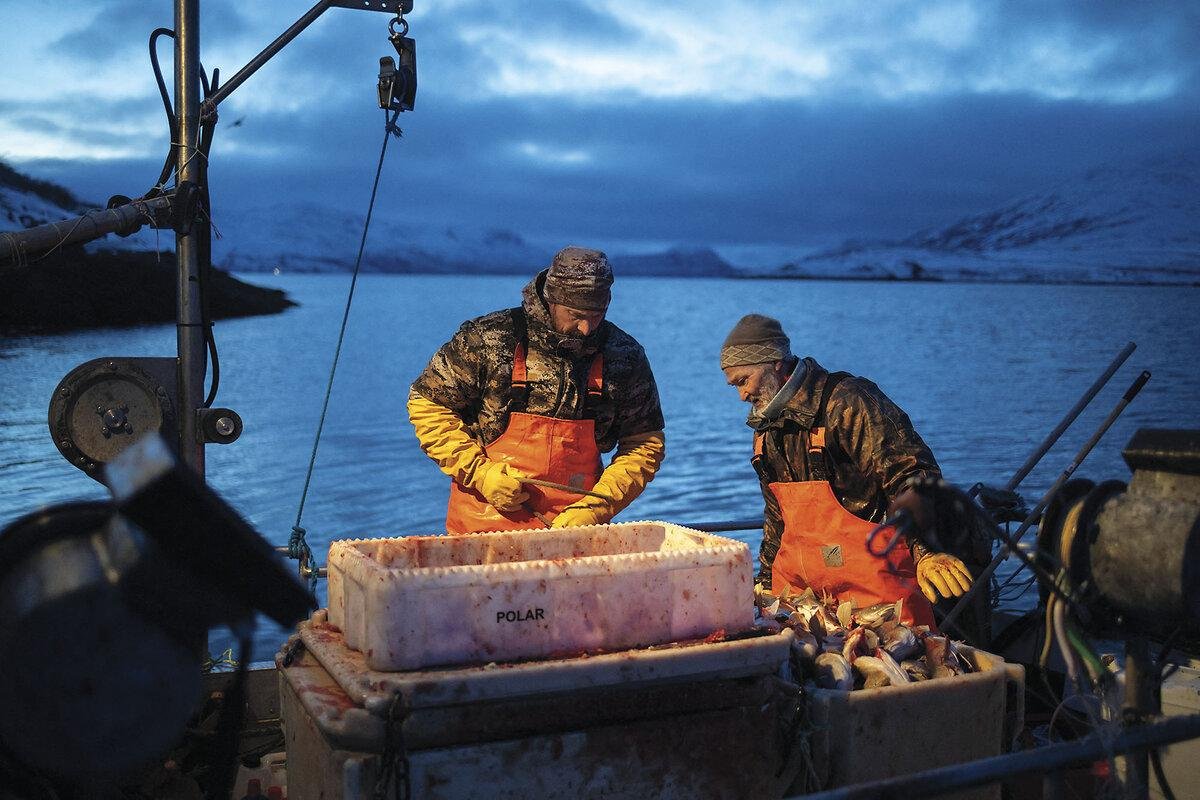
Specific impacts on the Inuit people include the loss of control of traditional hunting and fishing methods, food security affecting self-sufficiency, cultural and linguistic identity, traditional knowledge passed down between generations, and spiritual and ancestral connections with Inuit places.
Greater environmental pressure is particularly of real concern, as Inuit livelihoods are closely connected to the natural Arctic environment over increased military construction disturbing fragile Arctic ecosystems, increased shipping and infrastructure affecting polar wildlife and the exploration of rich minerals potentially damaging Inuit hunting and fishing grounds.