

Rangatahi (young people) Māori are being encouraged to enrol and vote in Aotearoa's (New Zealand) upcoming election, with decisions on housing, education, mental health and Te Tiriti o Waitangi (the Treaty of Waitangi) shaping their futures.
Ngaati Hauaa, Ngaati Tamateraa and Ngaapuhi woman Te Aorangi-Kowhai Morini, who works in youth mental health with Te Rau Ora, wants young people to recognise how politics affects their everyday lives.
"I think what's at stake is whether or not rangatahi in Aotearoa have the opportunity to thrive or survive," Ms Morini told National Indigenous Times.
"Whether young people realise it or not, or whether they choose to engage with politics or not, it will affect their lives directly."
People cannot enrol or update their details after that deadline.
Ms Morini wants voters to consider which parties will invest in education, employment, housing and mental health support before young people reach crisis.
"For me, it comes back to investing in rangatahi and their whānau (extended families) before they reach that crisis level," Ms Morini said.
"We shouldn't have this many rangatahi in the justice system."

Her concern extends to people whose circumstances leave them struggling to meet basic needs.
"I have everyone else that might not understand that they can vote," Ms Morini said.
"I have them in mind when I am voting."
The government's stated aim is to clarify how Treaty provisions apply.
The Waitangi Tribunal found the reform process breached Treaty principles and recommended pausing it until meaningful co-design with Māori occurrs.
Te Whānau-ā-Apanui man and Te Pāti Māori (the Māori Party) co-leader Rawiri Waititi has advocated making Tribunal recommendations binding on the Crown.
"The Waitangi Tribunal can investigate, hear evidence and make findings," Mr Waititi said in August.
"But governments can simply ignore them."
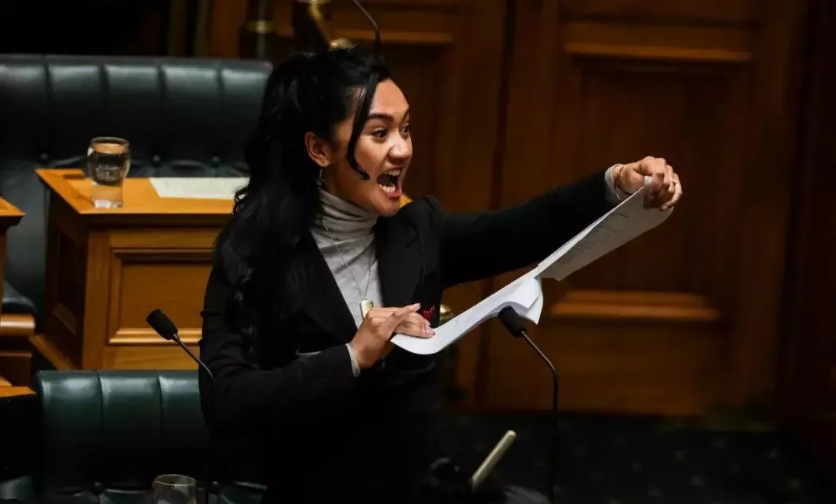
In August, Ms Maipi-Clarke challenged delays to Waikato River protections and called for iwi (tribes) and hapū (subtribes) participation in decisions affecting their whenua (land).
"Decisions about our whenua and communities must be made with the people who whakapapa (have ancestral connections) to those places," Ms Maipi-Clarke said.
For Ms Morini, voting builds on earlier generations' efforts to secure a voice, while political jargon can make participation feel inaccessible.
She understands why young people may feel disconnected, having once felt the same herself.
"I totally validate that feeling and there was once a time where I felt the same and I can fully, fully understand why young people feel that way, especially because of all the jargon," Ms Morini said.
Her message acknowledges voting's limits while encouraging people to hold elected representatives accountable.
"I don't think that we should tell young people that voting alone is going to fix everything because it won't," Ms Morini said.
"We shouldn't be putting politicians on a pedestal.
"It's actually our job to hold politicians accountable."
Ms Morini wants political conversations at home, in schools and among friends to focus on issues people care about, with young people involved throughout the year.
"Instead of telling people who to vote for, we need to start talking about the issues that matter to them," Ms Morini said.
"Young people shouldn't have to be invited into conversations when their vote is needed.
"They need to be invited in those conversations all year round, regardless of what the topic is."

She has also spoken with whānau aged over 50 who have never voted, highlighting the importance of conversations without shame.
First-time voters do not need to understand every aspect of politics to participate.
"You just have to care enough about what your future is for you to vote," Ms Morini said.
Ms Morini highlighted Vote Compass, which uses a questionnaire to show how users' views align with political parties.
For people unsure where to begin, Ms Morini encourages starting with their own priorities.
"Figure out what they care about... and try and find a party that might align with those values," she said.
Eligible voters can enrol or check their details at vote.nz before midnight on October 25, with advance voting in New Zealand beginning on October 26.