



Behind 223 works — from as many artists either incarcerated or recently re-entered the community — are the aspirations and reflections, both raw and hopeful, for the years ahead.
The Torch launches the sixth iteration of Future Dreaming this week, the exhibition set to open to the public on Friday, October 23.
"As I approach my release, I done this painting to represent the coming together of me and my kids," Wotjobaluk artist Lachy said in an artist statement.
"Although challenges may come, we will stay united and strong through our connection and bond.
"It's now time I rise above the circle of incarceration, leaving behind the traumas of my past as I shed my feathers and begin this new journey."
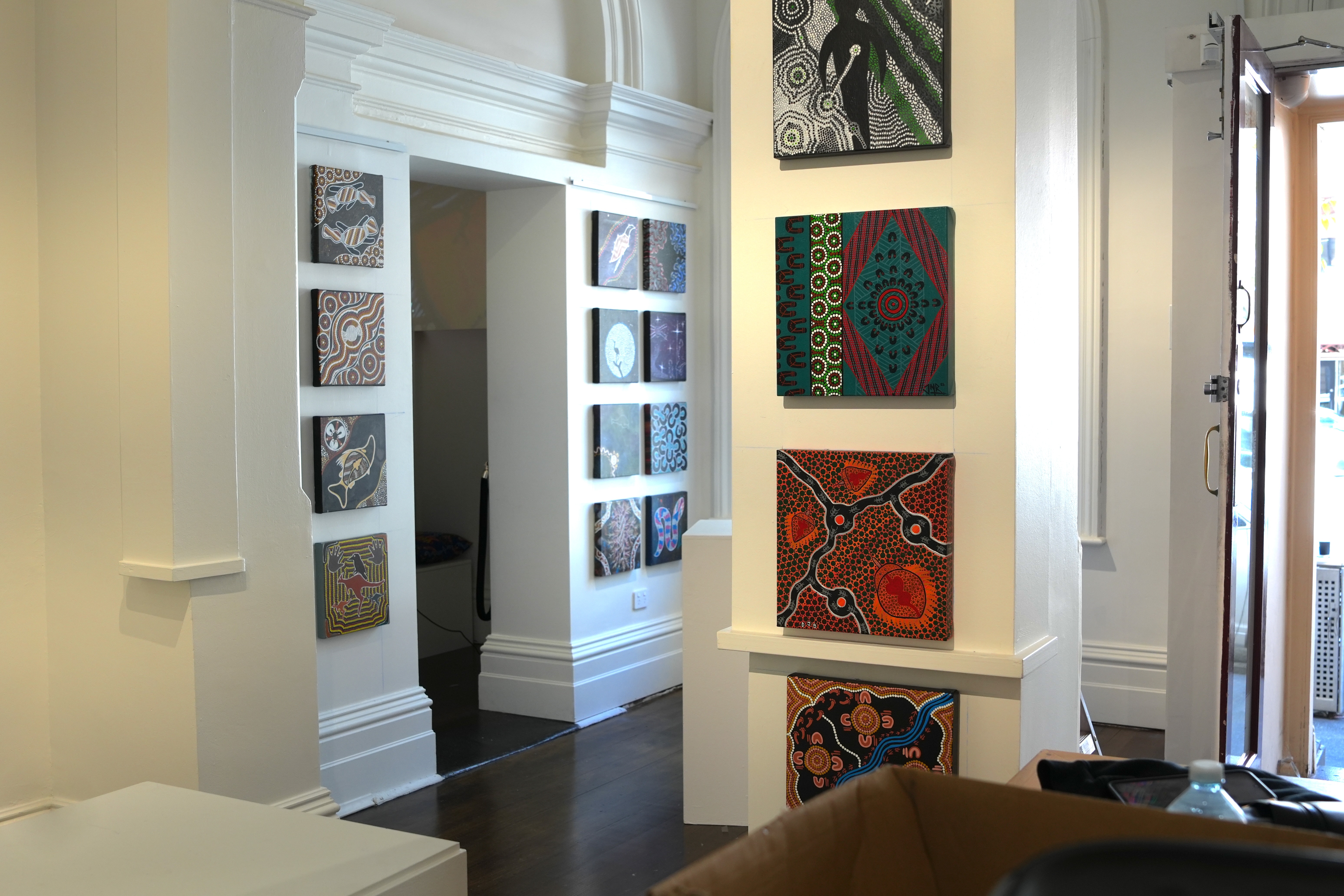
There's many aspects of what The Torch does.
Founded in 2011, the First Peoples-led, non-for-profit initiative engages with First Nations people in prison delivering visual art and cultural practice, and keeping their doors open for those its worked with to continue on with their support after release.
It also provides a platform for the works created to be sold.
For those still incarcerated, around 70 per cent of sales enters a trust — dependent on what the artwork is purchased for.
The revenue contributes to food and other prison-associated expenses.
When the artist re-enters the community, they receive the entire funds earned.
As a practical measure, with some of those artists who got their start with The Torch, what they create ends up becoming a career, or another form of income.
Every artwork featured in Future Dreaming was created in prisons over the last few months.
Each artist is either currently incarcerated, or has been released in recent weeks.
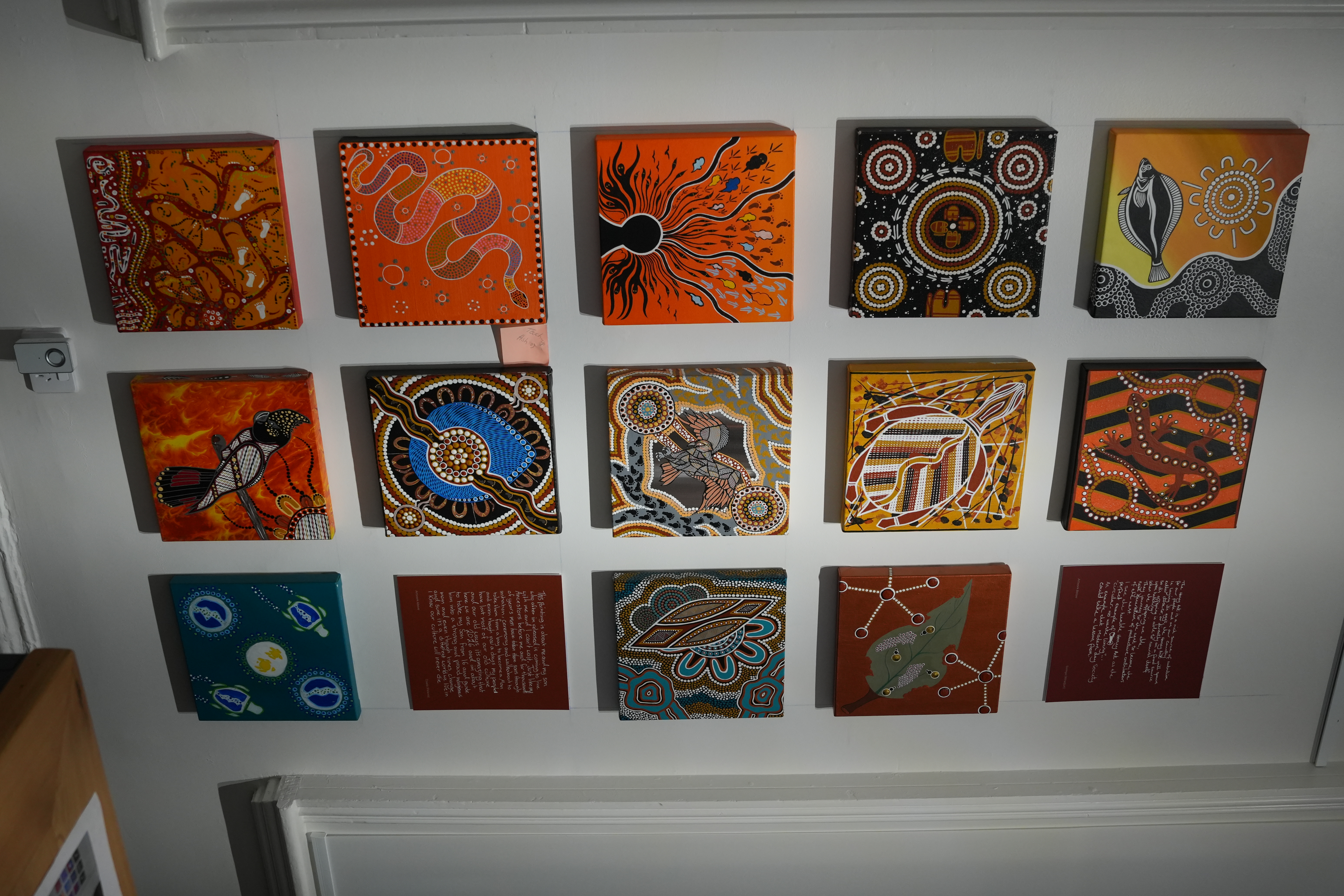
Wiradjuri, Wurundjeri and Yorta Yorta artist DA will have a work hanging in The Torch's Carlton gallery when the exhibition opens.
For DA, practicing art and becoming part of The Torch was "therapeutic" for them.
It'll be less than a fortnight since re-entering the community when he sees it, on the wall and up for sale.
"I'm speaking for myself, and probably others. It's a deadly program," DA said of The Torch.
In his artist statement for Future Dreaming, DA explains the his work "tells a story about four Goannas and two sprits".
"The two spirits are protecting the goannas and all their eggs," he said.
DA told National Indigenous Times those eggs represent the future.
Artworks from men's prisons make up about 90 per cent of the exhibition.
They're visions of the future by incarcerated people from 13 facilities across Victoria.
The same goes for the works coming out of two female prisons.
First Nations people in Victoria are incarcerated at more than 10 times the rate of non-Indigenous people.
At a previous exhibition by The Torch, Barkinji man and acclaimed artist Kent Morris explained in a better world they wouldn't have to exist as a program and initiative.
For the first time, buyers of pieces in Future Dreaming have the opportunity to write postcards to the artist behind what they'll take home.
There's an opt-in option to continue on with an ongoing two-way conversation, similar to pen pal initiatives.
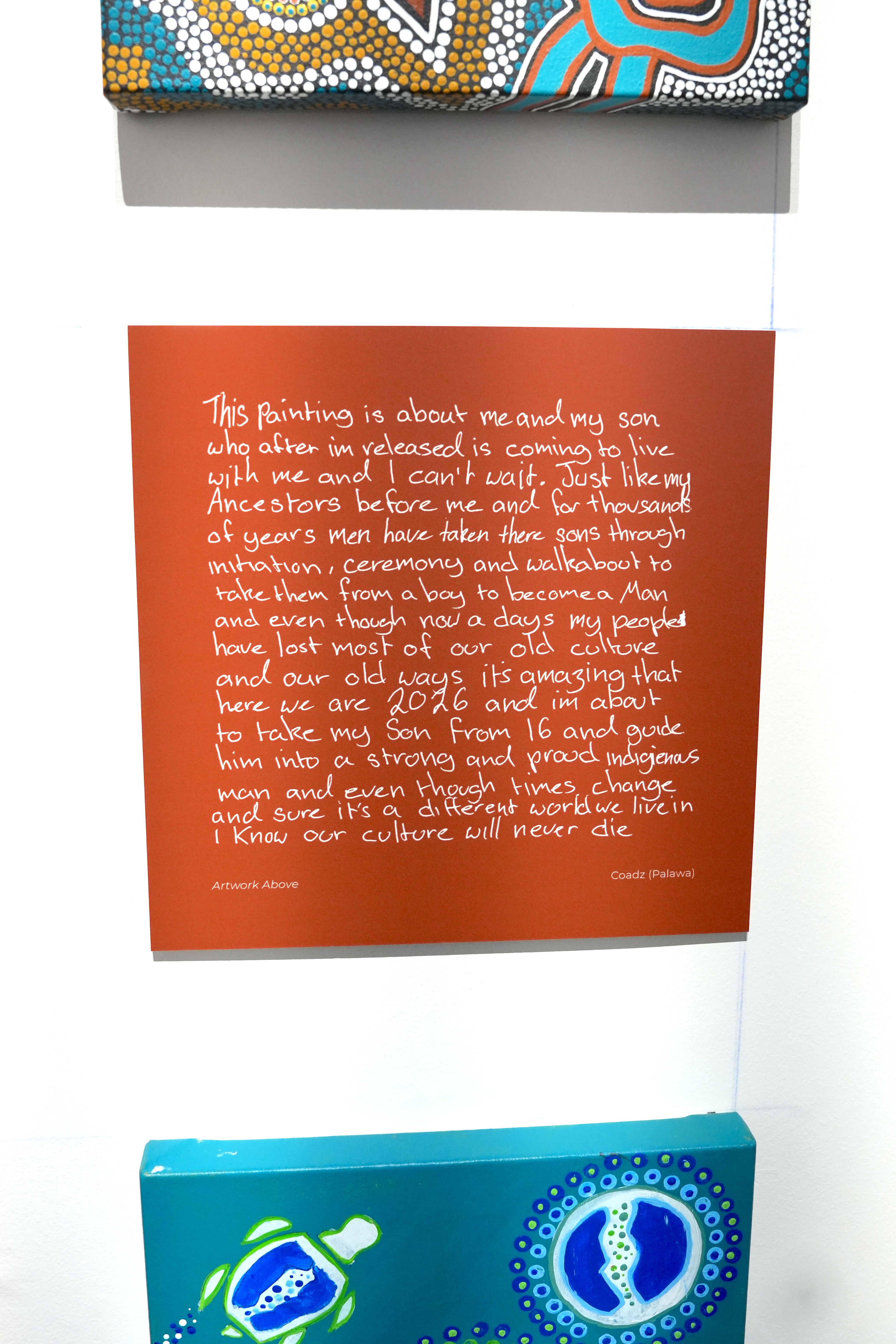
Accompanying the hanging artworks are lengthy personal reflections and expressions of visions for the years ahead in the handwriting of six artists who've penned them.
They will also feature in a video element of the exhibition, with voiceovers granted by corrections to be recorded inside the prisons.
Lachy's words, where the earlier excerpts were taken, are from his writing about 'Shedding These Feathers'.
The artwork featuring Girrin, the black cockatoo and his totem, is a kind of theme for Future Dreaming, The Torch cheif executive and Martu woman Susannah Day explained.
"My Future Dreaming is about trying to reconnect and form a positive relationship with my children, so I can be the best father for my son and daughter," Lachy said in his statement.
It changed my life
In the 2025-26 financial year The Torch handed back $1.47 million in sales to the artists they're connected with.
A number of artists who were once part of the program as people with lived-experience of excarceration go on to work with the organisation.
Ash Thomas has done exactly that.
He first connected with The Torch more than a decade ago.
Mr Thomas told National Indigenous Times drugs and alcohol were once having a major impact on his life before he first picked up a painbrush in prison "and never looked back".
"It changed my life," he said.
In addition to painting, Mr Thomas said getting involved with the program also helped him learn about culture and grow in his journey of identity and who he is.
"Identity, being someone respected in the community and at work, watching other people grow and helping them on their journey with their art," he said of the program means most to him, he said.
"I could keep going on. There's so many things".
Mr Thomas is at the gallery this week hanging Future Dreaming artworks.
He works at The Torch three days a week.
Willow is another artist with a work featured in Future Dreaming.
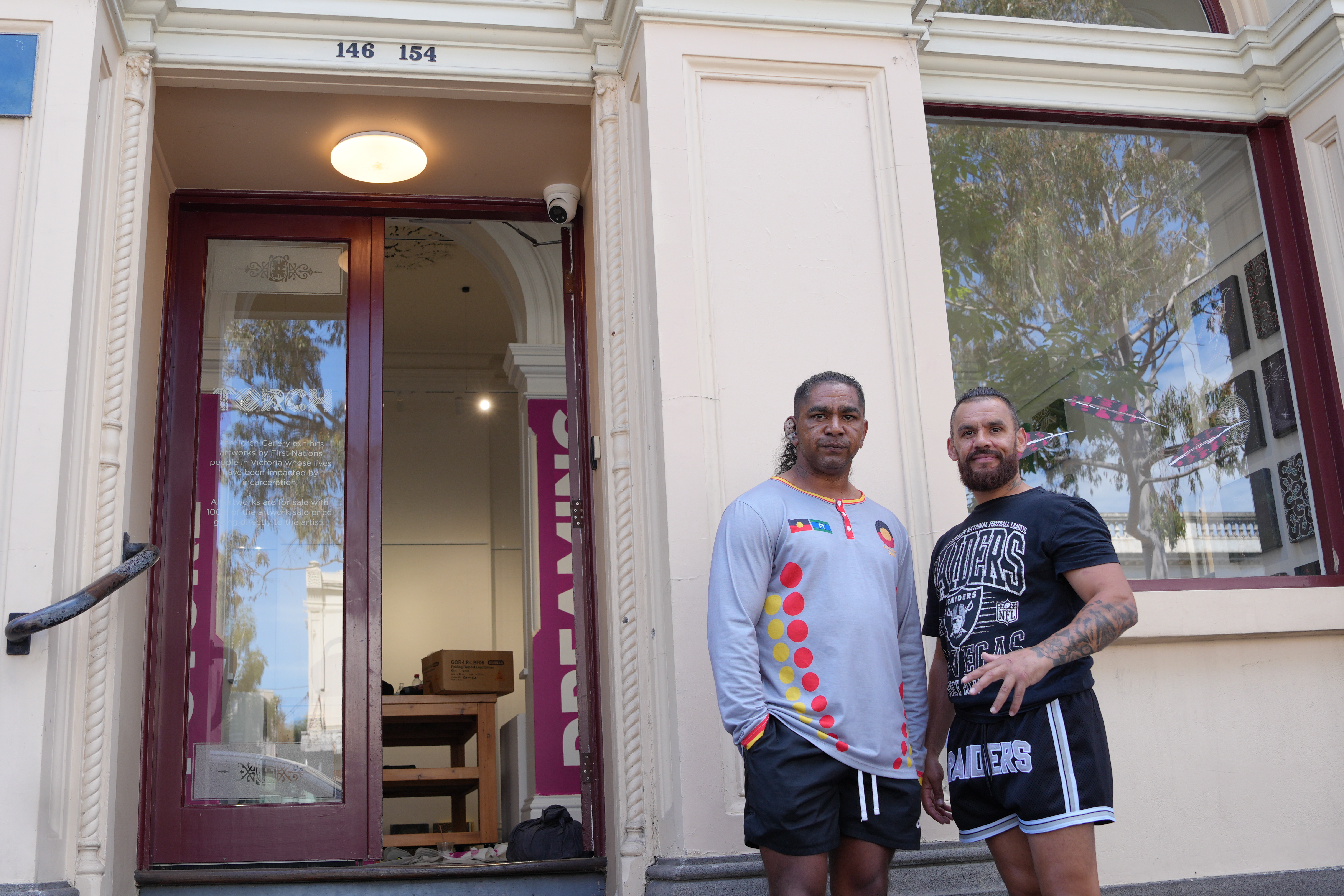
Willow explained his artwork is of a spirit, an inner spirit, experienced and coming experiences of walking in two worlds, First Nations and non-Indigenous, reconnecting back in the community and finding his way in society and life.
The program has given Willow an opportunity to connect, yarn and connect with his roots.
Owning the outcome
The Torch Project chief executive Susannah Day recounted the limited ability to enter prisons during the COVID-19 pandemic which led to the launch of Future Dreaming.
All cultural programs were paused during the period.
At the time, Ms Day was programs manager.
During the lockdowns, she said a sense of being forgotten, lonely and isolated was raised in conversations with an artist.
"What I heard was 'We have no hope. We can't conceive of the future', and I think we all felt a bit like that," Ms Day said.
"We asked artists to paint their vision of the future...put them on the wall for the first time, and every single one sold."
She says Future Dreaming is a "pulse check" for the experiences inside.
From artists being involved in installing exhibitions, similar to what they are for Future Dreaming, to the bigger picture of "showing all the parts of the creative industry, and that the reality of being an independent artist", lincensing, fees, even building a resume for employment; this is all part of The Torch, Ms Day added.
It's about those engaged "really feeling like they're owning the outcome," she said, and not purely transactions when it comes to sales.
Trust and building confidence are important parts of it, she added.



