




Traditional Owners across Queensland are leading research on Country to better understand how Cultural Fire and Indigenous Knowledge Systems can strengthen climate resilience, support healthier grazing landscapes and restore Country.
Through the Indigenous Knowledge for Climate Resilience project, Traditional Owner groups are working with Living Knowledge Network and The University of Queensland to investigate how Cultural Fire and Indigenous Knowledge Systems can support healthier and more resilient agricultural landscapes.
For Living Knowledge Network, this is not a new way of doing research. It reflects how research on Country should be done, with Community determining the questions, holding authority over their knowledge, and deciding how what is learned is shared and used.
As the project enters its second year, early observations include: Indigenous grasses returning in areas heavily affected by invasive species, changes in vegetation following the return of the right fire, and landholders deepening their understanding of Country to inform grazing and land management decisions.
These observations point to Country recovering and grazing landscapes becoming more resilient through Community-led practice, careful observation and growing evidence.
A recent visit by Tagalaka Rangers to the University of Queensland laboratories highlighted this connection in action.
Rangers travelled to Brisbane to see soil samples collected from their own Country being analysed, creating a direct link between observations made on Country and scientific testing.
Through the partnership with The University of Queensland, observations made on Country are contributing to a growing evidence base that can help track change over time.
At this stage, the project is building the baseline needed to understand that change, while keeping interpretation grounded in the knowledge of Traditional Owners, Cultural Fire Practitioners and landholders who understand each place.
Rather than separating evidence from the people and Country it comes from, the project brings together Indigenous Knowledge Systems and scientific tools to better understand what is happening on Country, while ensuring authority remains with Community.
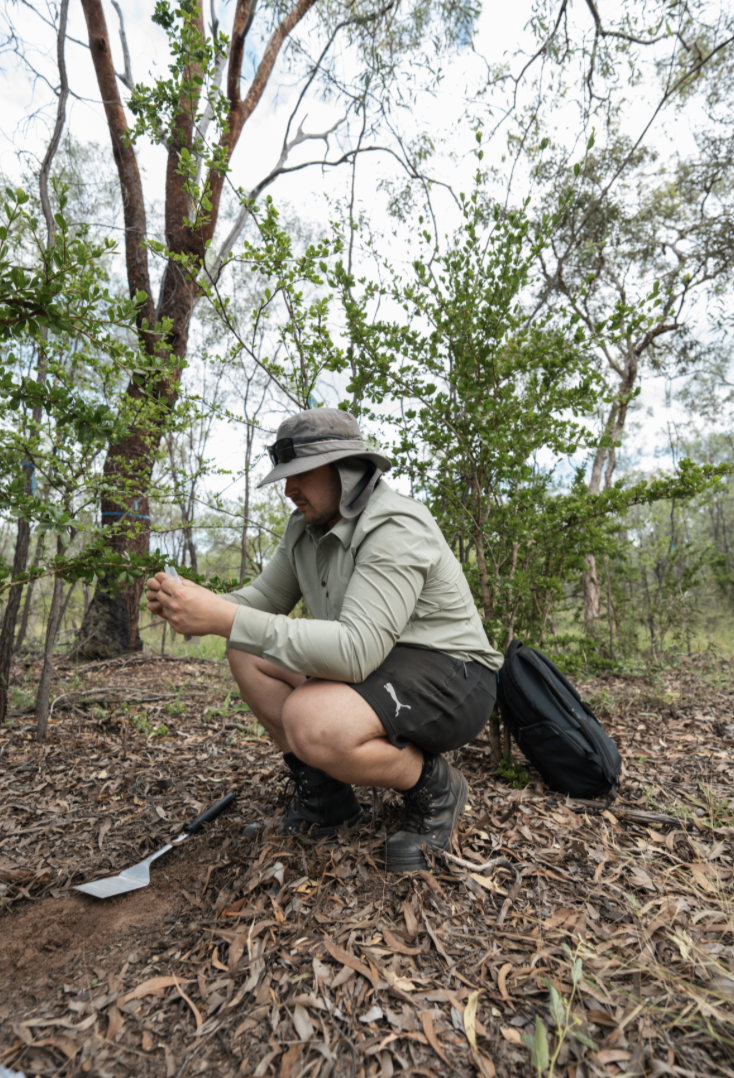
Dr Joseph Nastasi from the University of Queensland's School of Agriculture and Food Sustainability is collaborating with Traditional Owners from Communities across Queensland as the project's Postdoctoral Researcher.
His role supports Community-led priorities and helps ensure Indigenous Knowledge Systems remain central, respected and protected throughout the research process.
"The University of Queensland is proud to partner with Living Knowledge Network and a consortium of Traditional Owner groups on this Indigenous-led initiative," he said.
"UQ has a long-standing history of working alongside First Nations Communities, grounded in respect, trust and shared goals.
"This project represents an important step towards co-developing solutions that centre Indigenous Knowledge Systems and support more sustainable, resilient land management practices in Queensland."
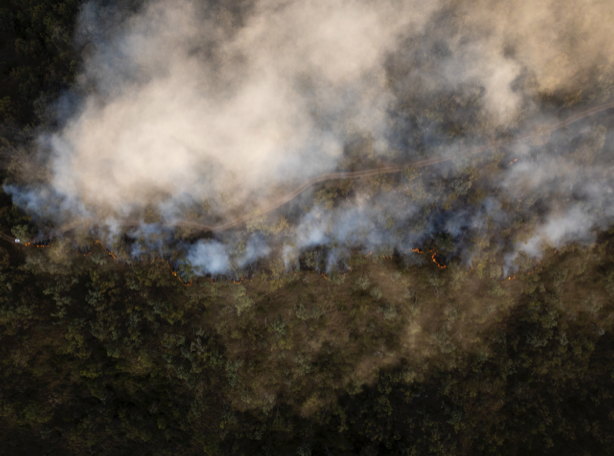
The project is generating evidence that Indigenous Land Management practices can support healthier grazing landscapes, helping landholders adapt to changing climatic conditions while improving long-term landscape resilience.
It is also creating pathways for Indigenous researchers, supporting Community members to build research skills while remaining connected to Country, Community and cultural authority.
Together, these changes demonstrate what is possible when Indigenous Knowledge Systems, Cultural Fire practice and scientific monitoring work together, with authority remaining in Community. This approach supports grazing landscapes that are more resilient, sustainable and able to support food production into the future.
For more fashion, arts, culture and lifestyle news subscribe for free to the Style Up newsletter.



