



While a 12-year-old boy being accused of stealing a car in Perth's east last week made headlines, advocates say the real story is how the justice system traps children in cycles of incarceration.
The Aboriginal boy was arrested after a police pursuit through High Wycombe late on Wednesday night.
Officers deployed a tyre deflation device and found him in nearby bushland.
He has been charged with six offences, appeared in Perth Children's Court the next day, and was remanded in custody ahead of a bail hearing on 25 September.
Channel 9 Perth anchor Michael Thomson framed the story starkly: "Most 12-year-old boys would be doing their homework, maybe excited about watching some TV, but one 12-year-old boy is in custody."
That contrast resonates with suicide prevention advocate Gerry Georgatos, who says many Aboriginal children never get the chance to have an ordinary school night.
He argues the system offers punishment rather than support, leaving children to fall through gaps that were visible long before their first arrest.
Like many Aboriginal children in detention, the boy was under state care with WA's Department of Communities.
The scale of the crossover between child protection and justice systems underlines how common these stories are.
Nationally, three in four First Nations youths under justice supervision have also been in contact with child protection, compared with just over half of non-Indigenous youths.
WA has one of the highest rates of overlap between the child protection and criminal justice systems in the country, according to the Australian Institute of Health and Welfare.
The boy's childhood was already marked by loss — his mother died when he was very young, and his father has been in and out of prison.
Soon after his mother's death he was "known to police," Mr Georgatos said, and by 10 he was in custody.
"He was born into unfairness of such an extreme nature most Australians wouldn't understand," Mr Georgatos told the National Indigenous Times.
"At important junctures in his life — loss, grief, trauma — there should have been crisis intervention and validation from counsellors and mentors.
"That just didn't happen. And it hasn't happened, not just for this boy, but for hundreds of children."
Research shows the impact of parental loss can be profound.
A seven-year study by the University of Pittsburgh found children who lose a parent are more than twice as likely to develop depression and long-term academic and social impairments compared with their peers.
Advocates argue his case underlines the need for alternatives that keep children connected to family, culture and community; and out of custody.
"You need to be able to consult these young kids, understand why they're doing all these things, and supply and invest in the right things," Social Reinvestment WA advocate Ronald Bin Swani told the National Indigenous Times.
Mr Georgatos echoed the Mr Bin Swani's sentiment saying "real reform depends on programs built around mentoring, psychological support and rehabilitation".
One such initiative is Marlamanu, an Aboriginal-led project by KRED (Kimberley Regional Economic Development) Enterprises in the Kimberley designed to keep boys aged 14 to 17 on Country, learning pastoral skills alongside schooling and cultural support.
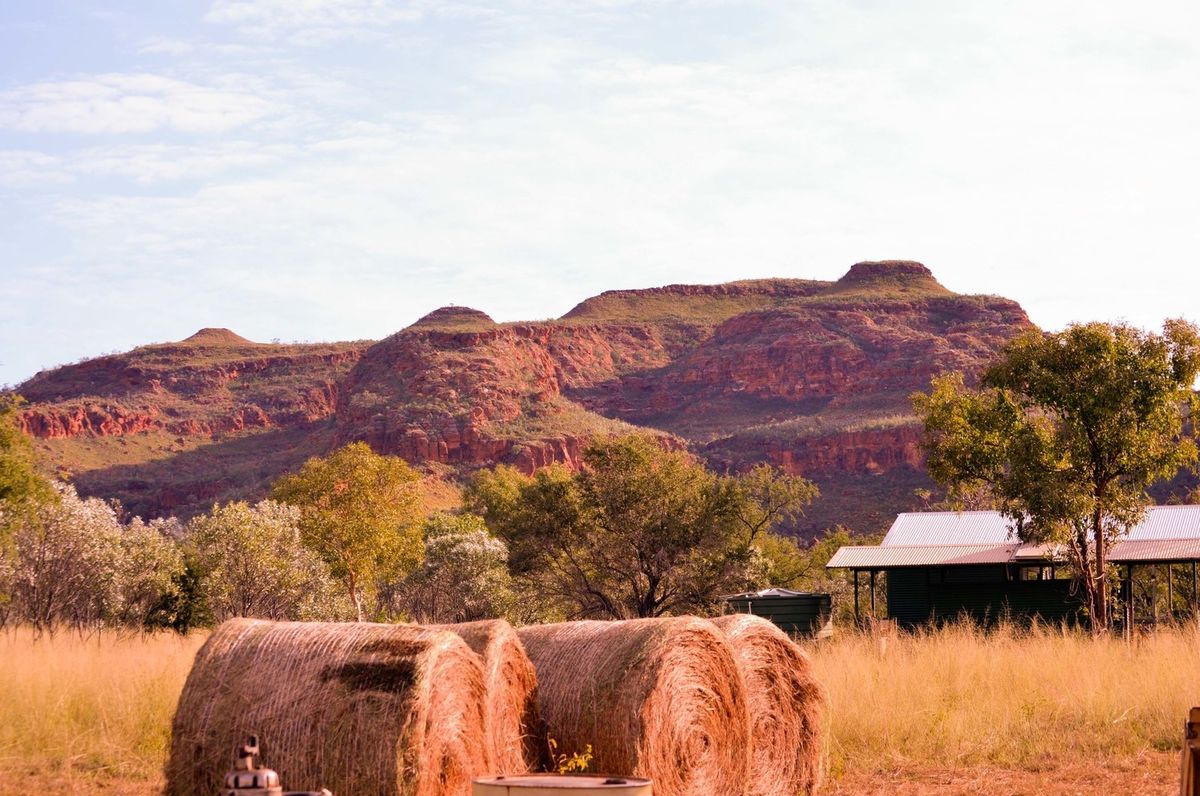
The WA Labor government committed funding and it was due to open in early 2023, but floods in Fitzroy Crossing, a relocation to Mount Anderson station (120km east of Broome) and extended planning delays mean the first cohort is now not expected until late 2025.
In June, Minister for the Kimberley Stephen Dawson said his office was having meetings with KRED Enterprises, and that they were "working through a range of issues at the moment to make sure the facility can be up and running in the second half of the year".
Mr Georgatos believes the boy now in custody is one of many who could have benefited from such a program.
"It was a good option for First Nations children who would have been learning skills, cultural identity and working with mentors," he said.
"Instead, they are still being sent into a system that does nothing but prepare them for adult prisons."
In 2022, almost 80 per cent of First Nations young people in custody in Banksia Hill, WA's main detention centre for offenders aged 10-17 years old, returned more than once, according to the Australian Human Rights Commission.
For Mr Georgatos, while the young boy's plight pains him, it does not shock him.
"Unless we invest in early intervention, prevention, diversionary services, crisis management and post-crisis support, we will continue to see children like him funnelled into detention and prisons," he said.
The National Indigenous Times reached out to the Department of Communities for comment.



