




Elijah Murray can name friends from the Fitzroy Valley in Western Australia's Kimberley region who he believes should still be alive.
After losing them to suicide and addiction, he created a boxing gym where local men can train, talk and find support before crisis hits.
"Growing up here in the Fitzroy Valley, you experience a lot," Elijah, a proud Walmajarri and Gooniyandi man, told National Indigenous Times.
"You might not be able to make your bed in the morning, or brush your teeth at night, but you can come in here and do boxing, and it just shows you it's possible to do something that will help you get outside of yourself."
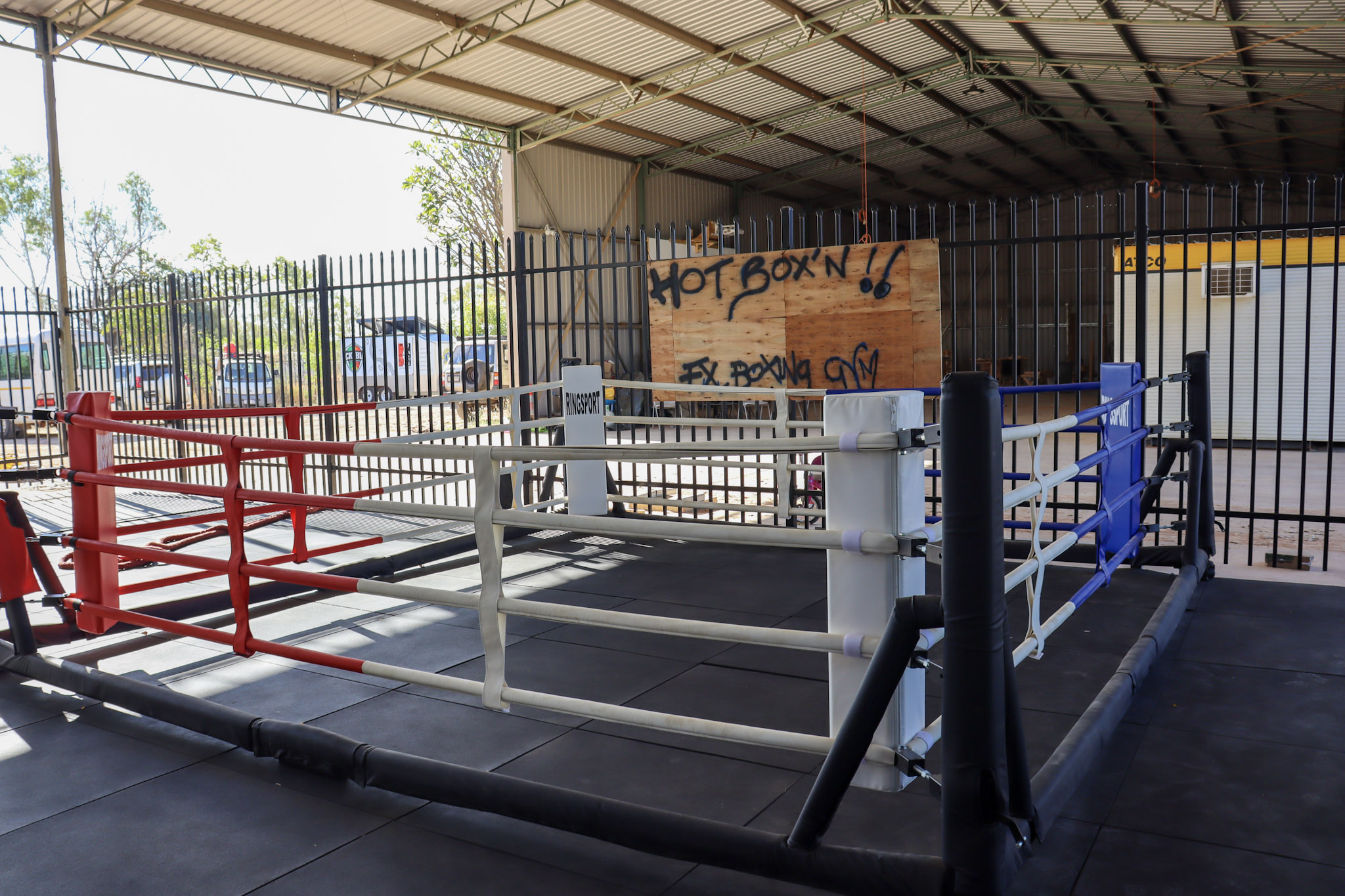
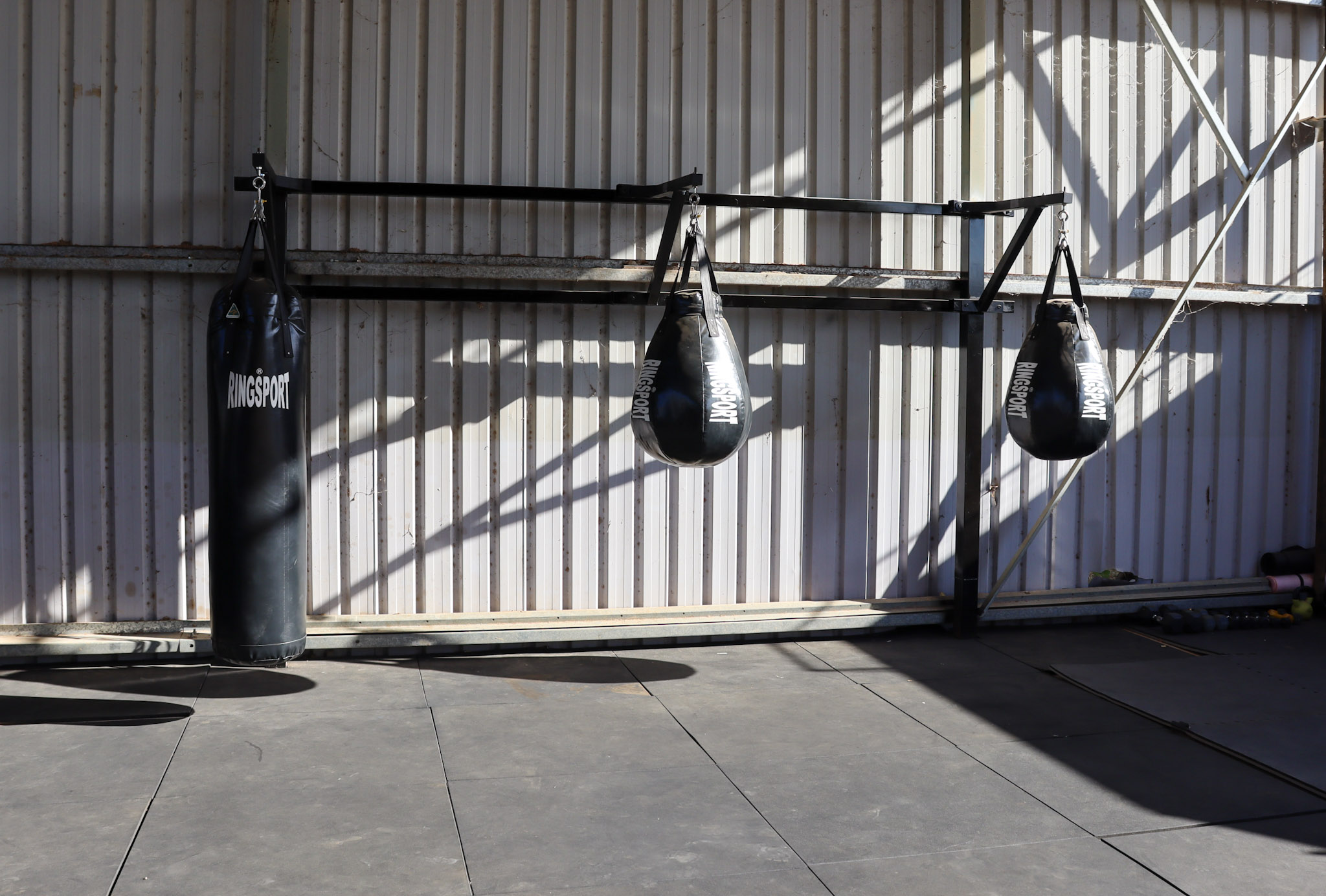
The free boxing gym called Hot Box'n, which will offer seven-days-a-week access and classes taught by Elijah in Fitzroy Crossing, was born from Elijah's mental health struggles and what he witnessed among young men in the region.
At 18, Elijah was on track for a football career, climbing the ranks at Claremont Colts in Perth and tipped for higher honours.
Injuries derailed his ambitions, leaving him isolated in Perth, drinking and struggling with his mental and physical health.
"I was an 18-year-old boy who had moved away from home thinking his footy was going to work out, but it didn't. I ended up drinking and getting overweight," he said.
"But when I found boxing, it really helped me. I quit drinking and got fit and felt better."
Now 26, Elijah claimed a unanimous win in his debut at Dragon Fire Boxing's Thunderdome 54 in Perth. He faces Mike Clash at the next Thunderdome event on August 28.

Boxing is only part of the story. Elijah also works as a men's empowerment program officer at the Kimberley Aboriginal Law and Culture Centre (KALACC).
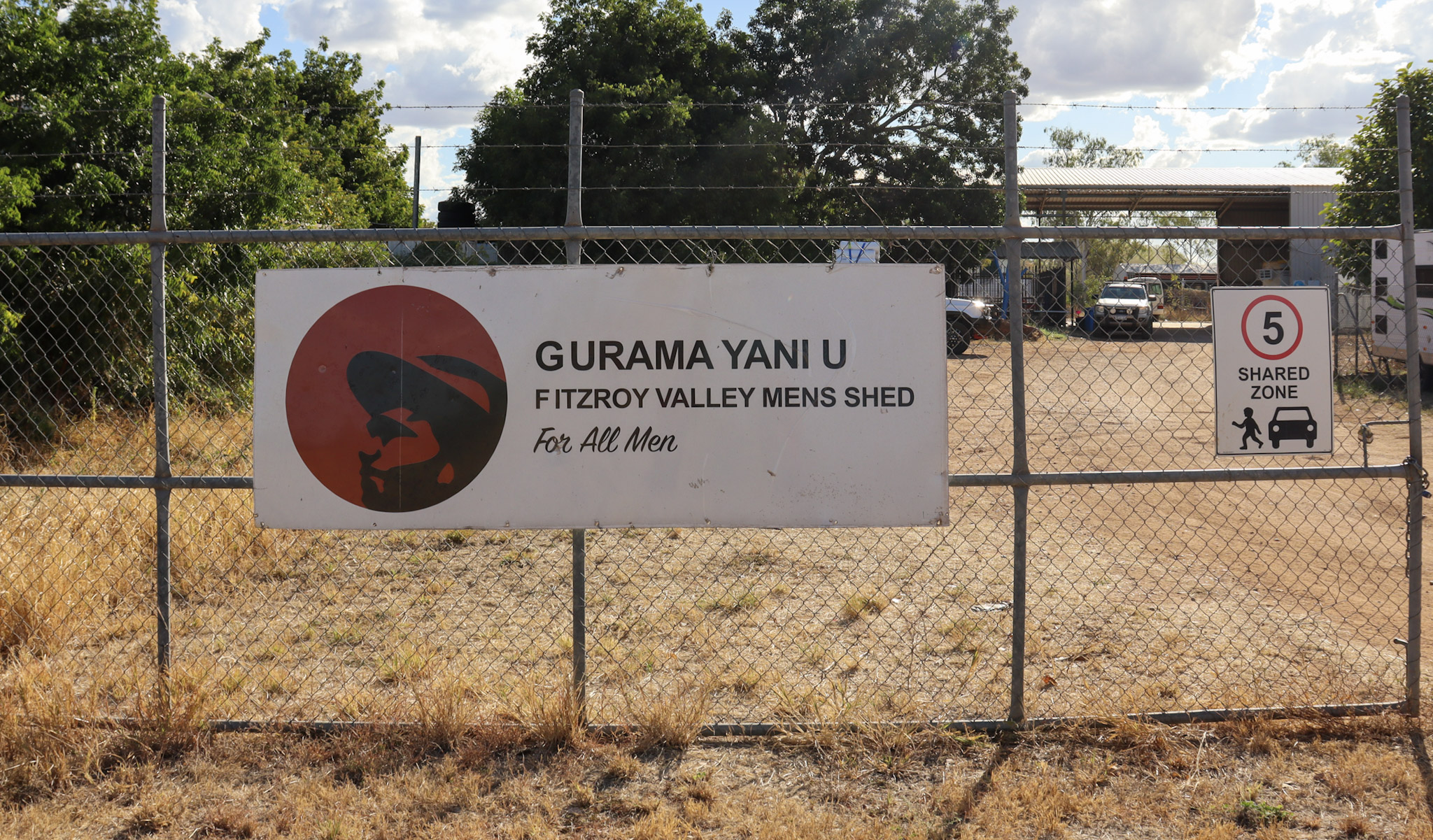
KALACC funded the gym and equipment, while the Fitzroy Valley men's shed, Gurama Yani U, supplied the space.
WA Health and Mental Health Minister Meredith Hammat welcomed Elijah's project, saying place-based and community-led programs were important in supporting cultural safety and wellbeing.
"The connection between physical health and mental health is vital, and access to active spaces for play, physical activity and exercise is important in supporting that connection," she said.
Men's Shed chairperson Ishmael Croft, a senior support worker at Nindilingarri Cultural Health Services, said exercise and human connection could help break cycles of addiction and poor mental health.
"My uncle had this metaphor which I apply to my work: addiction is like a whirlpool. You stop finding belonging or purpose, and then that lifestyle sucks you down and strips you of your potential," Mr Croft said.
"Having purpose in this life and connection to others helps you recover."
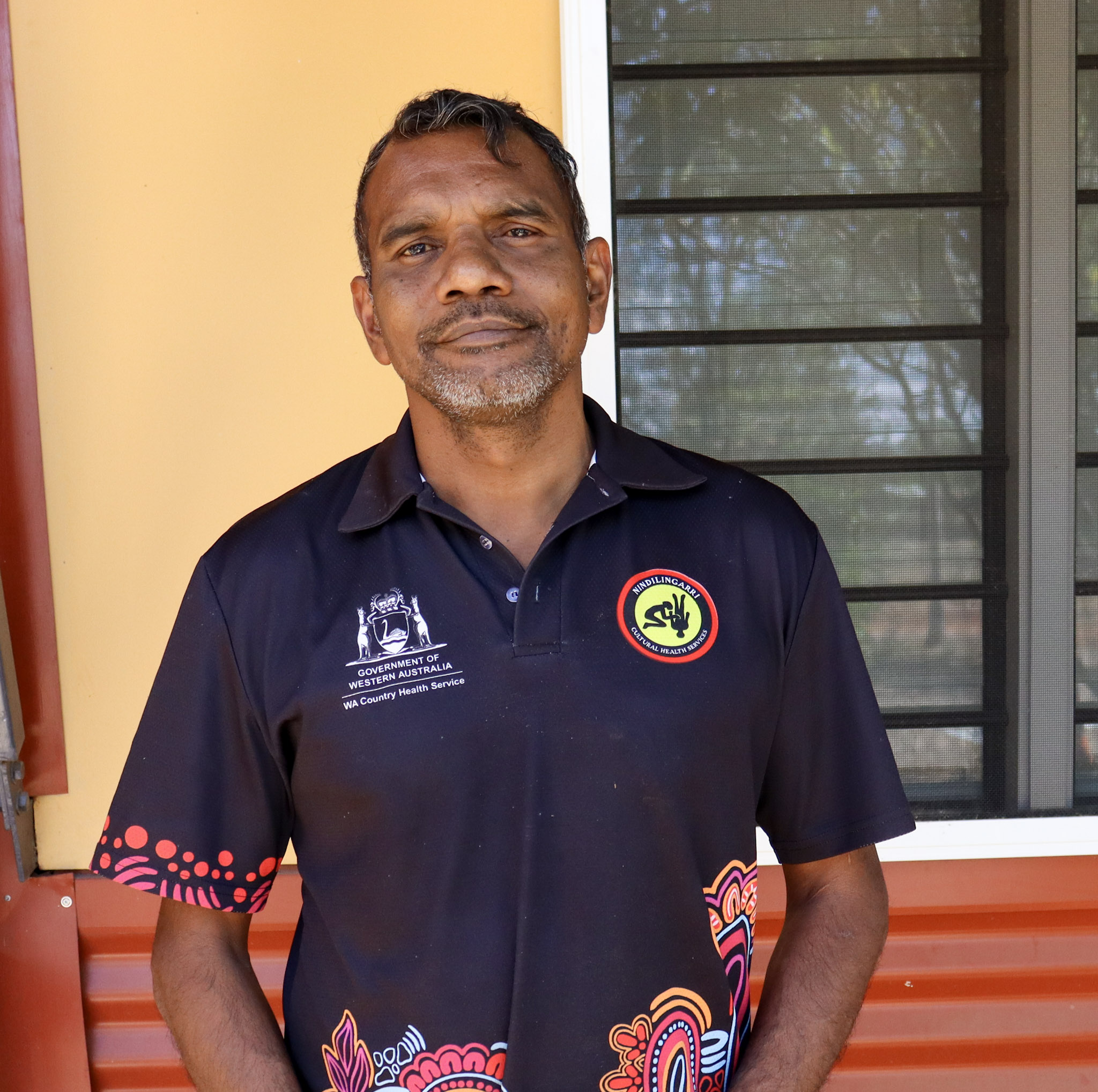
Supporting men in the Fitzroy Valley is personal for Mr Croft.
"In 2006, we lost almost 60 people in the Fitzroy Valley to either suicide or drug and alcohol-related deaths," he said.
"People died from things that could have been prevented if they had the right education, proper support and access to the right services."
The Australian Human Rights Commission later reported 55 funerals in the Fitzroy Valley in a single year, 13 of them suicides.
Community leaders called for a coronial inquiry, and in 2008 then-WA state coroner Alastair Hope handed down findings into 22 Aboriginal deaths in Fitzroy Crossing and elsewhere in the Kimberley, many linked to self-harm, alcohol and drug use.
The coroner found self-harm deaths across the Kimberley had doubled between 2005 and 2006 and were exceptionally high in the Fitzroy Valley.
More than a decade after the Hope Inquest, another coronial inquiry examined the deaths of 13 Aboriginal children and young people across the Kimberley between 2012 and 2016.
The findings, delivered in 2019, determined 12 had died by suicide, while an open finding was made in the remaining case.
Separate research in 2022 from Kimberley Aboriginal Medical Services and the University of WA found alcohol or other drugs were recorded in 65 per cent of self-harm incidents attended by police across the Kimberley between 2014 and 2018. Alcohol alone was recorded in 90 per cent of those substance-related incidents.
Elijah says substance abuse in the Fitzroy Valley is often fuelled by pressure to fit in.
"In some young people, there is a pressure in Fitzroy Crossing to be drinking on the weekend, smoking ganja every day, always having a cigarette," he said.
"When truly, that's not our culture. It's just developed recently in Fitzroy Crossing."
He sees the gym as a safe alternative, a place for men to heal.
"This is a safe place for men to come and speak their mind, to let us know what's happening in their life, and to find a boxing bag."
"You'll feel better after," he said, looking over as the afternoon light ricochets off gleaming punching bags hanging in the gym.



