



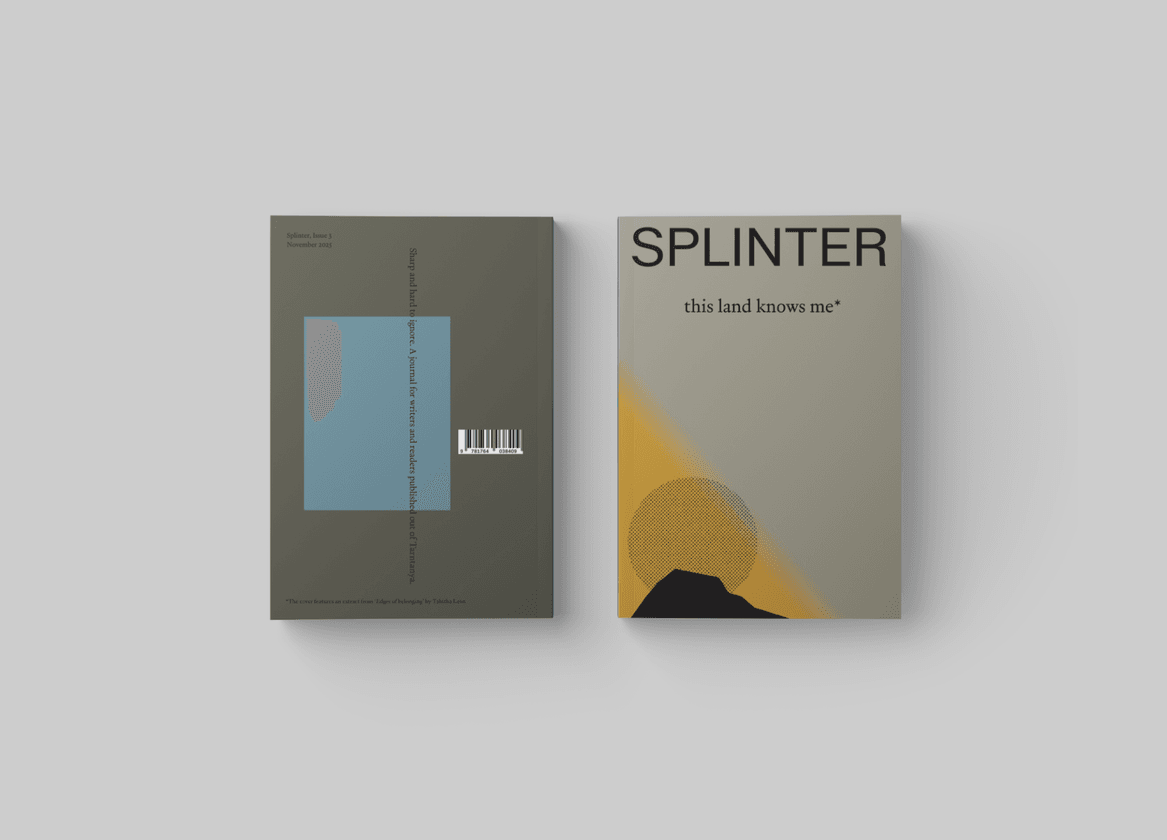
Splinter Journal launched its new First Nations issue on Thursday.
The Adelaide-based literary journal's First Nations issue invites readers to reflect on Indigenous experiences and resilient cultures through powerful voices and thoughtful storytelling.
With a spirit of truth and creativity, the issue amplifies Indigenous perspectives and challenges audiences to see history and the present in new ways. The First Nations issue also brings together Indigenous writers, poets, and thinkers from around the world to discuss pressing issues, including representation, survival, and belonging.
The collection reminds readers of the strength found in shared histories and the resilience that flourishes through creative expression. The issue celebrates not only the power of truth but also the unifying joy of storytelling as an act of cultural renewal, unity, and hope.
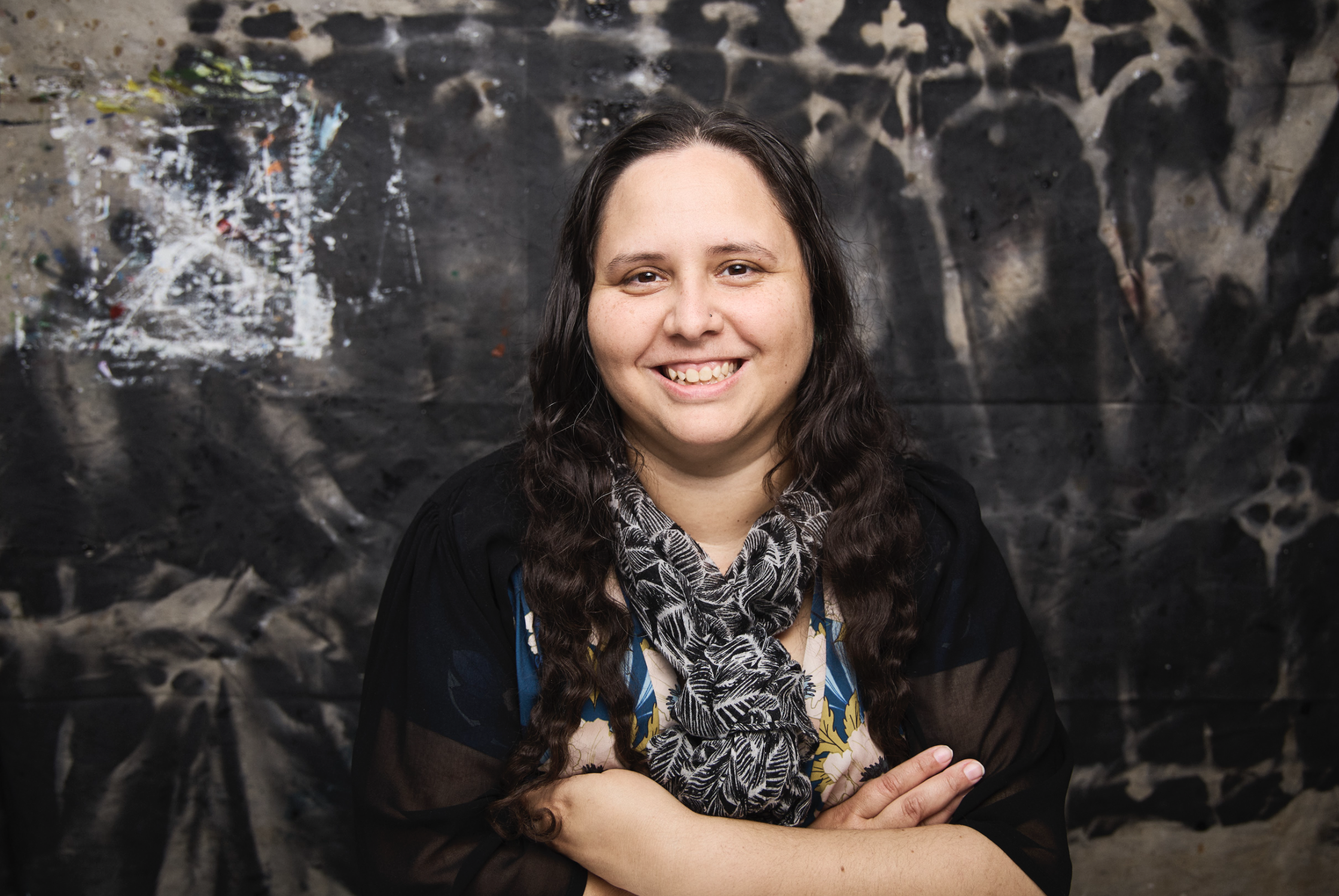
Guest editor - Gunai novelist and playwright Jannali Jones - described the issue as a "journey through justice and truth-telling that details the importance of our cultures, languages, and Country, and reflects on the past that still impacts us today".
"I hope readers will walk away with an appreciation of our diversity, and celebrate our cultures and languages alongside us," she said.
"All of these stories are part of the tapestry of Australia's shared history, present, and future."
Splinter's third issue is an accessible reading experience for people of all backgrounds, both Indigenous and non-Indigenous, and creates a space where readers can connect beyond pre-established narratives.
Jones mentored and collaborated with an editorial committee of seven emerging First Nations writers and editors while producing the issue.
"Not all Indigenous literature is or has to be political, yet even in fiction you can find new learnings about who Indigenous people are, what our families are like, and what our cultures - both traditional and modern - are all about," Jones said of the new release.
"We're so varied across Australia and the world, and there's still so many non-Indigenous people who know very little about us. Literature can act as a diplomat for our people. It's Indigenous people speaking with their own voices, not people speaking on their behalf, which is so important given we haven't always had the chance to do so."
Issue three features new poetry, short fiction, memoir, literary criticism, and essays exclusively by First Nations and Indigenous writers. The content ranges from poetry by emerging Narungga playwright Mali Harkin-Noack to writing by Ezzideen Shehab, a medical doctor in Gaza who chronicles his experiences.
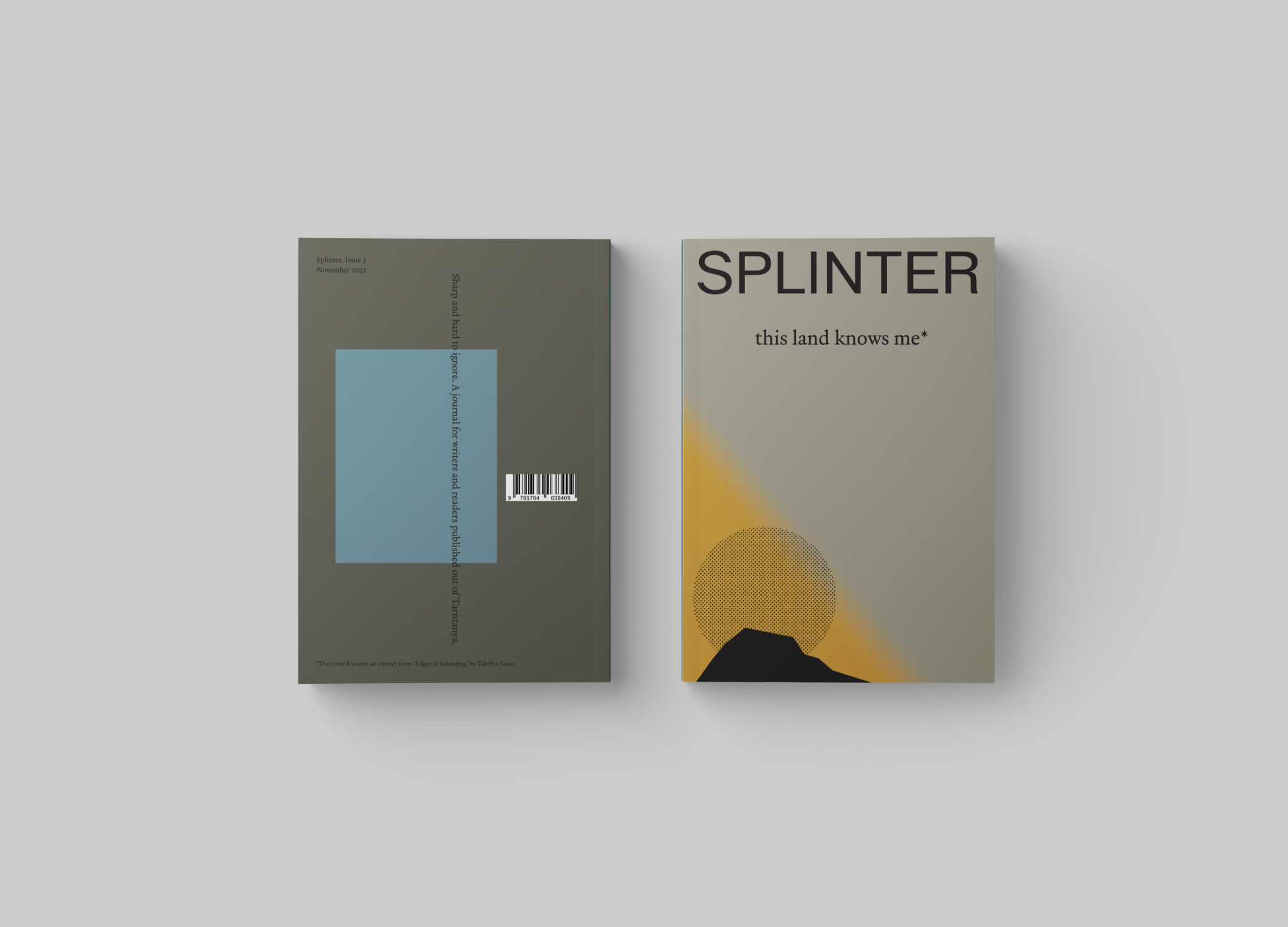
The journal captures both the collective and diverse individual experiences of Indigenous people through time and place, weaving together stories of home and kinship that resonate with their global siblings.
With writers hailing from Australia, New Zealand, Palestine, the US, India, and Canada, issue three platforms the voices of Jeanine Leane, Anne-Marie Te Whiu, Dakota Feirer, Susan Betts, Marcie R. Rendon, and many more.
Splinter is a literary journal published every six months out of Tarntanya/Adelaide by Writers SA in partnership with the University of Adelaide, UniSA, Flinders University. It is supported by CreateSA.
The First Nations issue was created with guidance from Splinter's advisory committee, which includes Yankunytjatjara poet and writer Ali Cobby Eckermann and Ngarrindjeri and Kaurna poet, writer, artist, and curator Dominic Guerrera.
The First Nations issue of Splinter is now available in bookstores and online.
For more fashion, arts, culture and lifestyle news subscribe for free to the Style Up newsletter.



