




A major funding boost for First Nations vocational education and training in New South Wales has been welcomed by the state's peak body for Aboriginal children, which says it will play a key role in delivering the initiative.
The Federal and NSW governments this week announced a joint $100 million investment, including $83.4 million to strengthen Aboriginal Community-Controlled Organisation (ACCO) Registered Training Organisations (RTOs). The funding is aimed at improving training delivery, course content, infrastructure and student support services, particularly for First Nations students in regional and remote areas.
"This is funding that isn't about beginning anew," Skills and Training Minister Andrew Giles said.
"It's about building on existing work and very long-standing understandings, bringing together that community of practice for all those RTOS, owned and operated by First Peoples."
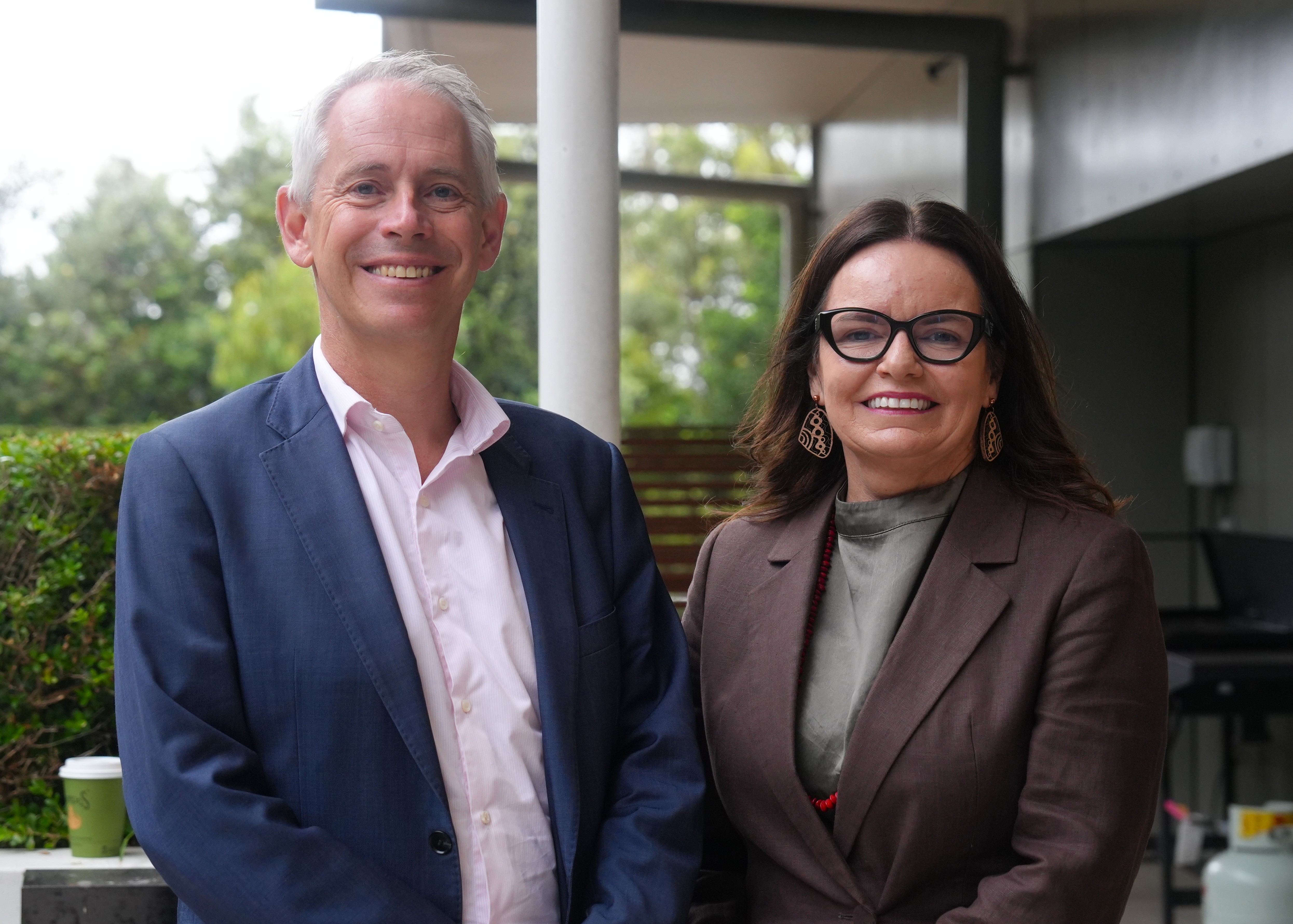
AbSec — the NSW Child, Family and Community Peak Aboriginal Corporation — said its Learning and Development Centre (LDC) arm, one of seven ACCOs involved in designing the Stage 2 Implementation Plan, will partner in delivering the program through to December 2028.
Chief executive John Leha said the over-representation of Indigenous children in out-of-home care (OOHC) "remains one of the most urgent challenges facing our communities," with a "skilled, culturally grounded workforce" critical to addressing the issue.
"Through the AbSec Learning and Development Centre, we are developing training that reflects Aboriginal knowledge, lived experience and the leadership of our communities," he said.
"We are delighted to be part of this landmark agreement, which creates a real opportunity to strengthen the Aboriginal-led workforce and deliver meaningful change for our children, families and communities."
The agreement places a strong emphasis on long-term outcomes, with a focus on Aboriginal community-controlled organisations and First Nations-owned RTOs delivering culturally safe training experiences.
Mr Giles said it is the "first national agreement that embedded Closing the Gap at its core".
"And it does hold our feet to the fire," he said, "because we know we need to do better."
AbSec said the LDC will work to build a sustainable and innovative training model for the child and family community services sector, including accredited short courses designed around cultural safety and Indigenous knowledge systems to address workforce shortages.
The LDC will also deliver holistic support pathways for Aboriginal students — particularly those with lived experience of the care and protection system — while supporting broader capacity building across the sector to improve outcomes for Aboriginal children, young people and families.
Alira Tufui, the LDC's director of sector innovations, said the approach is grounded in community and sector needs.
"Our training is informed by the sector, shaped by community knowledge and guided by the wisdom of Elders and people working across ACCOs," she said.
"Through our connection to the NSW peak body, we are constantly listening to, and capturing, the needs emerging across the sector, ensuring our training reflects the real challenges organisations face and the skills the workforce needs to support Aboriginal and Torres Strait Islander children, families and communities."



