



As Australia prepares for another bushfire season, Living Knowledge Network (formerly Firesticks) is launching a first of its kind initiative to scale Indigenous-led Cultural Burning and Traditional Land Management across culturally and ecologically significant sites across South-east Queensland and the NSW South Coast.
Building Healthy Country Economies, is a collaborative project co-designed with Traditional Owners to demonstrate the ecological, economic, and community benefits of Cultural Burning, while building the practical systems, evidence and support needed to expand these approaches across Australia.
Bushfires are becoming more frequent and severe across Australia, increasing the need for long-term approaches to disaster risk reduction.
Aboriginal and Torres Strait Islander Peoples have used Cultural Burning and Traditional Land Management for thousands of years to care for Country, maintain healthy landscapes and reduce the risk of destructive fires.
However, despite growing recognition of the practices, there are significant barriers that continue to limit its broader implementation.
These barriers include limited long-term investment, difficulty accessing fit-for-purpose insurance, lack of scalable, culturally appropriate business models for Cultural Burning and Traditional Land Management activities.
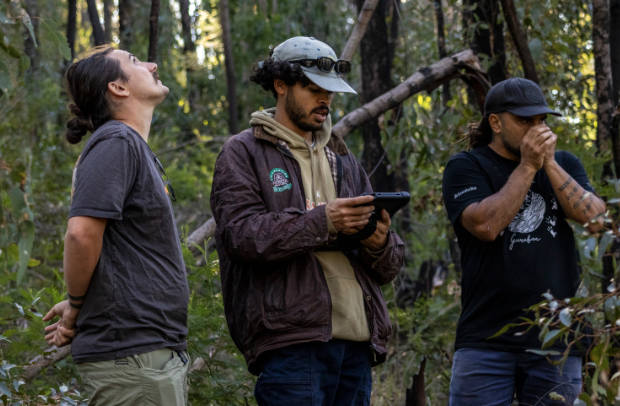
Supported through Round Three of the Australian Governments Disaster Ready Fund, Building Healthy Country Economies will address these challenges by bringing together Traditional Owners, Indigenous Fire Practitioners, economists, risk specialists, and industry experts to strengthen the systems needed to support long-term, community-led land management.
This knowledge with help inform future investment, policy, partnerships and implementation approaches nation-wide.
"Scale for us in this project is about breaking down barriers so that Cultural Fire can thrive everywhere," said Gebro Buli, Living Knowledge Network Community Network lead and Wik Mungkan, Thanakwith and Erub Island woman.
"We hope to prove what we know - that it reduces fire risk and the associated economic benefit of that.
"It is the first of its kind to articulate and promote cultural management to government with hard facts and evidence so it can be a sustainable business model instead of an innovative add-on on the side."
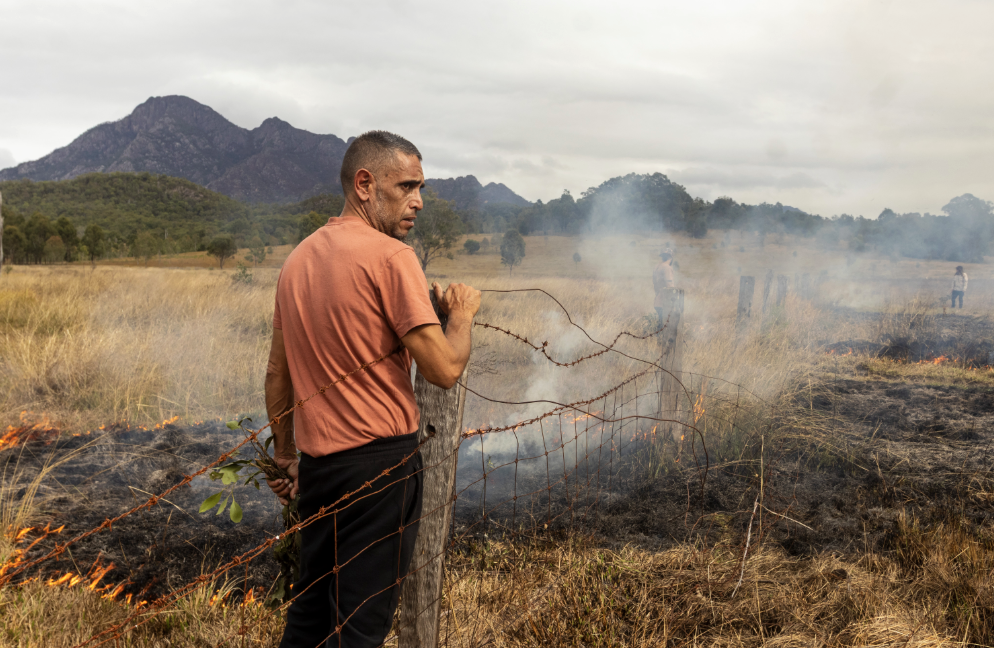
"Cultural Fire brings the community together. It gives us all a sense of giving back to Country," said Koorin Cambell, Djiringanj / Walbunja Yuin and Thunghutti Man, Cultural Fire lead for Gadhu Bagan, Southern Yuin LKN Team.
"It was all so unhealthy after the bad bushfires went through.
"It's scary for all of us to think about how bad it got, and this is our way of preventing that and keeping our community and everywhere safe."
Building Healthy Country Economies is being delivered in partnership with Traditional Owners, Indigenous communities and project partners, ensuring Indigenous-led decision-making and implementation throughout the project.
A key focus of the project is supporting healthy Country economies through community-led approaches that create long-term social, cultural and economic benefits.
This includes exploring pathways that support sustainable employment, strengthen local capability and leadership, create opportunities for intergenerational knowledge sharing, and help communities care for Country over the long term.
Living Knowledge Network is rolling out Cultural Burning across six key sites in Southeast Queensland and the NSW South Coast, each chosen for its cultural significance, ecological value, and high fire risk.
These projects are collaborative partnerships, designed to support and work alongside Traditional Owners who are the rightful custodians of these landscapes and their fire stories.



