


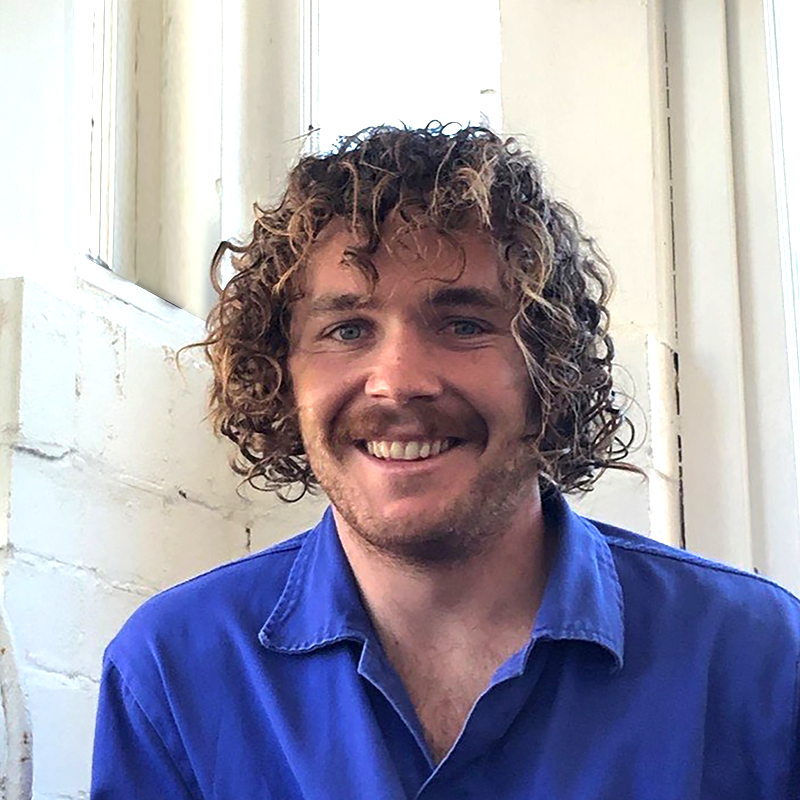

Australia's peak body for Indigenous young people says "we can't do it alone", pointing the finger at government failure to reverse the overrepresentation of First Nations youth in the justice and child protection systems.
On Close the Gap Day, March 20, SNAICC (Secretariat of National Aboriginal and Islander Child Care) chief executive Catherine Liddle called on governments to "keep their word" and uphold commitments.
Latest Closing the Gap data, released last week, outlined 26.1 per 10,000 Indigenous children (age 0-17) were in detention on an average day between 2023-24, figures down from 2019's baseline but an increase on the most recent previous four years.
The number of Indigenous children in out of home care has also increased, from 47.3 to 50.3 for every 1000 children since 2019.
Ms Liddle said the new data should serve as a wake-up call about the real-life impact of government inaction.
Closing the Gap data, dating back to 2021, stated only 34.1 of Indigenous children entering schooling were developmentally on track, a national decrease from 35.2 per cent in 2018 with NSW, Western Australia and the Northern Territory dragging statistics backwards.
"When all governments work with us, they not only empower communities but also drive better outcomes and lasting change," Ms Liddle said, calling for change across all sectors.
"Our children deserve nothing less."
Ms Liddle said the Closing the Gap agreement places the responsibility on all governments to partner their work with communities, or "the experts in own lives".
It comes as independent Indigenous-led, multi-sector alliance campaign Close the Gap released its own report on Wednesday.
The report made 44 of its own recommendations, with calls related to Voice, Truth and Treaty, aged care, Indigenous deaths in custody, Stolen Generations and youth justice within them.
"Where Aboriginal and Torres Strait Islander peoples have driven the implementation of the Priority Reform Areas in our communities, we have seen real progress," Close the Gap co-chair Karl Briscoe said.
"This report demonstrates the power of our leadership when governments listen, trust, and act in good faith."
Mr Briscoe is also chief executive of National Association of Aboriginal and Torres Strait Islander Health Workers and Practitioners (NAATSIHWP) and co-chair of the National Indigenous Health Leadership Alliance (NIHLA).
NIHLA and the National Rural Health Alliance (NRHA) also supported Close the Gap's report.
NRHA chief executive Susi Tegen said the responsibility will fall on whichever government is elected at the polls in the coming months to take action on Closing the Gap and its priority reforms.
Ms Tegan added "long-term funding and policy levers need to be implemented by working with state and territory governments and communities".
"We join the call for all levels of government working with communities to implement the recommendations outlined in this report and empower First Nations communities and organisations to lead the solutions that will shape their futures," she said.
"NRHA has been a strong advocate for the nearly 60 percent of Australia's Aboriginal and Torres Strait Islander peoples who live in rural, regional and remote areas.
"We know that while the proportion of Indigenous Australians within the population increases with remoteness, their health and wellbeing often decrease. As such, we continue to focus on the health and wellbeing of First Nations peoples in these regions."
Estimated life expectancy of Indigenous Australians is shorter than non-Indigenous people nationally, with the gap increasing - 8.8 years for male and 8.1 years for females in 2020-22 from 8.7 and 8.0 in 2015-17.
Nationally, Indigenous males born in 2020–2022 are expected to live to 71.9 years, compared to 80.6 for non-Indigenous males.
Indigenous females born in that period are expected to live and 75.6 years, compared 83.8 years for non-Indigenous females.
SNAICC chief executive Catherine Liddle added Indigenous children feel the cost of a lack of action.
"By failing to work with us, governments are contributing to a cycle of child removal, criminalisation and systemic disadvantage for our children," Ms Liddle said.
"We don't need a different approach to Closing the Gap. We need all governments to keep their word and look at the evidence for what works to change our life outcomes.
"We can close the gap, but we can't do it alone. It's time Australian governments uphold their commitments and work with us."



