



Aboriginal and Torres Strait Islander students have called for greater cultural education in schools and stronger action against racism following the inaugural Aboriginal Student Voice Symposium in New South Wales.
The two-day event brought together 39 First Nations students from government, Catholic and independent schools, along with TAFE NSW, to discuss their educational experiences and identify areas requiring improvement.
Organised by the NSW Department of Education, the symposium formed part of the state's Closing the Gap commitments and provided an opportunity for senior education leaders to hear directly from young people.
Among the key recommendations was an increased focus on Aboriginal languages and history within the school curriculum.
Students also emphasised the importance of having Aboriginal educators involved in delivering cultural education and providing appropriate support throughout their schooling.
Another concern raised during discussions was the ongoing impact of racism on Aboriginal and Torres Strait Islander students.
Participants called for stronger policies and practical measures to address racism, alongside greater education about the harmful effects of discriminatory language and behaviour.
Students suggested education about racism should begin in primary school, helping to establish safer and more inclusive learning environments from an early age.
The importance of cultural identity, belonging and having access to appropriate support services was also highlighted throughout the symposium.
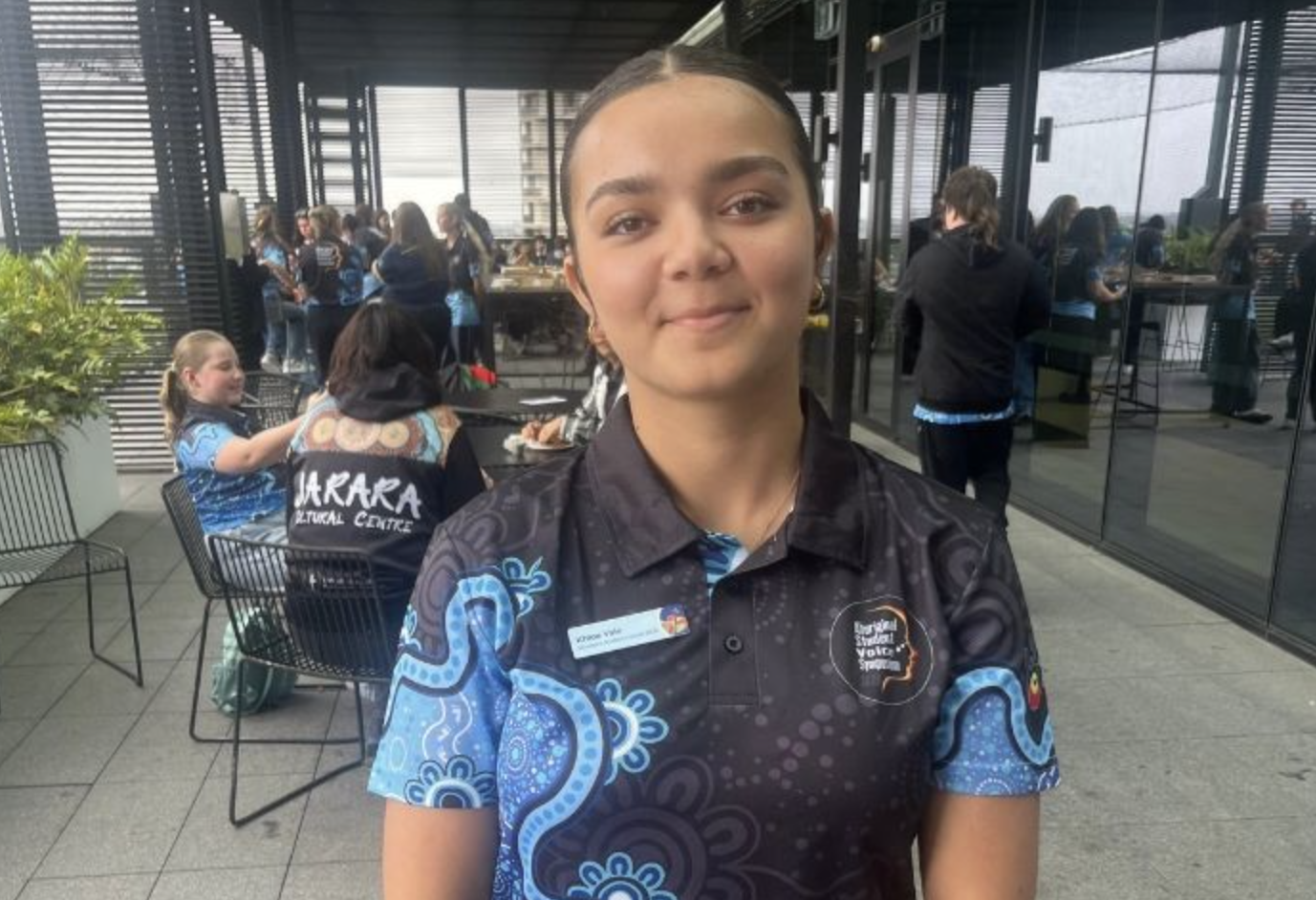
Students shared examples of initiatives which have positively influenced their education, including mentoring programs, Aboriginal Education Officers and school-based academies designed to improve engagement and attendance.
NSW Department of Education Secretary, Murat Dizdar, said the event had demonstrated the importance of consulting directly with Aboriginal students when developing education policies.
"We can just read the research and the evidence base, or we can hear directly from Aboriginal students," Dizdar said.
"If we're going to truly close the gap and accelerate outcomes for Aboriginal students in NSW, that's exactly what we need to do."
Mr Dizdar described the opportunity to hear from students as powerful and committed to bringing their recommendations to the department's executive leadership.
"I'm taking what I've learnt here straight to our next executive meeting and I intend to go back to these students and tell them what we're going to chase for them," he said.
NSW Aboriginal Education Consultative Group President, Raymond Ingrey, also welcomed the discussions and the commitment to considering the recommendations.
Mr Ingrey acknowledged while there was a desire to implement changes quickly, some proposals would require further planning to ensure they were delivered effectively.
He expressed hope that action could be taken on some of the recommendations by next year.
The symposium marked the first time the NSW Department of Education had brought together Aboriginal and Torres Strait Islander students from across the different education sectors for an event of this kind.
The recommendations are expected to inform further discussions about improving educational outcomes and strengthening cultural safety for First Nations students across NSW.



