




Youth offenders in Queensland could now be sent to remote facilities for rehabilitation as a diversion measure, with fears for the rights, safety and wellbeing of First Nations children in particular.
The Queensland Government passed the Youth Justice (Circuit Breaker) Amendment Bill 2026 on Thursday.
A pre-election commitment from the Liberal National Party raised the idea, with the legislation now set to establish prison alternatives as a "last stop before detention" and give repeat youth offenders "one final chance to turn their lives around".
Circuit Breaker programs, designed to include "structured activities and strict routines" alongside opportunities to gain practical skills and knowledge, education, training, mentoring, activities and programs will be established for up to 60 young people at two rural or remote locations in the state run by funded non-government service providers.
The idea is it "removes youth, who have been charged with, or have committed offences, from the community" as outlined by the legislation, to improve community safety and reduce youth crime.
It can be imposed as a bail condition or as a sentence for a conviction, where youth can spend up to six months at the facility.
Young people there will also be required to wear a monitoring device.
Labor and the Greens voted against the Bill.
National Commissioner for Aboriginal Children and Young People, Sue-Anne Hunter, said the bill passing marked "a devastating day for our people, particularly our children in Queensland".
"What we are witnessing is a deeply concerning erosion of children's rights," Commissioner Hunter said.
First Nations children, who are between 20 and 30 times as likely to be incarcerated than non-Indigenous youth in Queensland, will "face the consequences at a disproportionate rate", Commissioner Hunter said of the Circuit Breaker legislation, and "Queensland should be working to change that (over-repesentation in the youth justice system), not passing laws that will make it much worse".
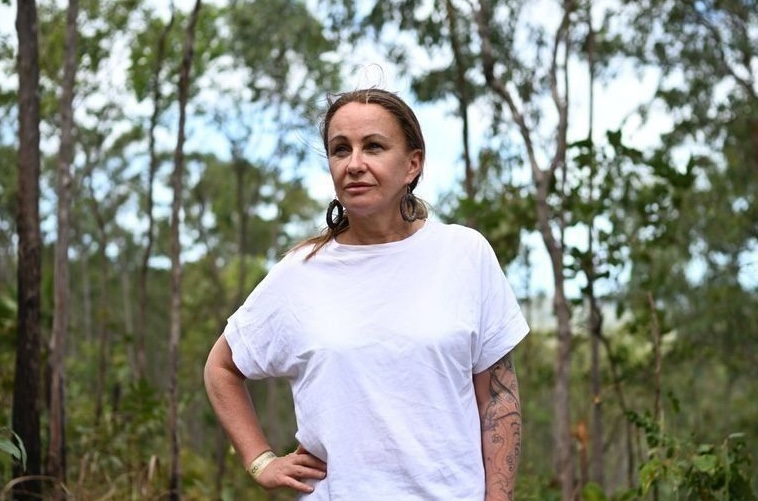
In an open letter to members of Queensland's Legislative Assembly last month, Commissioner Hunter raised particular concerns with aspects of the bill.
In a section of the bill outlining a Circuit Breaker employee, contractor or provider's obligation to report any harm or suspected harm suffered by a child in the program includes exceptions "It is a reasonable excuse for the reporting entity not to report a matter that reporting the matter might tend to incriminate the reporting entity".
Another section outlining a child or their parents' options to make complaints notes a "chief executive need not deal with a complaint that the chief executive reasonably believes to be trivial or made only to cause annoyance".
In her open letter, Commissioner Hunter asked "at a minimum, for the removal of the exception not to report harm to children, and to "give children a statutory right to escalate complaints to an independent body".
"The reality is that Aboriginal and Torres Strait Islander children will bear the weight of this program. Connection to family, community, culture and Country is not an addition to rehabilitation. It is what rehabilitation depends on, and it is recognised as a protective factor against further system involvement," Commissioner Hunter wrote.
"This Bill contains no requirement that those connections be maintained."
A post shared by Commission for First Peoples' Children (@ncatsicyp)
At the time of the letter Aboriginal and Torres Strait Islander Social Justice Commissioner at the Australian Human Rights Commission Katie Kiss wrote that she stood with Commissioner Hunter on her concerns.
"Children and Young People sent to these facilities will be out of sight out of mind. Accountability of authorities to ensure the needs and safety of children held is not included or guaranteed and there is no remedy for breach of their human rights under a number of international laws and standards that Australia has ratified," Commissioner Kiss wrote.
Concerns over the bill have been raised from further afair, including those from experts.
Within its submission to a parliamentary inquiry into the bill, Legal Aid Queensland, among many concerns, wrote the circuit breaker condition or order goes against Youth Justice Principles that "a child who commits an offence should be dealt with in a way that strengthens the child's family".
In a government statement on Thursday, the program was called "a key pillar in the Crisafulli Government's plan to make Queensland safer".
It's expected the program will commence later this year, with Youth Justice Minister Laura Gerber saying Queensland was leading the nation in rehabilitation.
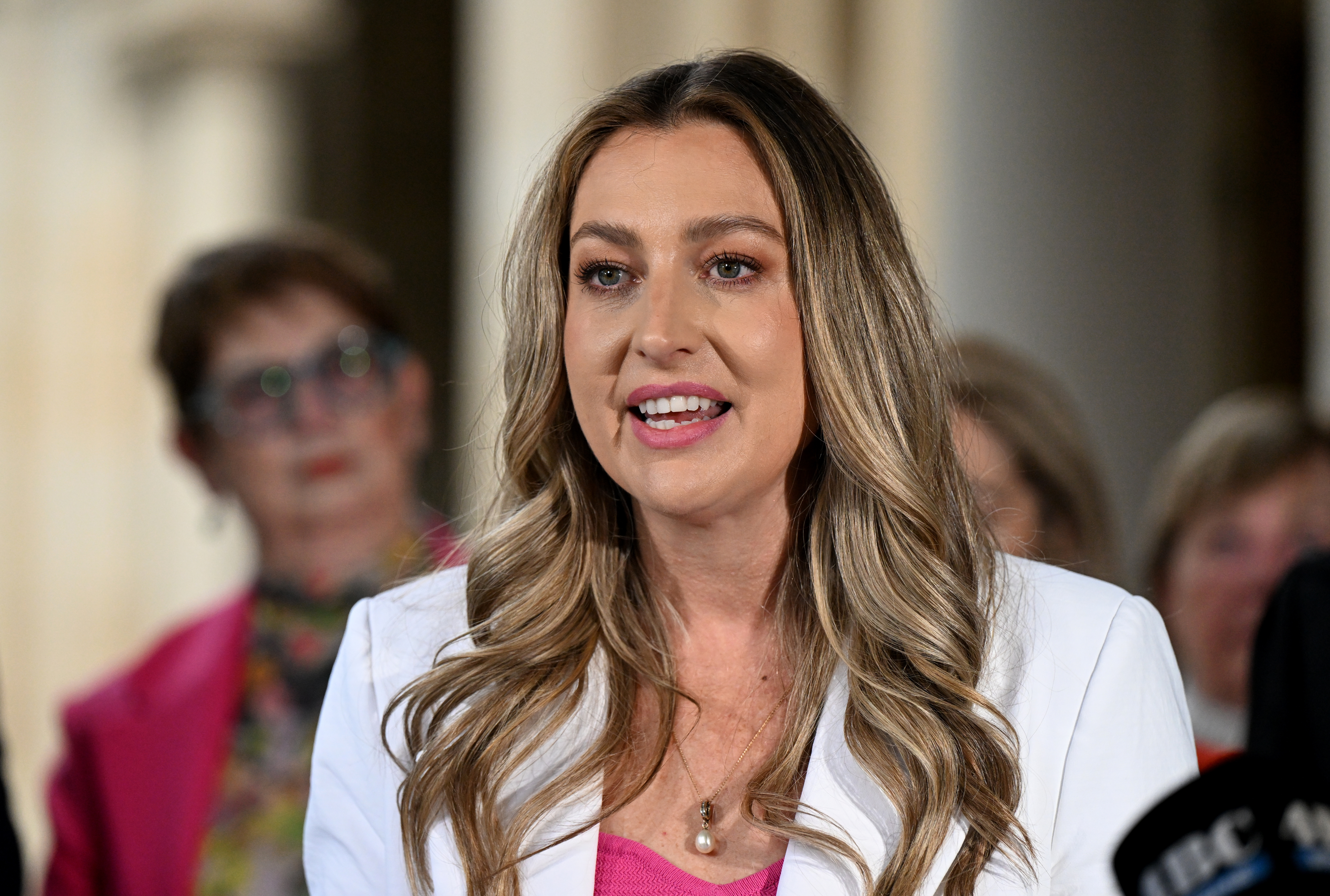
"The Crisafulli Government's Circuit Breaker Sentencing will be the last stop before detention, offering youth offenders one final chance to turn their lives around while gaining the practical life skills they need to get back on track," Minister Gerber said.
"It will give courts a powerful new tool to deal with repeat youth offenders by removing them from the community they have caused harm to and ordering them to Circuit Breaker Sentencing, an intensive rehabilitation program.
"Today, we saw the former Labor Government vote against Circuit Breaker Sentencing, because we know they don't support strong laws or rehabilitation programs that reduce crime and victim numbers.
"The Crisafulli Government will always deliver strong laws and programs that make Queensland safer and drive down crime and that's exactly what Circuit Breaker Sentencing will do."
Commissioner Hunter wrote children, as a bare minimum, must have effective access to justice.
"They must be able to understand their rights, access independent advice and advocacy, raise concerns and make complaints safely, and have access to independent oversight and effective remedies when their rights are breached," she wrote.
"For Aboriginal and Torres Strait Islander children, these mechanisms must also be culturally safe, accessible and responsive to their circumstances.
Commissioner Hunter continued that "a child's rights and protecting communities are not competing objectives" and urged the Queensland government to reconsider implementing the legislation.



