



Dhelkuk Dangatuk Baring (Healthy New Journey) is a new initiative aimed at providing continuous maternity care, from pregnancy through to early parenthood, embedded with culture and aimed at forming trusted relationships.
The initiative, developed with First Nations communities and health partners, and Aboriginal Community Controlled Health Organisations, will be delivered in Victoria's Loddon Malle region.
It's a Midwifery Continuity Model of Care program, pairing expectant mums with an ongoing midwife throughout their pregnancy, labour, childbirth and into the postnatal period.
The intention is to support families through the journey, with culturally-safe care, and to produce better outcomes.
"Dhelkuk Danagtuk Baring is far more than creating a new service; it is a result of deep listening, courage, collaboration and commitment from our people, for our people," Bendigo Health First Nations maternity caseload project coordinator Tammy Nancarrow said.
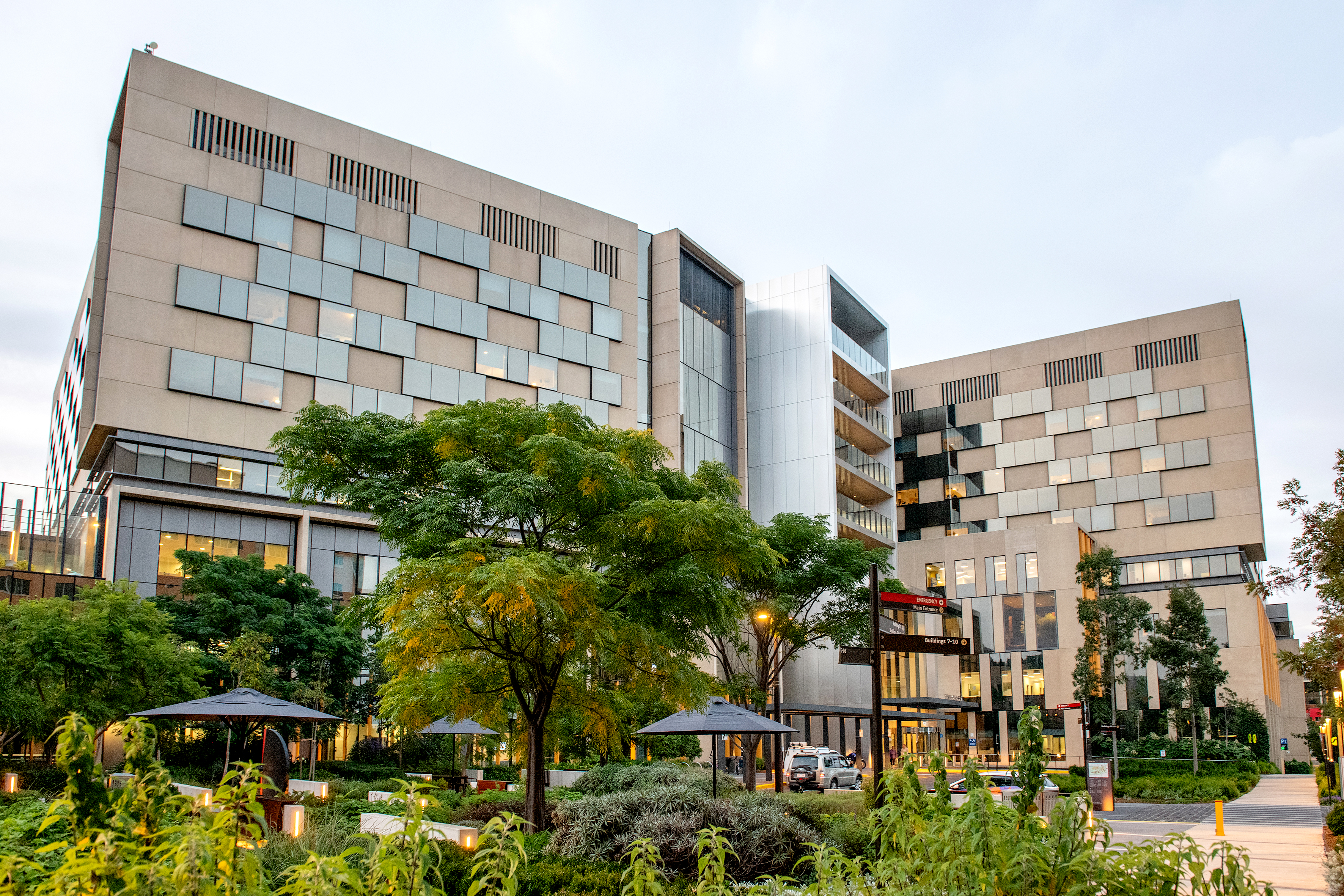
Bendigo Health is the regional health service delivering the initiative, developed with La Trobe University in addition to ACCHOs and community.
The service's catchment area covers around a quarter of Victoria, extending from Melbourne's north-west fringes and into the Murray and Malle regions on the NSW and South Australian borders.
"This model is the first step for our community, a commitment where the health service walks side by side with Aboriginal and Torres Strait Islander people, creating a maternity service where women and families feel safe, heard and empowered whilst navigating westernised systems and working alongside our partnering ACCHOs," Ms Nancarrow added.
Bendigo Health outlines the initiative was designed "to address barriers to maternity care and improve access to services' in a relationship-based model reflecting 'cultural values, needs and experiences".
It combines "lived experience, clinical expertise, education and research to deliver maternity care".
Earlier this year, research on the effects of culturally tailored maternity care delivered across three Melbourne hospitals found its delivery had a significant positive impact for First Nations families and babies.
The study identified the Baggarrook Yurrongi model helped a 45 per cent increase in babies born healthy, that babies were 36 per cent less likely to be born early, 33 per cent less likely to be born with low birthweight, and 30 per cent less likely to require neonatal intensive care.
It also found women engaged in the program were 86 per cent more likely to commence breastfeeding.
Dhelkuk Dangatuk Baring was built off the Baggarrook Yurrongi model, which was also developed with La Trobe University.
At Tuesday's launch, particular mention was made to acknowledge "instrumental" support and guidance of La Trobe School of Nursing and Midwifery professors Helen McLachlan and Della Forster.
Dhelkuk Dangatuk Baring is the first example of a model of it's kind in regional Victoria.
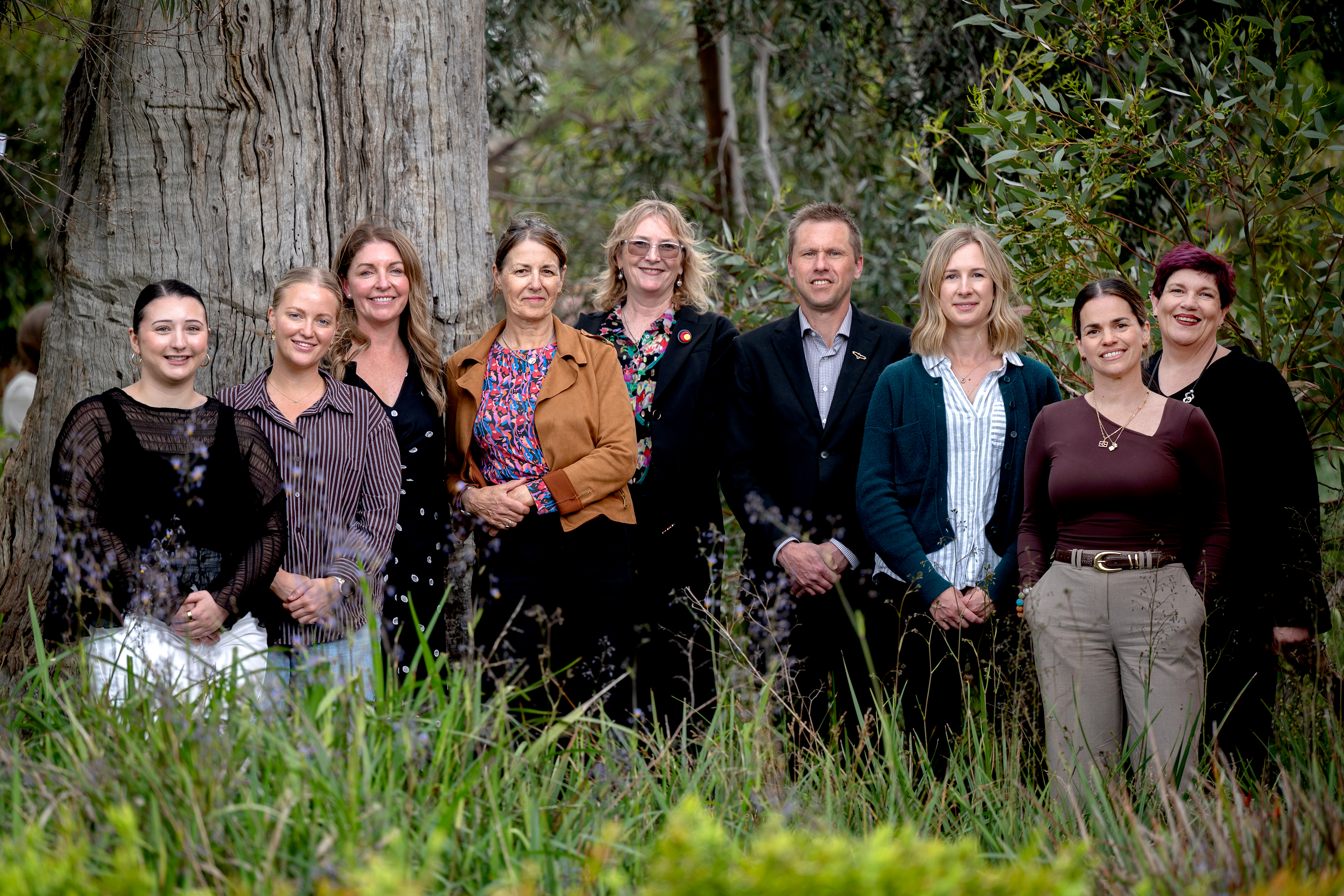
Yas Diaz-Martinez and Jasmin Sloan are midwives recruited to help deliver Dhelkuk Dangatuk Baring in regional Victoria.
They're not First Nations women, but have career experience working closely with First Nations families on the maternity journey.
"My experience showed me how important advocacy, trust and continuity of care can be, and I'm excited to be part of an initiative that helps ensure women receive the care they deserve," Ms Diaz-Martinez said.
Inductions for the role were undertaken in the lead-up to the launch of the initiative.
Moving ahead, the idea is to prioritise bringing First Nations midwives into the role.
Nationally, 1.5 per cent of around half a million working nurses, including those also registered as midwives, identify as Aboriginal or Torres Strait Islander, per the Nursing and Midwifery Board of Australia.
"It was clear to see where First Nations women and their families could fall through the gaps," Ms Sloan said, having previously worked at Cairns Hospital, where First Nations women make up around 40 per cent of maternity patients.
"This model is an opportunity to provide culturally safe care, improve outcomes and ensure women feel supported throughout their maternity journey."
Towns like Mildura, Swan Hill and Echuca in the state's north-west all sit within Bendigo Health's footprint.
The catchment extends as far south as a Macedon Ranges.
"We've listened to what culturally safe maternity care should look and feel like and built those learnings into the service," Bendigo Health director of nursing and midwifery, women's and children's services, Shelley Hardingham said.
"When women feel heard, respected and culturally safe, it creates the foundation for holistic care."



