




Tuvalu has been raising land to protect its communities from rising seas, as new research warns sea levels will continue climbing even if global temperatures eventually fall.
The future of Pacific communities was a focus of this week's pre-COP31 climate conference hosted by Fiji and Tuvalu, where Indigenous representatives called for emissions cuts and funding to help people remain on ancestral lands.
Tuvalu Prime Minister Feleti Teo has consistently urged for greater commitments to grants, arguing that vulnerable nations should not have to borrow money to respond to a crisis they did little to cause.
"Why should countries like Tuvalu take on more debt to protect ourselves from a climate crisis we did so little to cause?" Mr Teo said.
"Climate finance must not push vulnerable countries deeper into debt simply to survive."
"But we refuse to accept the narrative of inevitable loss," Ms Baldwin-Roberts said.
"Indigenous people have an absolute, inherent right to remain on our ancestral lands.
"The Pacific cannot be a sacrifice zone."
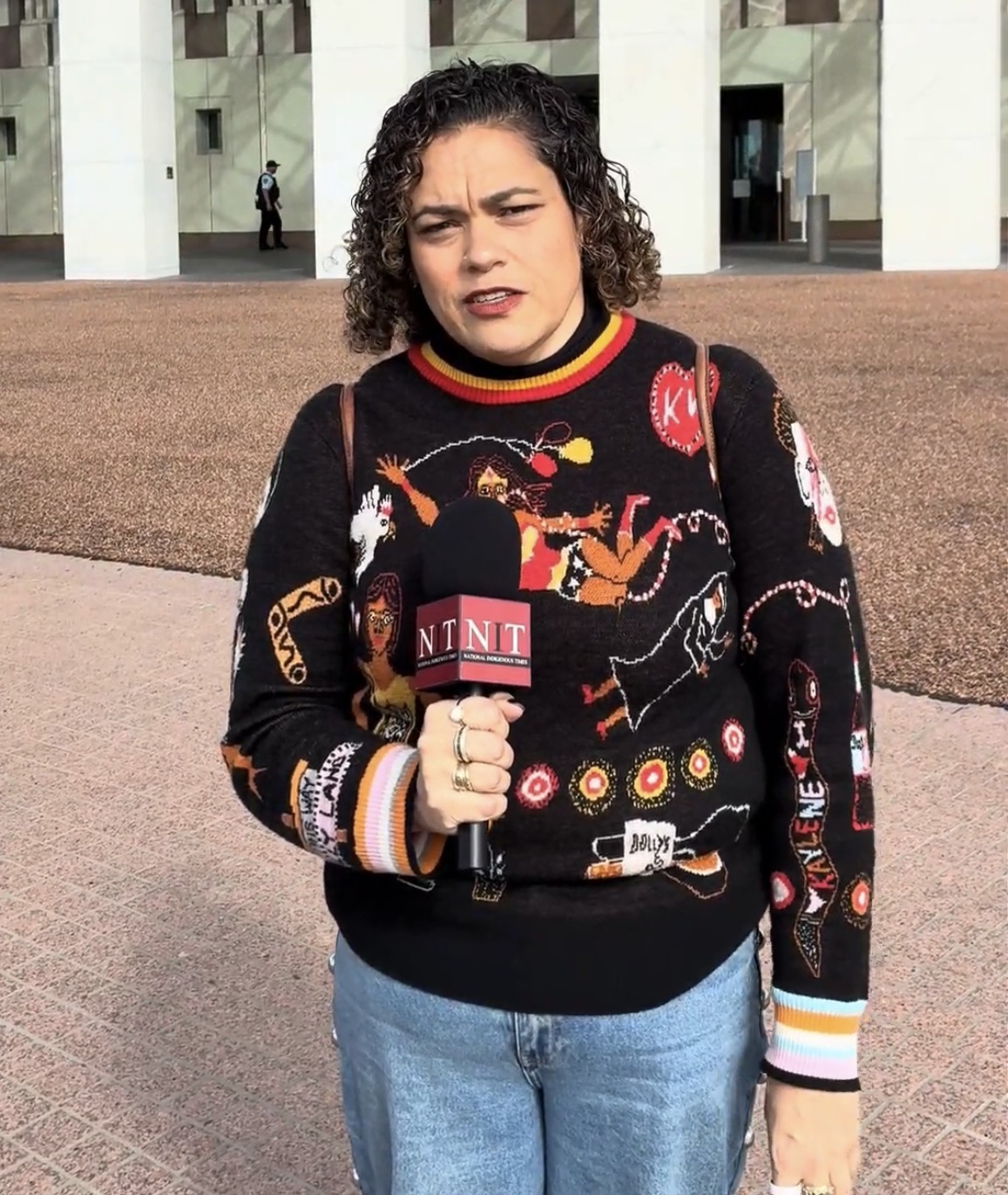
Speaking on behalf of the International Indigenous Peoples' Forum on Climate Change, Ms Baldwin-Roberts called for an end to fossil fuel expansion and investment in adaptation.
NASA's Sea Level Change Team outlined findings from its new Sea Level Rise Under Overshoot report on October 6, warning that oceans and ice sheets respond to warming over centuries.
Another 10-15 centimetres of global sea-level rise is expected by 2050 regardless of the emissions pathway, while warming beyond that point will influence how much further seas rise.
Earlier NASA modelling for Funafuti, Tuvalu's capital, projects more than 100 flood days annually by the end of the century across its future scenarios, assuming no additional protections.
Tuvaluan climate advocate Grace Malie links the response to whether communities can remain in their homeland.
"This is why climate action for Tuvalu is about whether our people can continue to live and belong on our islands," Ms Malie said in an Oxfam Australia statement released on October 8.
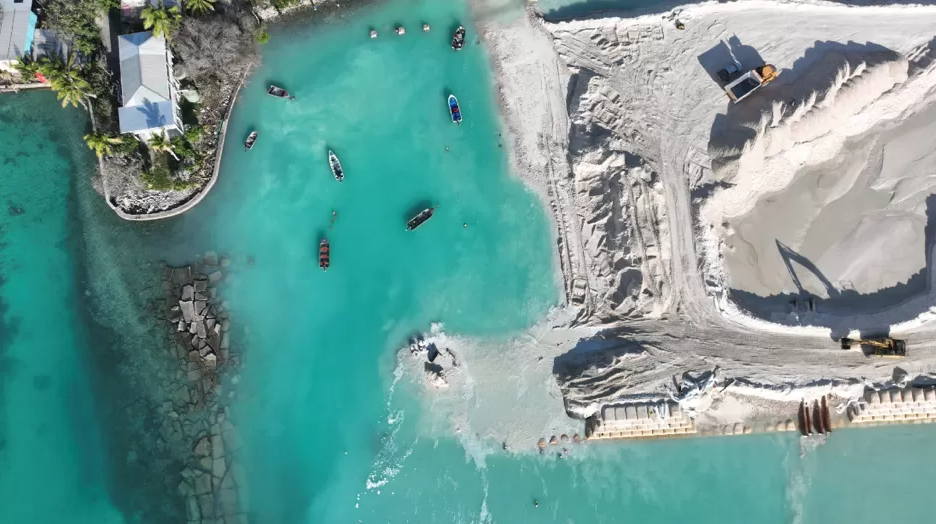
Tuvalu's coastal adaptation project has created 15.3 hectares of elevated land on Funafuti, including eight hectares completed in 2025 and designed to remain above projected sea levels beyond 2100.
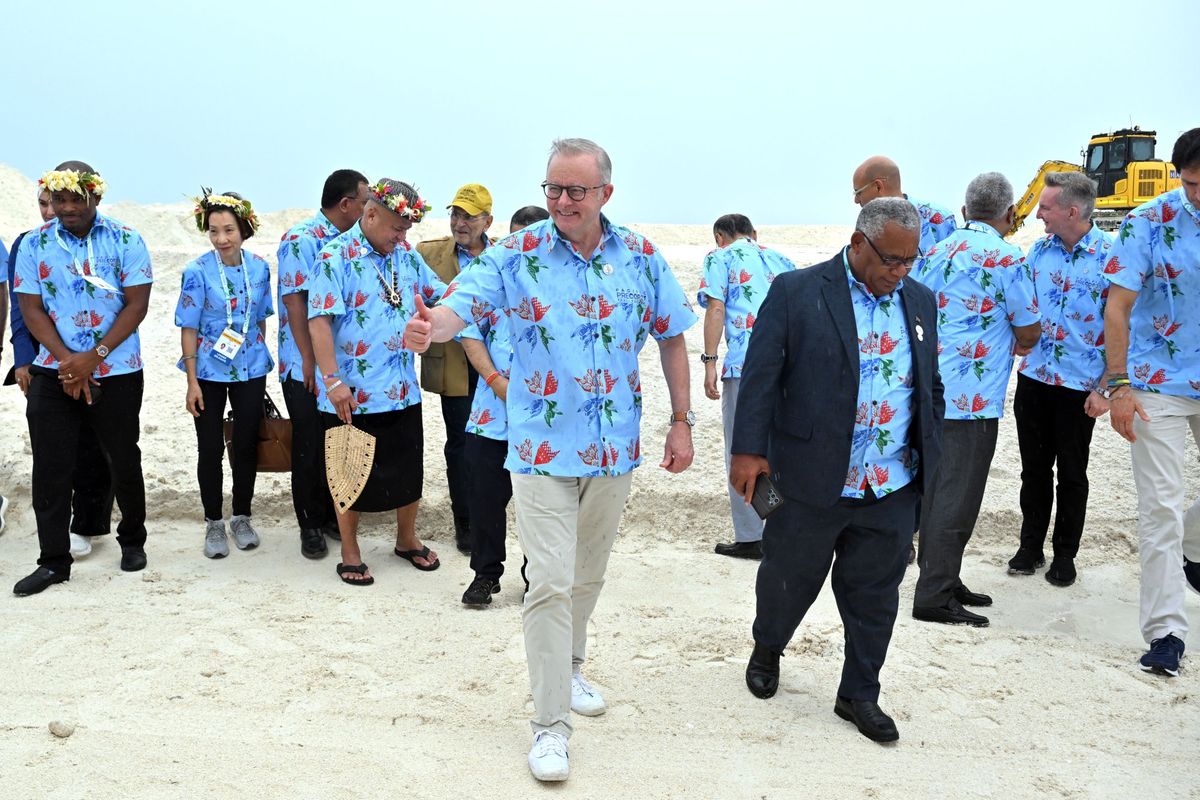
Representatives from 30 nations visited Tuvalu on Tuesday, including a site being developed under the project, which aims to create more than 20 hectares of land safe for habitation by the end of 2026.
Project manager Alan Resture outlined how the work would support communities' future.
"What we are doing here has shown to the world that adaptation is not a dream," Mr Resture told AAP.
"Our leaders are working tirelessly to make sure the people of Tuvalu remain safe from all the ... adverse impacts of climate change and sea-level rise."
University of Sydney researchers undertaking consultations in Funafuti this year documented community accounts of flooded roads and homes, heat limiting children's outdoor activities and changes to fishing grounds.
Across generations, participants expressed a strong desire to remain in Tuvalu.
In the Torres Strait, research published in Progress in Oceanography this year identified increasing temperatures, marine heatwaves and sea surface height.
Ocean warming and habitat fluctuations are already affecting some fisheries, while culturally important dugongs and green turtles also face climate pressures.
Torres Strait Regional Authority chairperson George Nona highlighted the consequences for communities when launching the region's adaptation and resilience plan in March 2025.
"Torres Strait Islanders are very aware of the impacts of climate change and sea level rise on our homes, culture and way of life," Mr Nona said.
The plan addresses risks to health, infrastructure, food and water security, ecosystems and cultural identity.
For Tuvalu, a 2026 review identifies elevated artificial land as a pathway for communities to stay, while warning that funding needs, customary land tenure and damage to coral reefs from dredging require attention alongside engineering.



