




A powerful new Aboriginal and Torres Strait Islander-led research program is launching in partnership with community to better understand eating disorders, disordered eating and their impacts.
The Food, Eating and Wellbeing (FEW) Project will address critical gaps in research while amplifying community-led solutions and raising awareness of the mental, physical and social and emotional wellbeing impacts of eating disorders and disordered eating.
Led by The Australian Eating Disorders Research and Translation Centre (AEDRTC), at the University of Sydney, the FEW Project is supported by a significant investment from the Commonwealth Department of Health, Disability and Ageing and represents the first nationally funded competitive research initiative of its kind focused on eating disorders and disordered eating in Aboriginal and Torres Strait Islander communities.
"This funding announcement represents a groundbreaking moment for Australia's eating disorders sector and the culmination of years of fierce community advocacy," said Leilani Darwin, a Quandamooka Woman and the AEDRTC Aboriginal and Torres Strait Islander Stream Lead.
"For too long, Aboriginal and Torres Strait Islander people have been left out of the narrative.
"Through the FEW Project, we are addressing this massive evidence-gap and ensuring First Nations food, eating and wellbeing are investigated on our own terms."
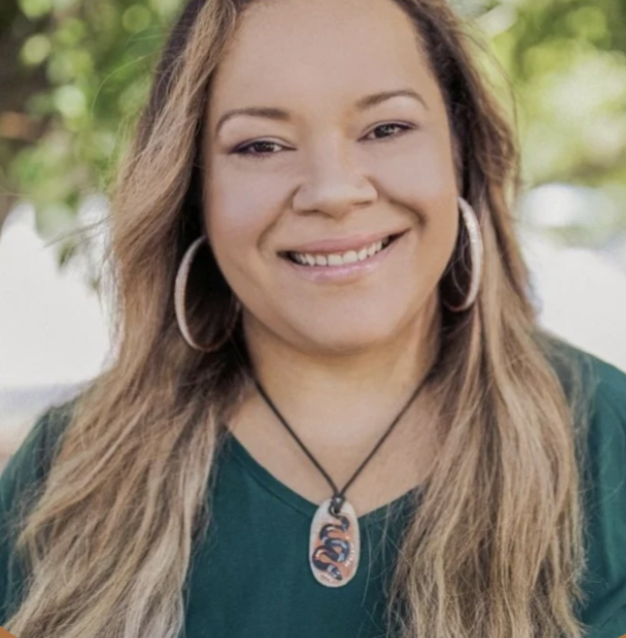
Guided by Aboriginal and Torres Strait Islander leaders, comprising the Project Advisory Governance Group (PAGG), the program will be grounded in cultural authority, strengths-based approaches, and community leadership from the outset.
"Eating disorders can have devastating impacts on individuals, families and communities," said Federal Assistant Minister for Mental Health and Suicide, Emma McBride.
"Last year, I announced funding for the Food, Eating and Wellbeing (FEW) Project, and today marks an important milestone as this Aboriginal and Torres Strait Islander-led initiative begins delivering much-needed research and community-led solutions across Australia.
"The Albanese Labor Government is proud to help deliver this initiative and others which improve health outcomes for First Nations peoples and make sure communities have a strong voice in shaping the services and supports they need."
Marni Tuala, proud Bundjalung woman and chief executive officer of First Nations Co. says that despite growing evidence suggesting eating disorders may be more prevalent among Aboriginal and Torres Strait Islander peoples, there remains significant gaps in research, understanding and culturally safe responses.
"This investment marks a critical step toward ensuring our communities are no longer overlooked in national conversations about eating disorders and wellbeing," she said.
"The FEW Project creates an opportunity to build evidence grounded in Aboriginal and Torres Strait Islander knowledge, informed by lived experience and Community priorities.
"By bringing together researchers, clinicians and communities, this work will help shape culturally safe systems of care and strengthen prevention, early intervention and support.
"At First Nations Co., we are proud to support initiatives that centre self-determination, cultural governance and community leadership. This project demonstrates what is possible when Aboriginal and Torres Strait Islander voices lead research that directly impacts our people and communities."
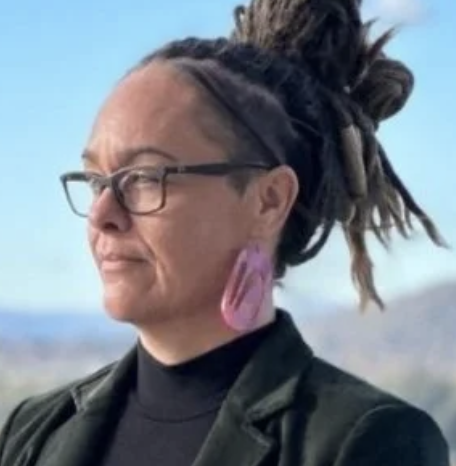
Ms Darwin said we are at a critical stage in understanding how eating disorders are experienced by Aboriginal and Torres Strait Islander people.
"This milestone reflects the expertise, lived experience and commitment of our National Advisory Board and workstream, and we look forward to continuing the collective efforts of this important work," she said.
In the general community, eating disorders are serious mental illnesses with high morbidity and mortality rates, and the highest suicide rates among mental health conditions. Yet only 17-31 per cent of people access treatment, with even fewer receiving evidence-based care.
Professor Tom Calma AO, co-chair of the PAGG, believes that among Aboriginal and Torres Strait Islander peoples, this is likely to be compounded by significantly higher rates of food insecurity, eating disorders and disordered eating that differs from the general population, and limited culturally safe research and services.
"This study will explore community and health service staff knowledge of eating disorders, comorbidities, and prevention and treatment strategies practiced," Professor Calma said.
"Our approach to interacting with diverse geographic and demographic location is to ensure and respect that not all Aboriginal and Torres Strait Islander peoples are the same and that location will realise differential impacts."
Running from February 2026 to December 2027, the FEW Project is an Aboriginal and Torres Strait Islander-owned and led initiative commissioned by AEDRTC, to be delivered by First Nations Co., in partnership with communities and the Project Advisory and Governance Group.
The project will be delivered in two phases. The first will involve engaging with four communities across the country, from very remote to urban settings, to understand how food and eating issues are experienced and prioritised.
The second phase will translate these insights into culturally appropriate definitions, frameworks, and practical resources to inform research, policy, and care.
Key outputs will include culturally grounded frameworks, language guides, and policy-relevant resources to support improved service delivery and decision making.
Professor Sarah Maguire, AEDRTC director, said improving outcomes in eating disorders is a shared responsibility across the research sector.
"We are committed to ensuring research is inclusive, co-produced, and capable of delivering meaningful change. Building a culturally informed evidence base is essential to closing the gap," she said.
The FEW Project marks a major step toward more inclusive, culturally safe approaches to eating disorder research, prevention and care.
Anyone needing support with eating disorders or body image issues is encouraged to contact, Butterfly National Helpline on 1800 33 4673 (1800 ED HOPE) or [email protected] and for urgent support call Lifeline 13 11 14.



