




Any response to the report on missing and murdered First Nations women and children must be Indigenous led, according to the Human Rights Commission.
It comes human rights groups have criticised the lack of recommendations in the landmark report, arguing it refuses to deal with the enormity of the crisis.
The Senate inquiry into missing and murdered Indigenous women and children released their final report on Thursday to a near empty Senate chamber, after two years of hearings across five states and territories.
On Friday, Aboriginal and Torres Strait Islander Social Justice Commissioner Katie Kiss said any response to the report must first acknowledge the "heartbreaking loss to our communities of all First Nations women and girls who have been murdered or gone missing, as well as the hurt and pain felt by their families".
She said that whilst it was a complex issue which required a multi-faceted response - identified by the large report - they must be led by Indigenous communities.
"We know what will work to protect our women and help our communities thrive, and governments and service providers need to give our communities the respect and resources we need to make this happen," Commissioner Kiss said.
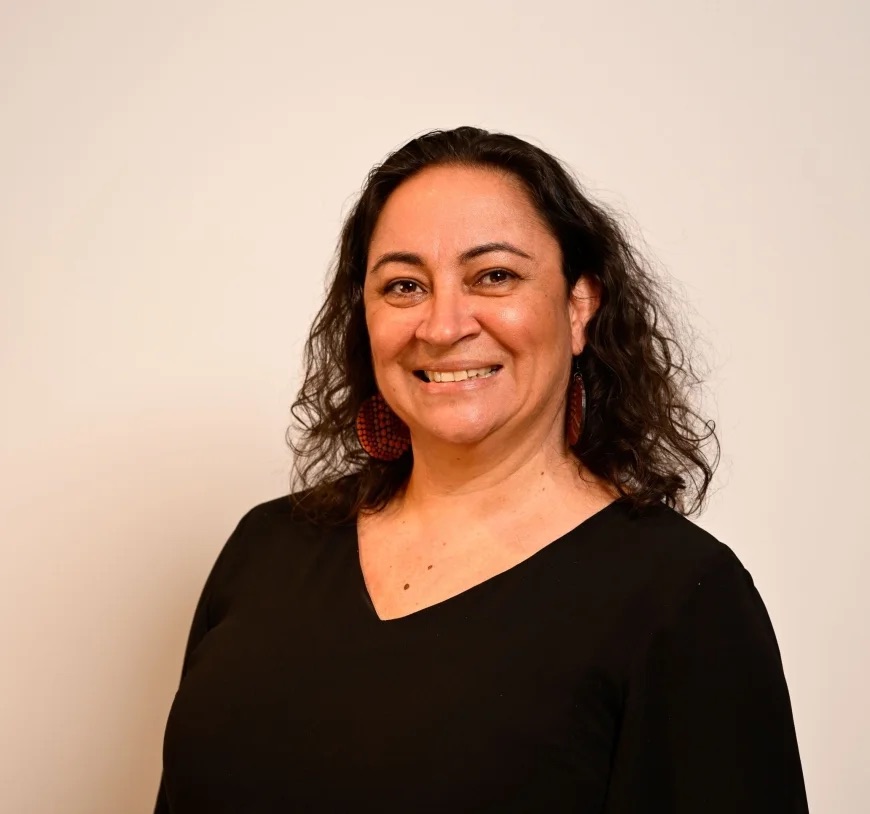
The Human Rights Commission's Wiyi Yani U Thangani (Women's Voices) Project was referenced throughout the report.
"This report will play a vital role in seeking justice for these women and their families as well as improving how we protect the safety and rights of our First Nations women and girls," Commissioner Kiss said.
"Violence against First Nations women and children is a major problem, and we need to be clear-eyed not only about the nature and extent of this violence, but also about the root causes of this violence, and that's prejudice, gender inequality and discrimination against women, lack of opportunity, personal trauma, intergenerational trauma, and systemic racism.
"Systemic failures not only drive the violence but also affect the provision and quality of care and support for women experiencing violence, and this includes failures by police, healthcare workers and other service providers."
The report called for greater police accountability after numerous witnesses described their experiences of racist, failed policing, and the media often believing police accounts over First Nations women.
It recommended the attorney-general task the Police Ministers Council with reviewing existing police practices.
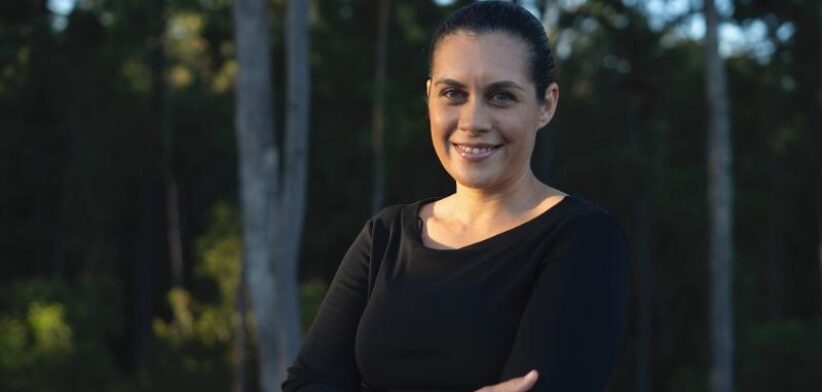
The National Network of Incarcerated and Formerly Incarcerated Women and Girls, who have campaigned about over-policing of Indigenous communities, said they were profoundly disappointed but not surprised with the report's recommendations.
Journalist and Darumbal and South Sea Islander woman, Dr Amy McQuire, whose submissions to the inquiry alongside Sisters Inside and the Institute for Collaborative Race Research, were widely referenced throughout the report.
As was a dissenting opinion by Senator Lidia Thorpe, who said the report was "extremely disappointing" and didn't address the "urgency or extremity" of the crisis surrounding disappeared Aboriginal and Torres Strait Islander women and girls.
"The report released ten recommendations - only ten recommendations - which, when not calling for a carceral response, are vague and fail to address the root causes of racial and gendered violence," Dr McQuire said.
"This is in comparison to the landmark Canadian inquiry into Missing and Murdered Indigenous Women and Girls which released over 200 calls for justice, and deliberately situated the targeting of Aboriginal women for violence as a continuing genocide."
Debbie Kilroy said justice for Indigenous women required more than just tweaking the system.
"It demands a complete rethinking of how we approach this issue," she said.
"The time for half-measures has passed. We need real, transformative change, and we need it now."
Dr McQuire said the inquiry's "refusal to deal with the enormity of this ongoing crisis, and its refusal to deliver adequate recommendations" sent a clear message that "this country does not care about black women."



