


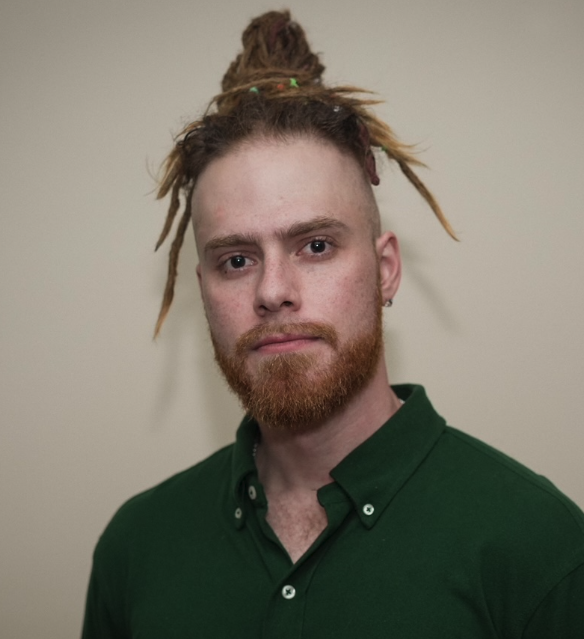

Anaiwan and Mauritian man Diesel Casey-Buttié is using objects from the Powerhouse collection to explore Caring for Country and how First Nations people preserve stories, culture and knowledge.
The Powerhouse volunteer is presenting free Collection Conversations talks across Sydney during July, featuring First Nations fashion, art and cultural objects.
Mr Casey-Buttié completed a First Nations Collection internship with Powerhouse in 2025 while studying architecture at the University of Technology Sydney.
He views Caring for Country through an architectural lens, with culture, stories and creative practice requiring ongoing care.
Mr Casey-Buttié described it as a responsibility shared across generations.
"Everything that Blackfellas work with - what we say, what we do, what we make, our stories - is all a form of architecture to me," he told National Indigenous Times.
"That is something that requires maintenance, something that always needs to be checked up on, called upon, spoken about and communicated with.
"Caring for Country to me is sort of a lifetime story."
The talks bring together fashion, artworks and cultural objects.
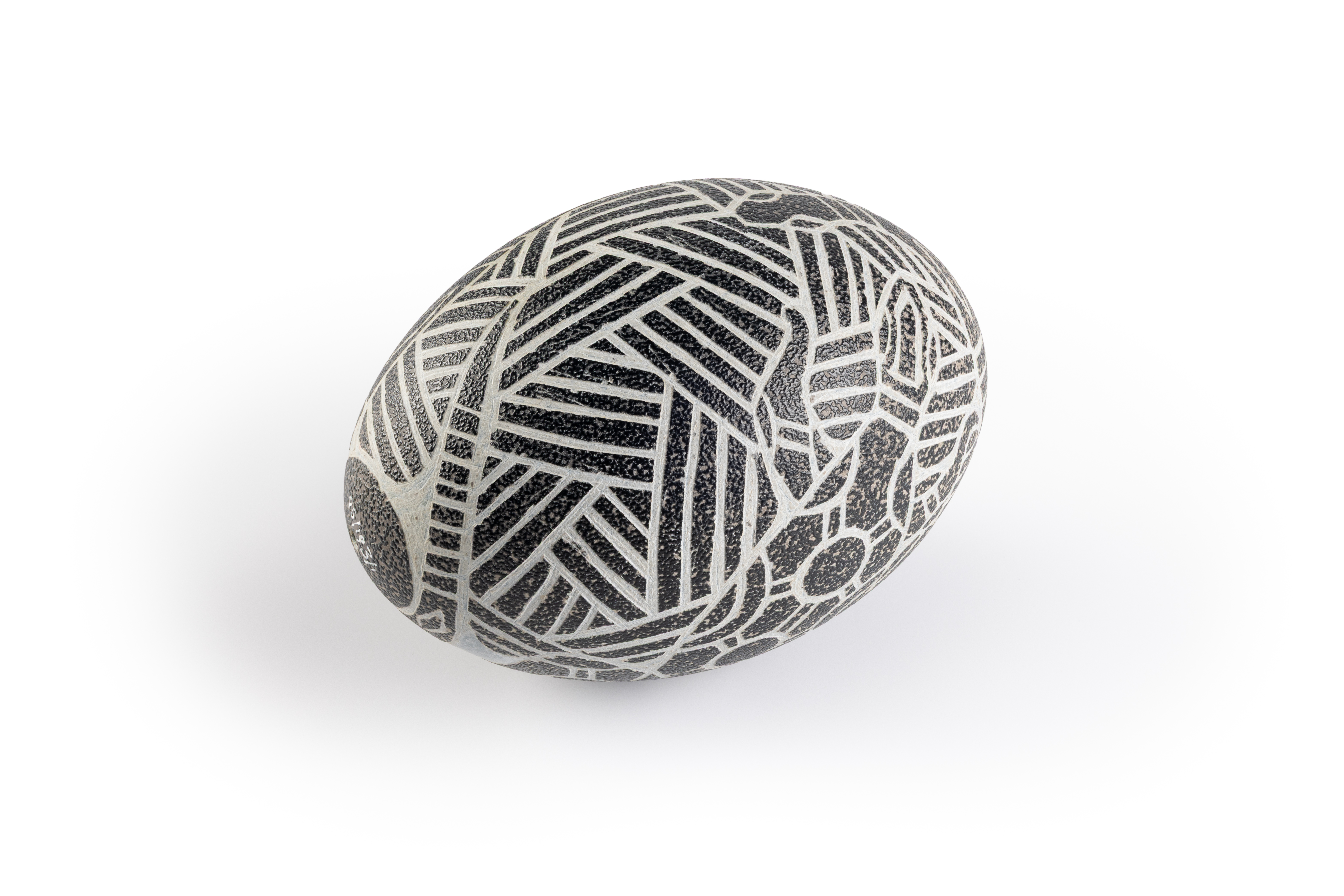
Featured objects include a carved emu egg by Kevin Duncan and paintings by Yugambeh-born Bundjalung artist Shaun Daniel Allen.
The objects carry the stories and practices of their creators.
"We're dealing with fashion, we're dealing with emu eggs, we're dealing with totem poles and we're dealing with a lot of different materials," Mr Casey-Buttié said.
"They're expressions of their stories and their ideologies - how they worked with it, how they came about with it, how they built it and how they told it."
Mr Casey-Buttié's talks also draw on research into the archive of renowned Dharug fashion designer Robyn Caughlan.
During the internship, he examined Ms Caughlan's designs, photographs, fabrics and modelling images.
Her discovery of her Aboriginal heritage at the age of 30 was among the most significant parts of the archive.
"I think she always found that she had a connection with culture and Country," Mr Casey-Buttié said.
"Finding out that she had that ability to be with Indigenous people was a big turnover for her and solidified some of her expression.
"It made sense of what she made and what she designed."
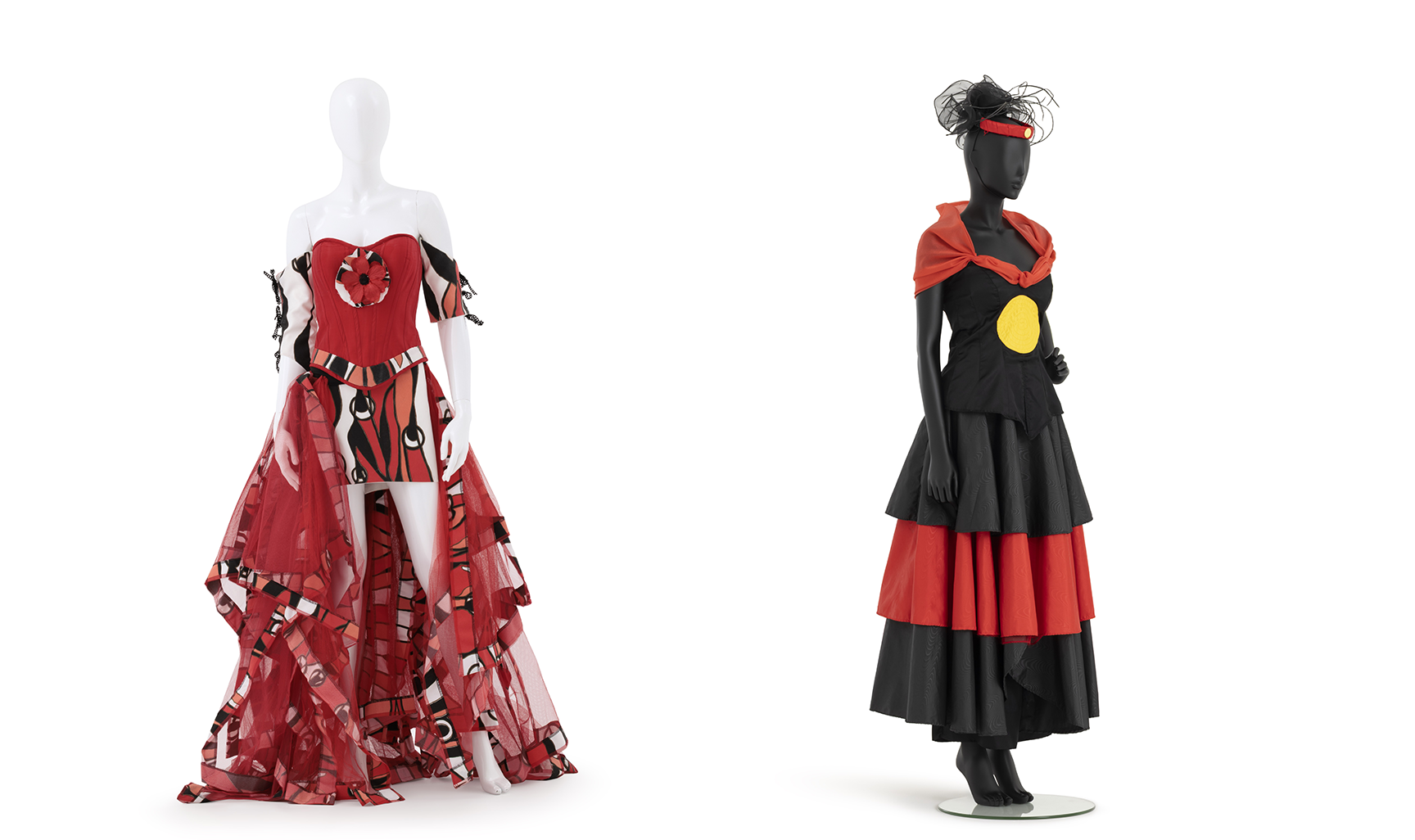
The talks feature Ms Caughlan's Fire Gown, designed for the Alice Springs Wearable Art Awards and inspired by Australian bushfires.
The stories surrounding an object could be as meaningful as the item itself.
Public talks were important because First Nations knowledge had long been expressed through objects, dance, art and oral storytelling.
Sharing the collection also offered Australians an opportunity to hear the truth of the country's history.
"It is very important, especially for Australia, that it is understood that this is Aboriginal land and there was a lot of deep cultural knowledge before anything arrived here," Mr Casey-Buttié said.
"We have a great way of storytelling, not just through tongue, but through objects, dance, stories and art.
"I think it is the authenticity and the truth in our stories."
Mr Casey-Buttié encouraged people to attend and listen to the stories behind the designers, artists and objects.
"The only way for this sort of thing to take place is to show up and listen," he said.
The Caring for Country series began at Powerhouse Castle Hill on July 9, with talks at Sydney Observatory on July 16 and Powerhouse Ultimo on July 22.



