




New and urgent investment in Indigenous-controlled health infrastructure is vital to help close the health gap for First Nations Victorians.
A new report developed by Infrastructure Victoria and the Victorian Aboriginal Community Controlled Health Organisation (VACCHO) has found that up to $150 million is needed to deliver new and upgraded facilities to replace dilapidated and unsafe buildings across the state.
Furthermore, it argues $30 million of funding is needed each year for the next five years for Aboriginal Community-Controlled Organisations (ACCOs) to repair existing infrastructure.
An assessment by VACCHO and the Department of Health found 82 per cent of ACCO health and wellbeing buildings needed replacing or substantial repairs within 15 years. The audit of 200 buildings found more than half of the infrastructure is "already at the end of its useful life", with 42 per cent of the total floor space in a "critical condition".
Last year, the ABC revealed the Dandenong and Districts Aborigine Co-operative (DDACL) had flood-damaged ceilings, cracks in the walls, and a door too unsafe to open, with the entire facility condemned two months later over an asbestos risk deemed too high.
Providing community and culturally safe care, ACCOs have been the bedrock of Indigenous wrap-around care since the 1970s, with Indigenous organisations from across the country uniting in their view the organisations are pivotal to help close the gap.
In Victoria, there are 33 ACCOs, running services out of close to 200 buildings. Victorian health and wellbeing ACCOs deliver more than 130 different programs and services to Aboriginal and Torres Strait Islander people across the state.
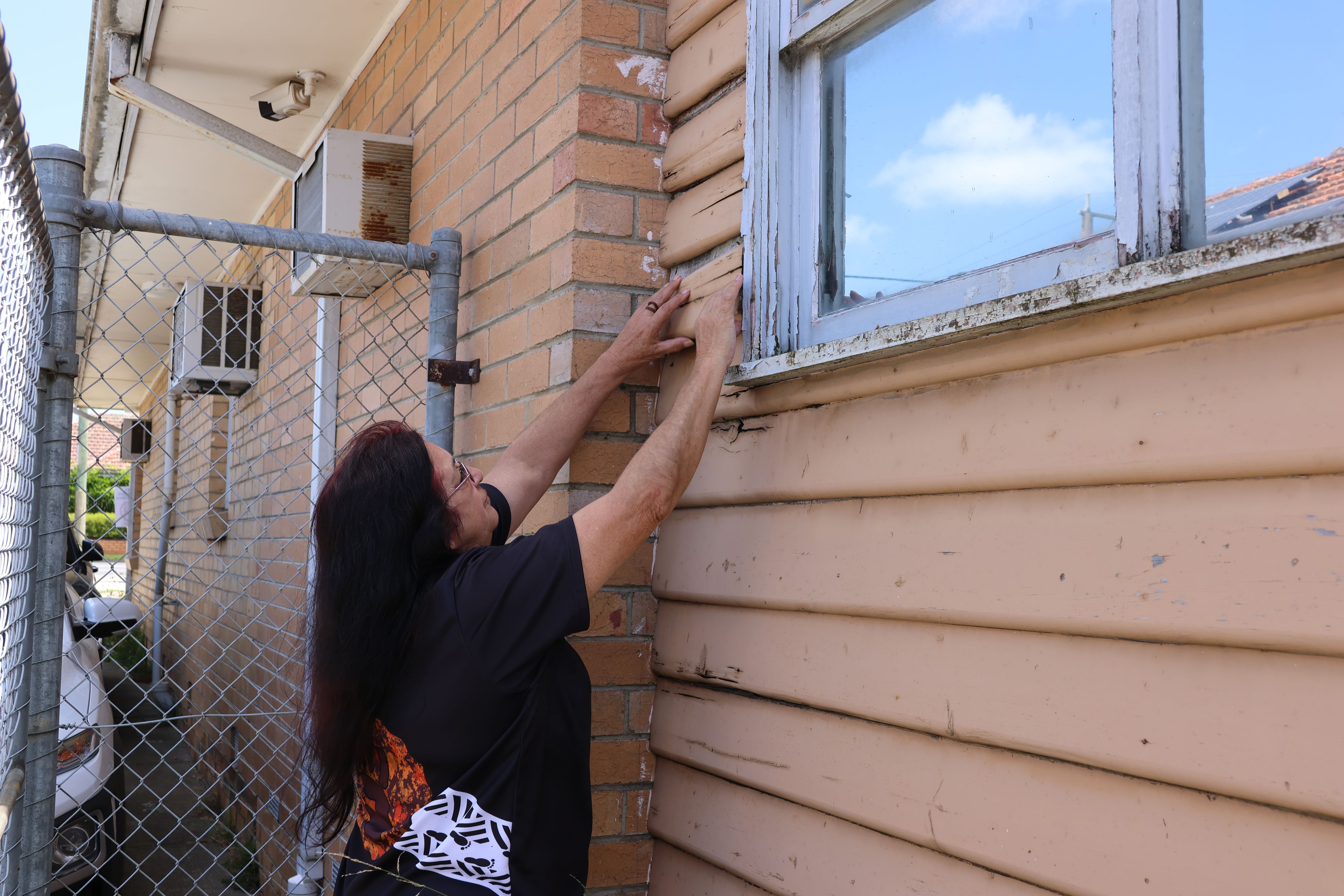
VACCHO chief executive Dr Jill Gallagher said ACCOs should be focusing on delivering quality services to First Nations people across Victoria. Better infrastructure investment would facilitate this and allow staff to stop "juggling an ever-growing list of stop-gap repairs".
"ACCOs provide a unique 'one-stop shop' that offers multiples services, such as chronic disease management and health education, wrapped with cultural care," the Gunditjmara woman said.
Studies found health programs run by ACCOs had a 50 per cent greater positive impact on the health of Indigenous people compared to the same programs run by non-Indigenous providers; 96 per cent of First Nations people adhere to treatment plans facilitated by ACCOs.
"Our model of care delivers better results for our communities because its run by and for our communities," Dr Gallagher said.
"But most of our funding supports service delivery, not infrastructure. This creates an overwhelming administration and maintenance burden for our ACCOs."
Last year, the Productivity Commission's review of Closing the Gap argued that ACCOs needed to be at the negotiation table from the beginning to allow government funding decisions to consider their "expertise and knowledges on how best to meet Community priorities, solve identified problems, and measure success".
Infrastructure Victoria Chief Executive Dr Jonathan Spear said: "By placing Aboriginal health in Aboriginal hands, informed by Aboriginal philosophies and cultures of care, ACCOs deliver the best outcomes for Aboriginal Victorians."
He argues many Victorian health and well-being ACCOs currently operate in 'hand-me down' buildings, not designed for their current use.
"In some cases, this poses clear risks to ACCO staff and clients. There are also clinicians who have to work in a storeroom and staff who need to wear coats and hats inside because their buildings are unsuitable," Dr Spear said.
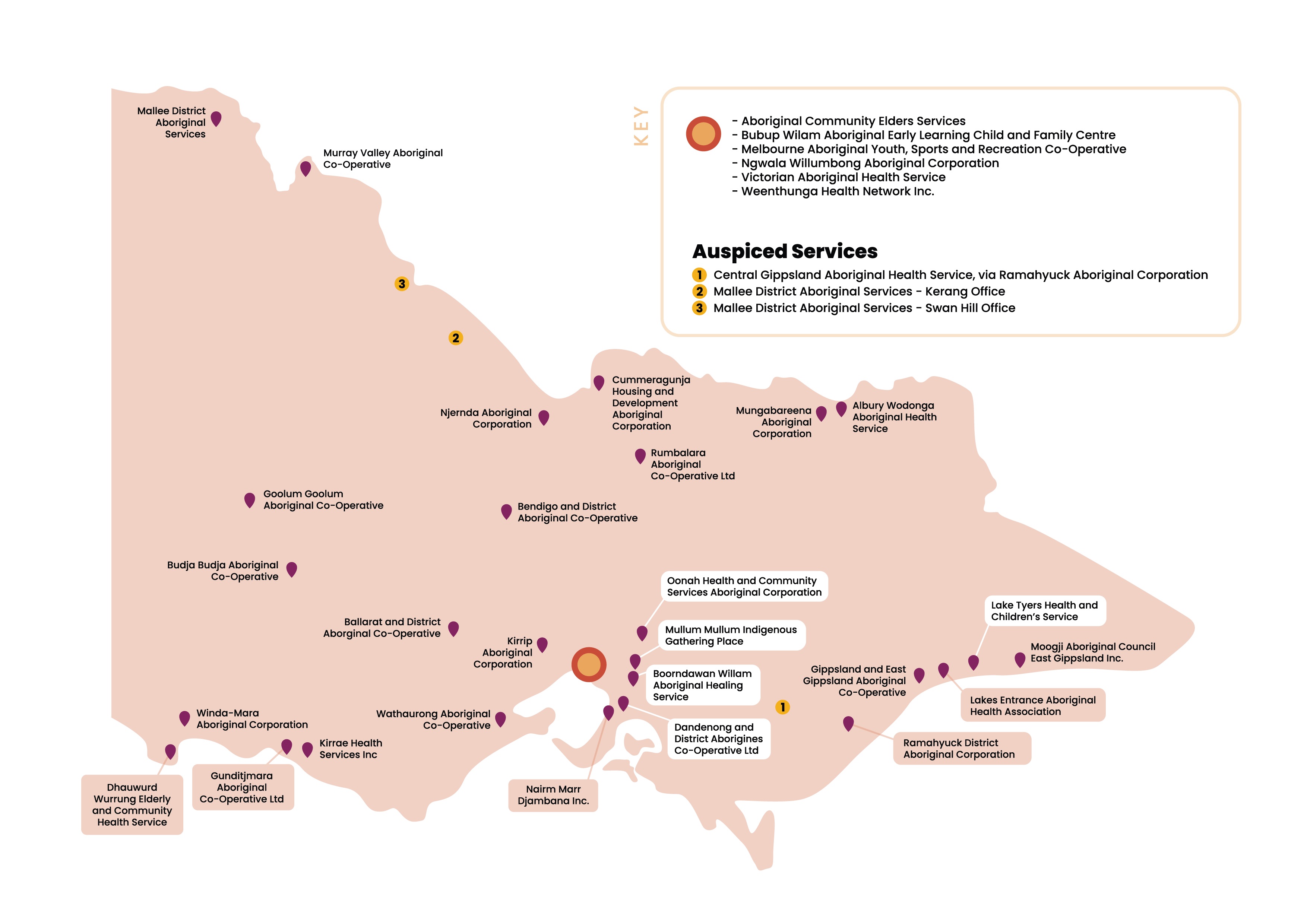
Dr Gallagher said ACCOs could collectively save $3 million a year through energy upgrades, pointing to a recent audit.
"The money saved can be used for services to support our communities," she said.
The report found small funding grants, whilst useful for "maintenance, repairs, and small upgrades, can't fund "major refurbishments, upgrades or construction of new facilities". Furthermore, they are "oversubscribed," with ACCOs made to compete with each other for the grants.
"This means ACCOs must complete laborious paperwork for uncertain funding. Some ACCOs do not apply for these grants because they find the process so expensive and unpredictable," the report said, arguing the funding processes don't support self-determination.
Appearing at the Yoorrook Justice Commission last year, state Health Minister Mary-Anne Thomas said: "While ACCOs are eligible for funding through the Metropolitan Infrastructure Health Fund, I acknowledge that to date they have not received adequate infrastructure funding, and in some cases, this impacts their ability to deliver their critical services and supports to Community."
The report recommends that the state government act immediately to fund urgent repairs and minor works to make the buildings safe and operational. It notes that many of the issues come from underfunding, with the many ACCO health and wellbeing buildings expensive and inefficient to operate.



