


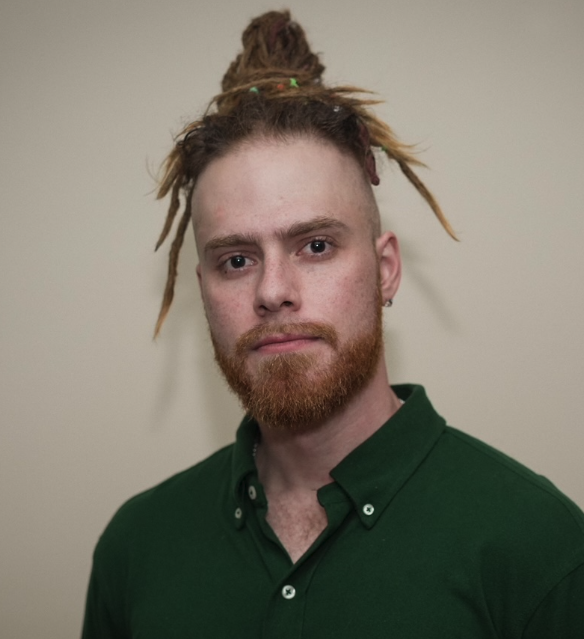

RMIT's Ngarara Willim Centre has marked 30 years of supporting Aboriginal and Torres Strait Islander students across the University.
Ngarara Willim means "gathering place" and "home" in the Woi wurrung and Boon Wurrung languages of the Kulin Nation.
Deadly Alumni, students, Elders, community members and current and former staff gathered at Storey Hall on 4 September to celebrate the milestone.
The evening opened with a Welcome to Country and dance by Djirri Djirri and included music, stories and reflections from people connected with the Centre.
The Indigenous-led Centre provides academic, cultural, wellbeing and careers programs and services to Aboriginal and Torres Strait Islander students across RMIT's vocational and higher education programs.
It also delivers outreach and access programs for prospective Indigenous students and communities, while centres at RMIT's City, Brunswick and Bundoora campuses provide places for students to study, seek support and connect.
Yui and Australian South Sea Islander man and RMIT Pro Vice-Chancellor Indigenous Education, Research and Engagement Professor Gary Thomas said the anniversary recognised the Centre's history while looking towards its future.
"While we celebrate the achievements of students and staff of the Ngarara Willim Centre over the past thirty years we also look forward to their continued success," Professor Thomas said.
"The future for Ngarara Willim is bright as it continues to be both a gathering place and home for generations of students to come.
"Ngarara Willim Centre will be a beacon sharing Aboriginal and Torres Strait Islander peoples' stories, cultures and excellence."
Almost 1,600 Aboriginal and Torres Strait Islander graduates are now part of RMIT's Deadly Alumni community, with a further 100 Indigenous students expected to graduate in 2026.
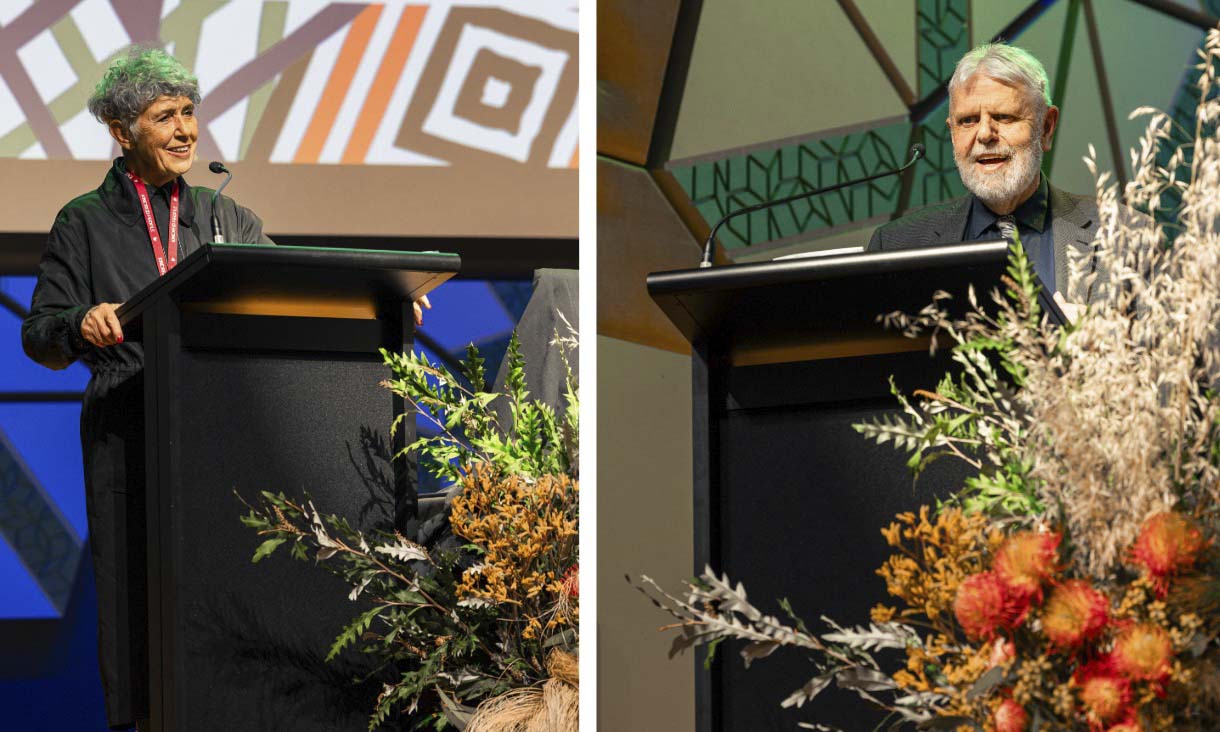
Several graduates and long-standing members of the RMIT community took part in the anniversary celebration.
Distinguished Professor Uncle Mark Rose AM, one of RMIT's first Indigenous PhD graduates, reflected on the Centre's early years.
Uncle Mark was appointed First Nations Commissioner of the Australian Tertiary Education Commission in August.
Boon Wurrung Senior Elder and Deadly Alumna Professor N'arwee't Carolyn Briggs AM also spoke at the celebration.
Professor Briggs graduated from RMIT alongside her daughter and granddaughter in 2020, bringing three generations of the family together at graduation.
RMIT graduate Jedda Atkinson-Costa, an elected member of the First Peoples' Assembly of Victoria, hosted the anniversary celebration.
Trawlwoolway and Wiradjuri musician and RMIT graduate CANISHA also performed.
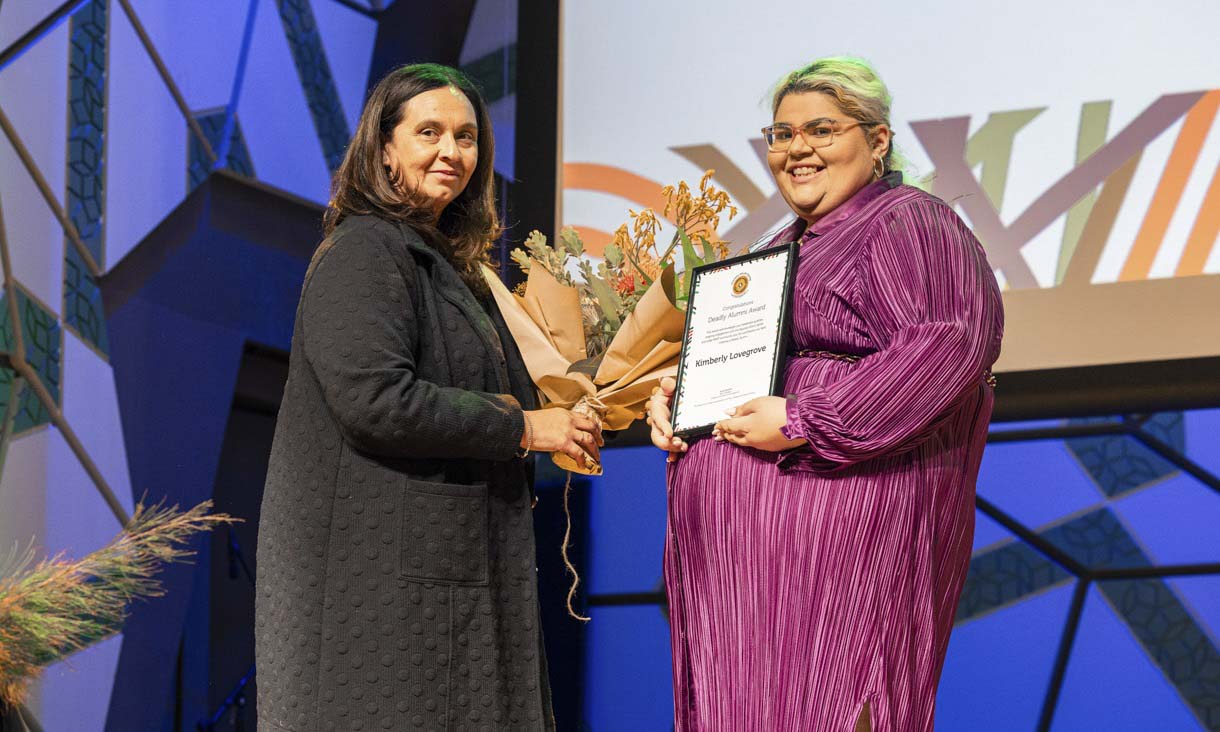
Ngarrindjeri woman Kimberly Lovegrove was named the inaugural recipient of RMIT's Deadly Alumni Award for her ongoing connection to RMIT and Ngarara Willim and her contributions to community.
The Centre traces its history to RMIT introducing a special entry scheme for Aboriginal applicants in 1980, followed by the establishment of a Koorie Education Working Party and dedicated Koorie education staff in the early 1990s.
The Koorie Education Unit opened in 1996 before the Ngarara Willim Centre for Aboriginal and Torres Strait Islander Peoples was formally named in 2008.
Ngarara Willim Centres opened at Brunswick and Bundoora campuses in 2017, the same year the Deadly Alumni program was formalised.
RMIT developed its first Indigenous Student Success Strategy in 2024.
RMIT Vice-Chancellor and President Professor Alec Cameron said the anniversary recognised three decades of Indigenous leadership, care, advocacy and opportunity.
"Success is bigger than gaining a qualification. It means thriving at university while staying strong in culture and identity," Professor Cameron said.
Aboriginal and Torres Strait Islander students brought knowledge, talent, leadership and aspirations that strengthened RMIT and contributed to their professions, families, communities and Country.
Ngarara Willim has also worked with Elders, Aboriginal and Torres Strait Islander communities and organisations throughout its history.
Since 2002, RMIT has delivered more than 25 community programs with Aboriginal community organisations in Victoria and the Northern Territory, providing education and training to more than 200 community members.



