




An investigation into the Northern Territory's child protection system in the lead-up to the death of Kumanjayi Little Baby will be led by a former police commissioner who previously argued making officers responsible for Closing the Gap targets would create "competing duties".
Five-year-old Kumanjayi Little Baby disappeared from the Old Timers Town Camp outside Mparntwe / Alice Springs on April 25, with her body found five days later. Forty-seven-year-old Jefferson Lewis — who is not related to Kumanjayi Little Baby and had no role in her care — has been charged with her murder and two other offences.
Earlier this month, NT Child Protection Minister Robyn Cahill said three child protection workers had been stood down after concerns were raised about circumstances in the weeks leading up to Kumanjayi Little Baby's disappearance and death.
It has been reported there were six notifications regarding Kumanjayi Little Baby's welfare, although there is no evidence any of those notifications were substantiated.
Two of the workers were reportedly reinstated the following day.
View this post on Instagram
Former police commissioner to lead inquiry
On Wednesday, Ms Cahill announced former NSW Police Commissioner Karen Webb and senior NT public servant Greg Shanahan would lead an investigation into the Department of Children and Families.
She said the three-month inquiry would examine whether current legislation may have "created an environment where we haven't been progressing [child protection] investigations in the way the community would expect".
The decision to appoint Ms Webb — who retired as NSW Police Commissioner in June last year — is controversial due to previous comments she has made regarding Aboriginal communities and policing.
In 2023, she faced criticism over her response to a Law Enforcement Conduct Commission (LECC) report calling for stronger efforts to reduce the overrepresentation of First Nations people in the justice system.
Ms Webb told the review making police officers responsible for addressing Closing the Gap targets would lead to "competing duties".
Her correspondence stated the "primary role of the NSW Police Force is law enforcement, and the suggestion that it is responsible for achieving Closing the Gap targets to reduce over-representation would 'lead to competing duties'."
The report stated NSW Police "appears to see traditional policing work as separate from the need to collaborate with Aboriginal organisations on community-driven solutions to addressing the chronic social disadvantage that drives much offending".
The LECC argued the commissioner's views "may explain the contrast" between NSW Police's stated commitment to improving relationships with First Nations communities and "the evidence of Aboriginal over-representation in NSW Police Force policing interactions".
One human rights lawyer told National Indigenous Times at the time it was an "outrageous statement" to suggest Closing the Gap competed with police responsibilities.
"What is the objective that it competes with?" they said. "One of the main recommendations of the 1991 Royal Commission into Aboriginal Deaths in Custody was for police to stop criminalising people."
'Racist' government
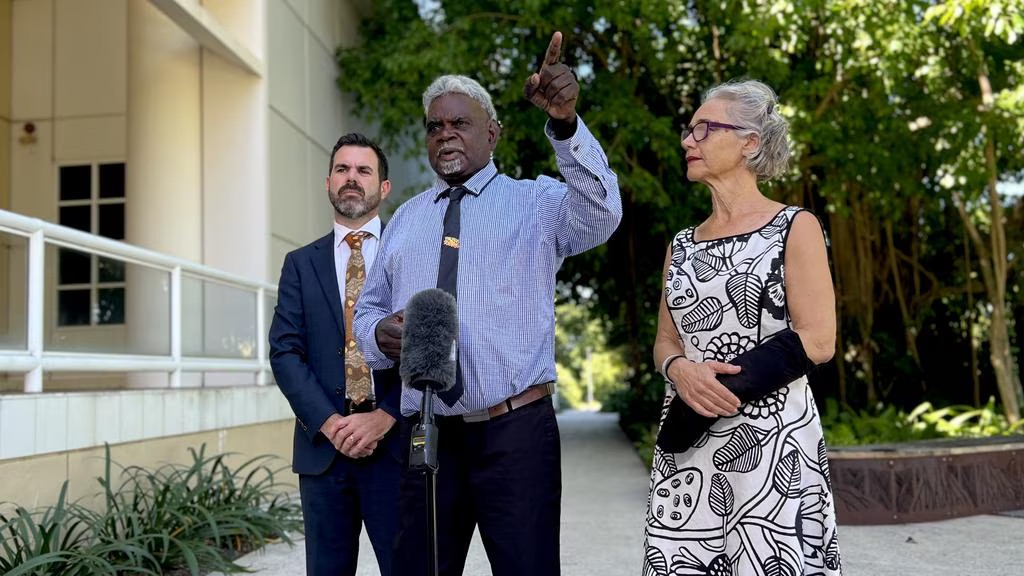
Ms Cahill's announcement came amid the Finocchiaro government's broader changes to child protection laws and the Aboriginal and Torres Strait Islander Child Placement Principle (ATSICPP), reforms which have been heavily criticised by lawyers, experts and Aboriginal organisations.
Speaking to National Indigenous Times on Wednesday, Senator Lidia Thorpe — whose mother played a key role in the 1997 Bringing Them Home report — condemned Ms Webb's appointment.
"I have no faith in the Northern Territory government — they are racist," she said. "The fact they have put cop Karen in charge of an inquiry says it all...it's absolutely disgraceful."
The reforms themselves have also been widely criticised, with Ms Cahill accused of misunderstanding the legislation she oversees while disregarding Aboriginal perspectives.
"Earlier public commentary by the Minister repeatedly suggested that the ATSICPP somehow competes with the safety and well-being of children," a coalition of eight legal and family violence prevention services said last week.
"That proposition is legally incorrect...The Act already makes the best interests of the child the paramount consideration in every child protection decision."
Mulka MLA and Yolŋu Elder, Yiŋiya Guyula, said the government was once again telling Aboriginal people: "We know what's best for you".
"They have decided that our culture, our language, and our land are not important for our children," he said.
"Why are our children being penalised by this Government with the trauma of losing their culture and connection? We have already seen from the Stolen Generation the deep pain of being removed and forced to assimilate."



