



Healthcare professionals have rallied in response to February's Closing the Gap report that highlighted significant target shortfalls related to institutional racism across the medical sector.
The Productivity Commission's February report brought to light the urgent need for health reform, with the inequity gap described as a "chasm".
The Australian Indigenous Doctors' Association has since expanded its cultural safety program for medical professionals to provide culturally-appropriate care, with great success.
AIDA's series of workshops include online cultural awareness courses and face-to-face cultural safety training, with 21 workshops already locked in this year with various organisations eager to drive change and help close the gap.
Each workshop was developed and is led by Indigenous doctors, and enhances AIDA's commitment to weave cultural safety principles into every aspect of medical education and clinical practice.
Individual workshops will soon be held across Australia's major cities too, enabling medical professionals and students to be armed with the tools and insights required to champion cultural safety in their own spheres of influence.
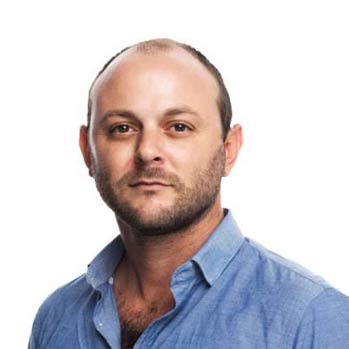
Indigenous medical student and recent participant Zamri Burns said the workshops fostered cultural competence and safety for attendees and provided her with new and practical lessons to implement in clinical practice.
"The workshop's content was a treasure trove of knowledge, providing us with an extensive toolkit for practising clinical care with cultural awareness as a core component," he told the National Indigenous Times.
"They also delve into the complexities of cultural and social determinants of health within Indigenous communities, shedding light on the unique challenges we face.
"It was a really transformative experience, building cultural competence and safety and empowering me to be more effective, empathetic and culturally-aware as a healthcare provider."
AIDA in February commended the Productivity Commission's Closing the Gap report for reinforcing urgent need for action across the healthcare sector, and for the government to share power with the Aboriginal Community Controlled sector to embed accountability and drive positive change.
Chief executive Donna Burns said, as the peak body representing the First Nations medical workforce, AIDA would continue to deliver unique and evolving medico-cultural perspectives to create change across the industry, with First Nations doctors and medical facilitators the heartbeat and faces of the program.
"AIDA has spent 26 years advocating for meaningful and culturally safe practices in healthcare," she said.
"We continue to dedicate our purpose to working with health organisations and partners to improve health outcomes for First Nations people, with the knowledge an Indigenous medical workforce is fundamental to this."
Royal Australasian College of Physicians Professional Practice executive general manager Dr Louise Rigby said AIDA's cultural safety course was critical to improving equitable health outcomes for First Nations communities.
"The knowledge and practice also benefits us all, as it acknowledges diversity in our families, neighbourhoods, and society," she told National Indigenous Times.
"The workshops are an excellent step for any health practitioner, but particularly doctors and specialist doctors.
"They provide a good balance between providing information, to understanding the enduring impacts of colonisation, as well as group discussions on issues such as racism in healthcare or how power can impact decision making.
"The best part was the discussion on case studies; it really highlights why this work is important and why we need to keep a focus on cultural safety."
More information on AIDA's cultural safety program and individual workshops is online.



