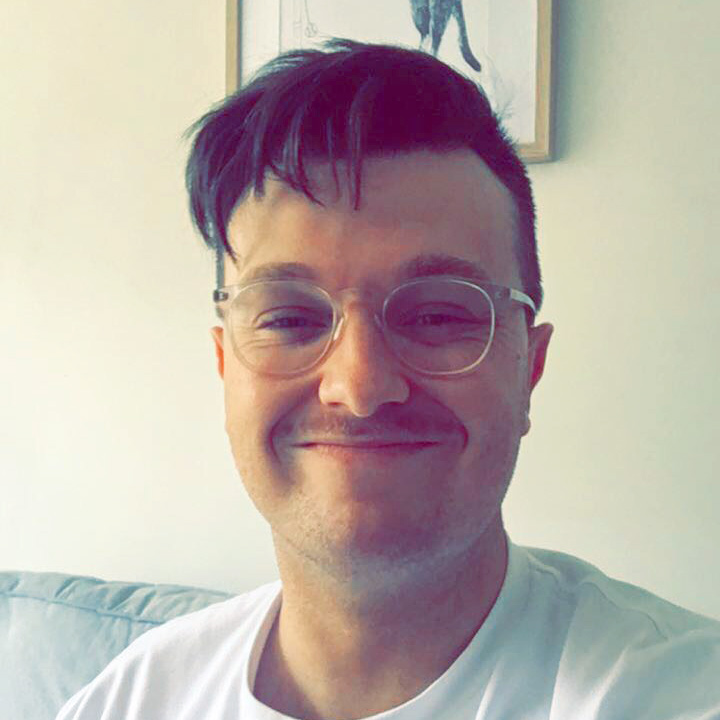

Respected Northern Territory community leader Dr John Paterson will become Chair of The Healing Foundation from next month, guiding the organisation's next chapter of advocacy, healing and action for Stolen Generations survivors, their families and communities.
Dr Paterson, a leading advocate for Aboriginal health and social change in the Northern Territory for more than 40 years, is the long-time former CEO of the Aboriginal Medical Services Alliance NT. He will serve alongside incoming Deputy Chair Kristy Masella.
Their appointments follow the completion of the board tenures of outgoing Chair Professor Steve Larkin and Deputy Chair Leann Wilson, who helped strengthen the national movement for healing, truth-telling and justice for survivors.
"This work is important to me because survivors and their descendants need the appropriate support and assistance from governments," Dr Paterson said.
"I would like to thank Professor Larkin for his tireless leadership, commitment and passion over the last decade and wish him well for the future."
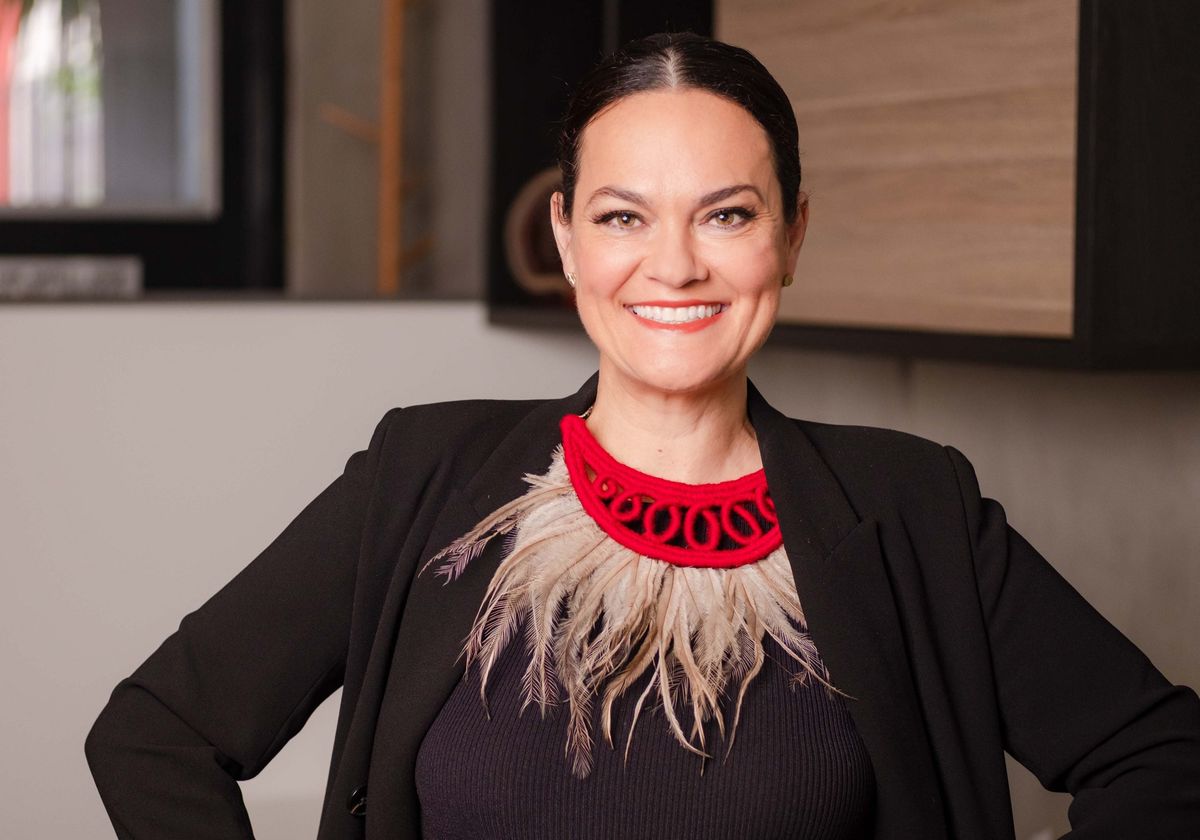
Ms Masella brings decades of leadership experience across employment, training and community development, including as managing director of Aboriginal Employment Strategy.
"Behind every policy, report and recommendation are people and families. For me, this role is about service — bringing my experience, energy and leadership to work that matters enormously to our people," she said.
During his decade as Chair, Professor Larkin helped advance national discussions on healing and justice for Stolen Generations survivors.
The Healing Foundation said key achievements during his tenure included reforms such as the Northern Territory Stolen Generations Redress Scheme, the Make Healing Happen campaign and the Are you waiting for us to die? report, which renewed national attention on implementing the Bringing them home recommendations.
"Although my time as Chair is coming to an end, I will always stand behind The Healing Foundation. I have great confidence in the next phase of leadership and welcome the incoming Board Chair and Deputy Chair," Professor Larkin said.
"I'm proud that we have been able to achieve tangible and meaningful changes for survivors across Australia to support their healing."
View this post on Instagram
The organisation said the leadership transition reflected its continued commitment to turning the report's recommendations into action through its roadmap, From Sorry to Action: A plan to act on Bringing them home (2026-2028), and advancing lasting outcomes for Stolen Generations survivors, their families and communities.
The appointments come as The Healing Foundation approaches the 30th anniversary of the Bringing them home report, which made recommendations to address the experiences and ongoing impacts of the forced removal of Aboriginal and Torres Strait Islander children from their families.
Most of the report's recommendations have not been implemented, with survivors and their descendants continuing to experience poorer health, wellbeing and financial outcomes than other Indigenous Australians.
Compared with other Indigenous Australians, survivors are 2.7 times as likely to have a severe or profound disability, 1.7 times as likely to have been admitted to hospital in the previous year, 1.9 times as likely to report high psychological distress and 1.6 times as likely to have a mental or behavioural condition.
Released in 1997, the 680-page Bringing them home report examined the laws and policies which led to the forced removal of Aboriginal children. It found between one in three and one in 10 Indigenous children were taken from their families and communities between 1910 and 1970.
The report made 83 recommendations aimed at supporting healing and reconciliation for the Stolen Generations, their families and the broader Australian community.
Twenty-nine years after the landmark inquiry, only five recommendations have been fully implemented.