



"My daughter wasn't protected."
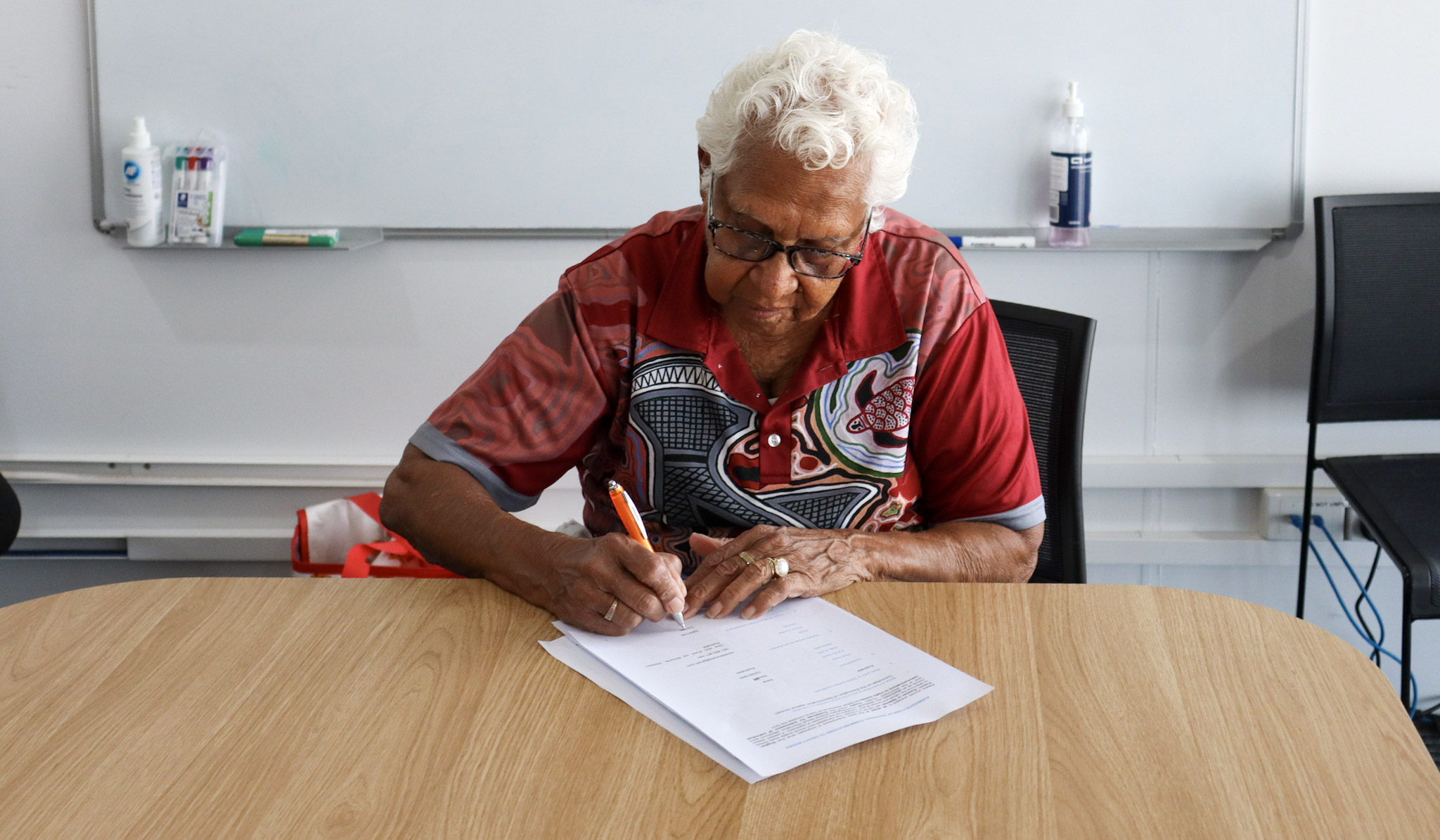
That is how Kimberley mother Irene Davey describes the failure of Australian authorities — a failure she is now taking to the United Nations.
But her fight for justice is not limited to her daughter's case. Ms Davey believes the man last seen with Sara-Lee went on to kill two other Indigenous women.
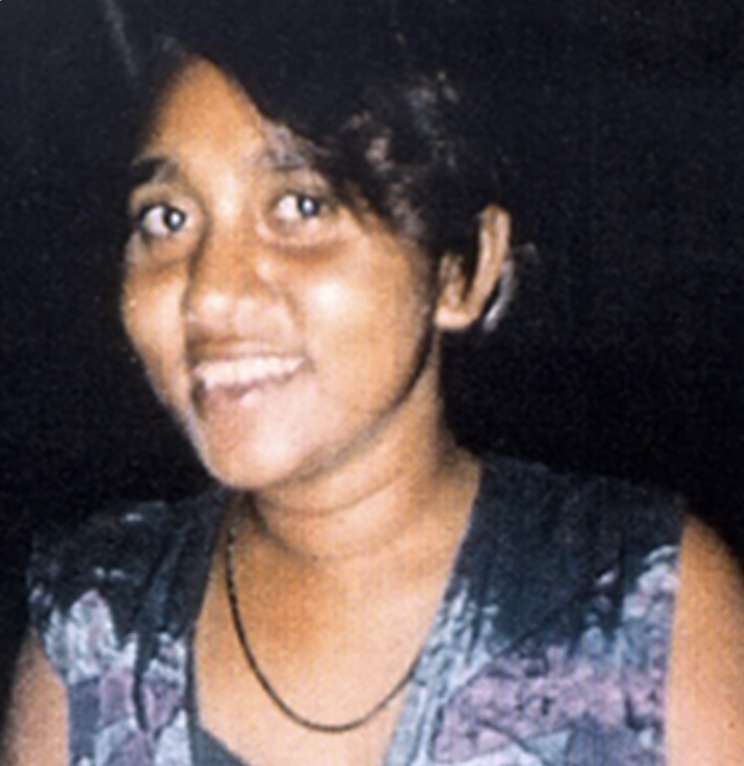
On a humid January night in 1997, 21-year-old Sara-Lee Davey, from the Bardi community of One Arm Point, about 220 kilometres north of Broome, went out with friends to a local nightclub. She was full of life — visiting town briefly while her parents were in Karratha.
That night she met 19-year-old sailor Richard Dorrough, on shore leave from the Royal Australian Navy vessel HMAS Geelong
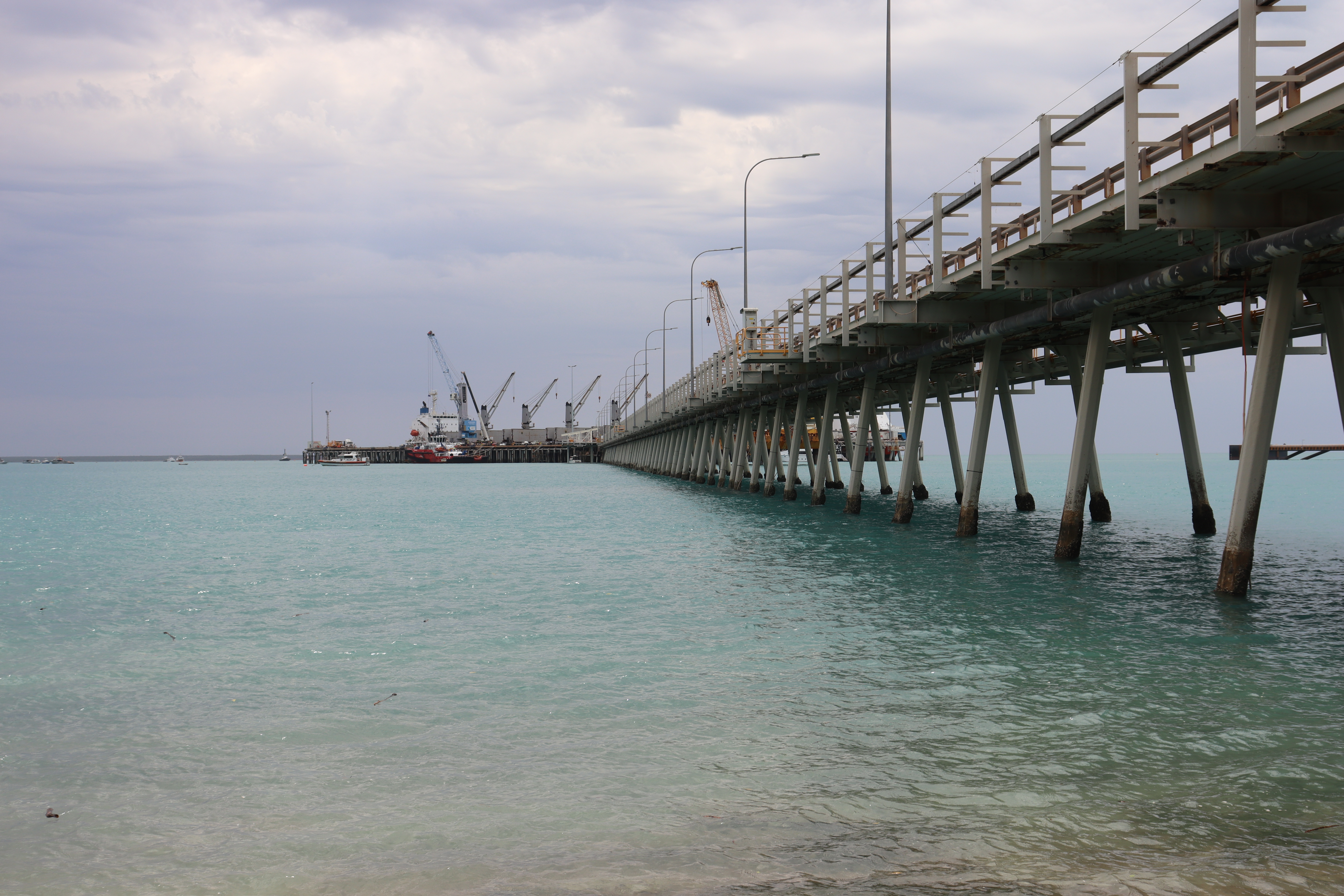
Later, witnesses saw Dorrough take Sara-Lee by taxi to the Broome wharf. The pair were seen walking together toward the jetty, disappearing behind a shed near the edge of the pier.
Not long after two local fishermen heard a woman scream, then the sound of a splash.
When Dorrough returned alone to his ship, crewmates noticed fresh scratches on his face.
No one on board questioned him. No one called police.
Three days later, when Ms Davey returned home to Broome, her daughter was missing.
She reported Sara-Lee's disappearance, but police told her to come back in 24 hours — an account she has repeated publicly for years.
For days she visited the station each morning, pleading for help.
According to the complaint now before the United Nations Committee on the Elimination of Discrimination Against Women, homicide detectives were not flown in from Perth until nine days later.
Such delays, Ms Davey says, speak to a broader pattern of complacency in how missing Aboriginal women are treated.
A 2018 review of service-system responses to violence against Aboriginal and Torres Strait Islander women, commissioned by the Australian Human Rights Commission for its Wiyi Yani U Thangani (Women's Voices) project, found that agencies often relied on racist stereotypes — including assumptions that missing women had "gone walkabout" — instead of treating them as victims at risk.
The review also found that services were rarely held accountable for their failures.
By the time homicide investigators arrived, HMAS Geelong had sailed.
"He was already away sailing," Ms Davey says. "He was being protected. My daughter wasn't."
Police never told the family that a taxi driver had reported seeing Sara-Lee with Dorrough that night.
And though he was the last person seen with her, Dorrough was not interviewed until April 1997, about three months later.
When questioned, he said he was unwell, and the interview ended inconclusively.
The coroner later noted it would have been possible to obtain a search warrant for Dorrough's cabin to seize clothing — one of several investigative steps not taken at the time.
No charges were ever laid.
Sara-Lee's body was never found.
A WA Police spokesperson said the case remains an open investigation:
"A comprehensive investigative review was conducted by the Major Crime Division in October 2015, which informed a 2016 Coronial Inquest. Given the ongoing nature of the investigation, it would be inappropriate for the Western Australia Police Force to provide any further comment."
The 2016 coronial inquest found that Dorrough's performance in the Navy had deteriorated before Sara-Lee's disappearance, marked by substance use, erratic behaviour and psychological concerns.
He was later deemed unfit for sea duty and referred for assessment, where a psychologist described traits "in the psychotic direction" and a high level of amorality.
"The Navy knew he had a problem, and they did nothing," Ms Davey said.
The National Indigenous Times contacted the Department of Defence for comment but did not receive a response before publication.
The coroner concluded it was likely Sara-Lee Davey died that night, but said the evidence was insufficient to determine whether Dorrough deliberately killed her.
The inquest did not find police guilty of wrongdoing in their investigation.
Two years before the coronial inquest in 2014, Dorrough had taken his own life at a Perth shooting range, leaving a note that read simply: "I did kill three times."
Ms Davey believes that if police and the Navy had acted without racial bias, Dorrough might have been held accountable earlier.
"I spoke to the mother of the second victim," Ms Davey says
"We talked, but you could see the strain behind her eyes. She said her daughter was such a lovely person."
In November 1998, 29-year-old Rachael Campbell, a Māori woman and single mother living in Sydney, was reported missing.
The next morning, her body was found inside St Joseph's Church in Rosebery, wrapped in a sheet.
At the time, no suspect was identified.
The case went cold until a decade later, when DNA from the scene matched Dorrough through Australia's new national database.
He was arrested in Perth in 2009 and extradited to Sydney. Dorrough admitted to having sex with Rachael but denied killing her.
Under NSW law, jurors could not be told he had previously been questioned over Sara-Lee Davey's disappearance in Broome.
In 2010, Dorrough was acquitted of murder.
The case remains closed.
In May 1996, months before Sara-Lee vanished, Paula Brown — a 27-year-old Sydney hairdresser — disappeared after a night out on Oxford Street.
Two weeks later, her body was found at Port Botany, partially decomposed.
At the time, Dorrough was serving in the Royal Australian Navy, stationed in Sydney.
Paula's salon was located across the road from a pub popular with Navy sailors, including crew from Dorrough's vessel.
Police have never charged Dorrough with any crime in relation to Paula Brown's death, which remains unsolved.
The pattern — three First Nations women, all connected in some way to Dorrough and to institutions that failed them — is what drew human rights lawyer and femicide expert Dr Hannah McGlade to take the case further.
Dr McGlade, a proud Bibbulmun Noongar woman and UN human rights lawyer, says the evidence surrounding Paula Brown's case was circumstantial but persuasive; part of a wider story of neglect and discrimination that stretches far beyond one man.
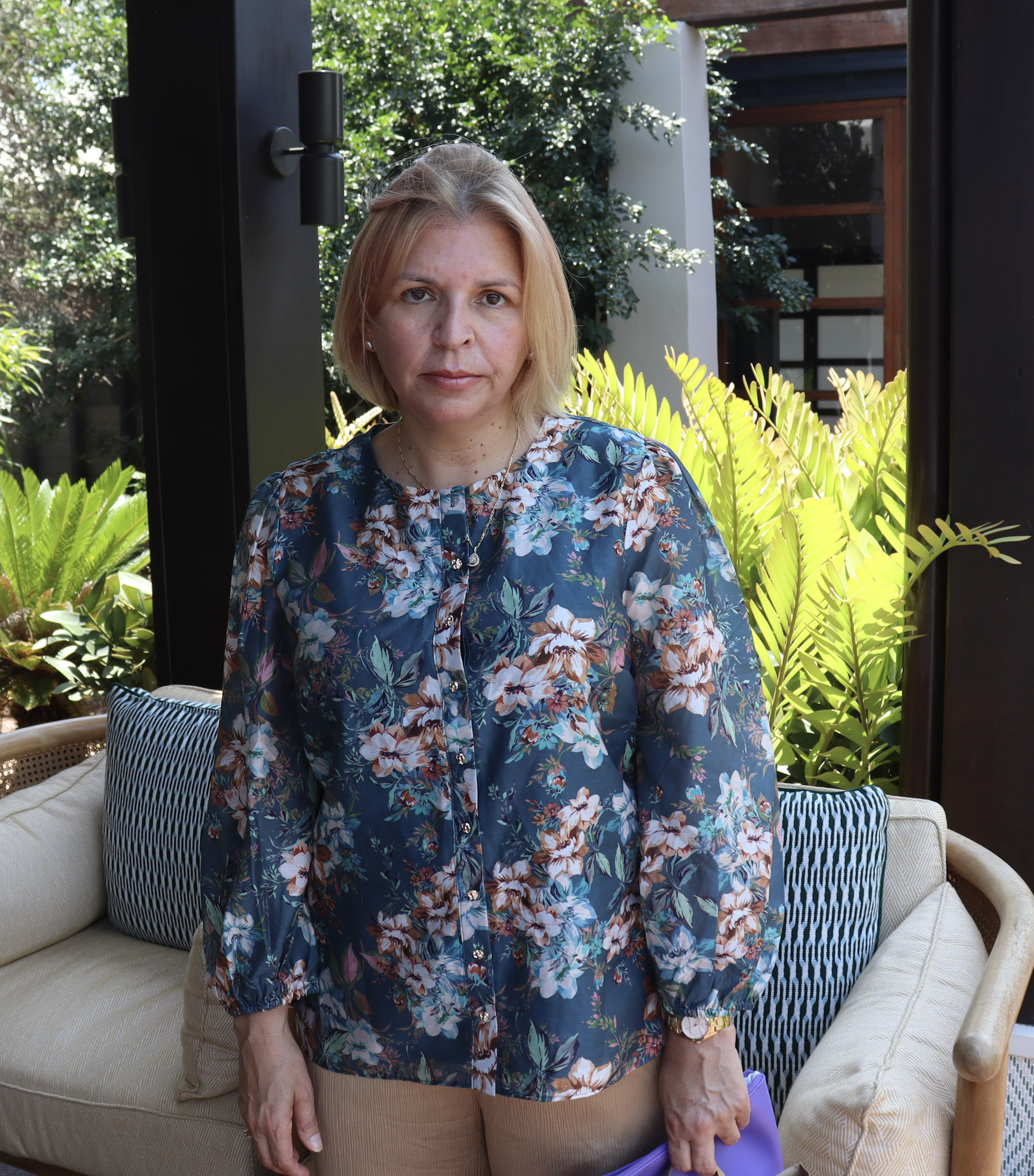
It is this pattern that now forms part of the Seven Sisters Project, led by Dr McGlade, which is bringing seven cases involving missing, murdered and incarcerated Indigenous Australian women before the United Nations.
"The Seven Sisters Project is supporting the Aboriginal families of murdered, missing and incarcerated Indigenous women," Dr McGlade said.
"In all seven cases before the UN Committee — which oversees the convention prohibiting discrimination against women — we see a pattern of systemic discrimination violating the UN treaty."
"Discrimination by the legal system, the media and neglect by the state are evident."
"This is about justice for women and families, and addressing the discriminatory, abusive treatment of Aboriginal women who not only suffer from violence, murder and incarceration but from a lack of justice that compounds trauma and inequality."
Dr McGlade says the project is about more than justice for individual women — it is about confronting the collective damage caused when police and institutions fail to treat missing Aboriginal women with the same seriousness as non-Aboriginal people.
Ms Davey remains determined to challenge the institutions that failed her daughter.
"All I want is justice — not only for my daughter, but for all women," she said.
To the Bardi Elder, womanhood is sacred; a gift that demands reverence, not violence.
"Women give life," she says. "We are the ones who give birth — to men and women — and we should be held high."



